Saudi delivery drivers bake in 'deadly' summer heat / Photo: © AFP

 EU calls Russia 'reckless' after flares fired at Danish helicopter

 US Treasury chief says to meet Chinese counterpart at weekend
 Trump slams 'horrible' Supreme Court mail-in ballot ruling

 Brazil's crisis-hit Supreme Court probes judge's ties to jailed banker
 Sterling admits dangerous driving after Lamborghini crash

 Ambassador to Thailand plays down anti-Israeli protests
 BingX Evolves into a Multi-Asset Trading Platform, Connecting Users to Global Opportunities

 Flick supporting 'self-confident' Yamal Ballon d'Or bid

 As Ballon d'Or vote nears, stars campaign for the award

 Markets on edge as US Fed meets to tackle high inflation

 International Trading Institute Expands Professional Trader Development Beyond the Master’s in Trading

 Nairobi to host 2029 world athletics championships in African first

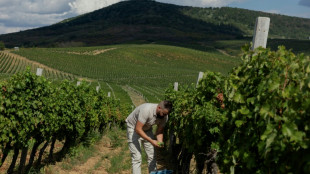 Ukraine winemakers defy war to make a splash at home
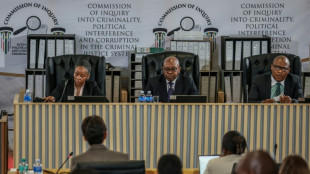
 Prominent Greek neo-Nazi exits prison, vows return to politics: AFP
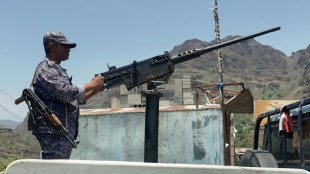 Saudi Arabia vows to respond 'firmly' to Houthi attacks

 'We unleashed the beast': the world's fears and hopes about AI
 Carragher sees Manchester City’s winning start as challenge to Arsenal
 Oasis fans weigh ticket costs and reunion memories ahead of 2027 tour

 EastEnders previews Kat’s grief after Zoe’s death

 US military confirms Iran war has led to munitions shortfall

 SkySail Strategies Outperforms Wall Street's 30-Year Risk Standard With Proprietary AI Inference Model

 Canada ends refugee family sponsorship exemption over integrity concerns
 Berlin's run-down public spaces at heart of election campaign

 Ribeiro and Richie among celebrity birthdays for September 20–26

 Bob Mackie, costume designer for Cher and Madonna, dies aged 87
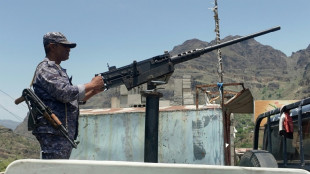
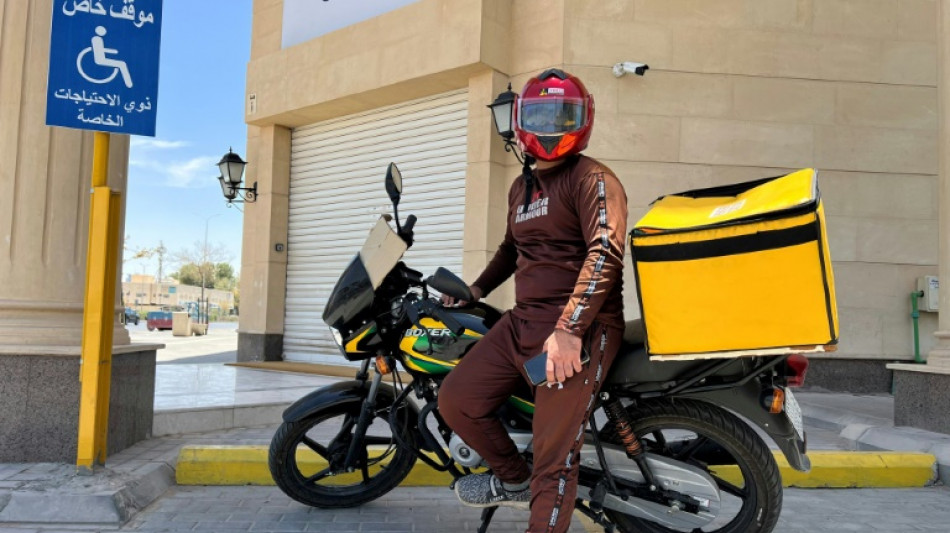
Sheltering under a palm tree in Saudi Arabia's capital, a Pakistani delivery driver stole a quick break during the lunch rush when orders -- and scorching temperatures -- are at their peak.
Gulping a bottle of cold water as the mercury neared 50 degrees Celsius (122 degrees Fahrenheit), the motorcycle driver said he was well aware the Gulf kingdom's harsh summer heat could be fatal.
Yet only by pushing through and filling the daily blitz of food orders will he earn enough money to send something back home, his main reason for coming to Saudi Arabia in the first place.
"The heat is intense and the sun is deadly. I always feel tired and exhausted," the 26-year-old said, asking to be identified only as Mohammed to avoid reprisal from authorities or his employer.
"But it is a good job for me and my family," added the father of two small children who live in Pakistan.
Sprawling Saudi Arabia, already one of the world's hottest countries, faces rising threats from high temperatures attributed to climate change.
Its scorching summers could become longer and hotter as the planet warms, experts warn.
The risks were on display in June, when more than 1,300 people died while performing the annual Muslim hajj pilgrimage to Mecca, according to an official tally -- most of them unauthorised pilgrims exposed to long periods outdoors.
To protect labourers, Saudi Arabia bans work under direct sunlight and in open-air areas between noon and 3:00 pm from mid-June until mid-September as part of a longstanding "midday break" policy widely adopted across the Gulf.
But Mohammed and other drivers, many of whom use motorcycles rather than cars and so are exposed to the heat, told AFP they felt pressure to work during these busy hours to meet their targets.
"The work is very hard, but I have no other choice," Mohammed said, sweating profusely under the long-sleeve rash guard that protects him from the sun.
Saudi officials did not respond to a request for comment.
- 'Life-threatening' -
For years, Saudi restaurants organised their own food deliveries, mostly using small air-conditioned cars.
The meteoric rise in recent years of food delivery apps, which are especially popular in the Gulf, has boosted demand for motorcycle drivers, many of them South Asian migrants.
Mohammed arrived in Riyadh four months ago and joined a food delivery company, which provides him with a motorcycle, housing and one hot meal a day.
The young man, who speaks poor English and little Arabic, works from 9:00 am to 9:00 pm seven days a week, earning just over $666 a month, including tips.
"My family is in a much better situation now," he said, adding that he was able to send back $533 after his first month on the job.
Yet while the money is alluring, the toll of extreme heat on the body can be high.
"Working in Saudi Arabia's scorching midday sun poses severe health risks to delivery workers. Their bodies can overheat dangerously, leading to potentially life-threatening conditions like heat stroke," said Karim Elgendy, senior non-resident scholar at the Middle East Institute in Washington.
"The pressure to meet delivery deadlines often makes it difficult for workers to take adequate breaks, potentially nullifying protective measures" like drinking water and wearing light clothes, he said.
- 'No time to rest' -
Workers in Arab states face some of the highest exposure to heat stress in the world, with 83.6 percent suffering from excessive heat exposure on the job, according to a recent report from the International Labour Organization, a United Nations agency.
In Saudi Arabia, many delivery drivers seek temporary relief during breaks in air-conditioned bus stops or restaurants.
To stay hydrated, Hassan, a 20-year-old Pakistani delivery driver, keeps two bottles of yoghurt and a water flask in the box of his bike.
But "inaccurate locations and waiting in the sun for customers to arrive" make an already difficult job all the more arduous, he said, catching his breath outside a luxury eyewear shop in central Riyadh.
There is "no time to rest", he told AFP as he strapped on a red helmet and whizzed off to collect a new order.
Shakil, a 22-year-old Bangladeshi delivery driver, also said he could not afford a pause.
"The sun is very strong, but I cannot miss work during the day," he said after delivering a lunch order at around 2:00 pm to a guest at a hotel in central Riyadh -- a job that earned him a tip of $2.
"I will lose a lot."
M.Betschart--VB