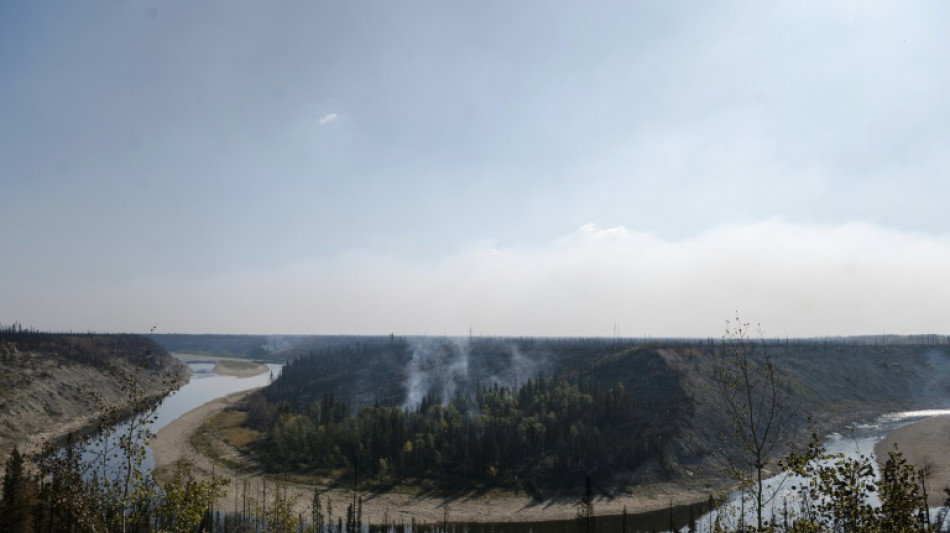
Warmest Arctic summer caused by accelerating climate change / Photo: © AFP/File

 Lake Energy Secures $80 Million for U.S. Renewable Energy Expansion

 Carragher sees Manchester City’s winning start as challenge to Arsenal
 Oasis fans weigh ticket costs and reunion memories ahead of 2027 tour

 EastEnders previews Kat’s grief after Zoe’s death

 US military confirms Iran war has led to munitions shortfall

 SkySail Strategies Outperforms Wall Street's 30-Year Risk Standard With Proprietary AI Inference Model

 Canada ends refugee family sponsorship exemption over integrity concerns

 Berlin's run-down public spaces at heart of election campaign

 Ribeiro and Richie among celebrity birthdays for September 20–26

 Bob Mackie, costume designer for Cher and Madonna, dies aged 87

 Mahomes makes triumphant return as Chiefs rout Broncos 31-10

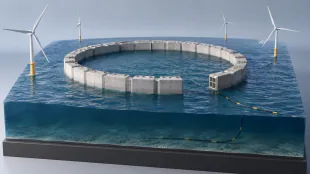 Belgium completes outer structure of offshore energy island

 Video documents rescue of injured US airman from Iran

 Asian Games: Bigger than Olympics, young stars and a cruise ship

 Asian Games set for liftoff but will have everyone have a bed?

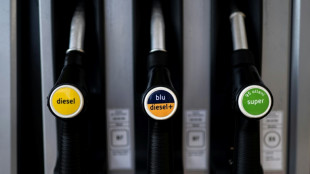 Most markets drop as oil extends gains ahead of expected US rate hike

 Kate Beckinsale challenges assumptions about her beauty routine

 Sri Lanka's famed beach shack battles demolition

 Drone shot down by NATO over Lithuania

 Vserv targets ₹1,000 crore revenue by 2030 through AI expansion

 India prohibits bank fees on UPI payments up to ₹2,000

 Air India CEO summoned over alleged departure immigration lapse

 New Zealand agencies missed red flags in child kidnapping case: inquiry

 Brazil's Amazon defender Raoni has cancer

 HFCL expands planned fibre investment to ₹1,800 crore

Summer surface air temperatures in 2023 were the warmest ever observed in the Arctic as a result of accelerating human-caused climate change, an official report card published Tuesday said.
The average temperature from the months of July-September was 43 degrees Fahrenheit (6.4 Celsius), the highest since record-keeping began in 1900.
"The overriding message from this year’s report card is that the time for action is now," National Oceanic and Atmospheric Administration administrator Rick Spinrad said in a statement.
"We as a nation and global community must dramatically reduce greenhouse gas emissions that are driving these changes."
Average summer temperatures have been rising 0.31 F (0.17 C) per decade.
Overall, it was the Arctic's sixth warmest year, at 20 degrees Fahrenheit (-7 C).
Now in its 18th year, the NOAA Arctic Report Card is the work of 82 authors across 13 countries.
Observations from this year's report emphasize an ongoing trend line of warming sea and air temperatures, decreasing snow cover, diminishing sea ice, and continued melting of the Greenland Ice Sheet.
But the year also brought high impact events that had the "clear signature" of climate change, for example the Canadian Arctic experienced its worst wildfire season on record, causing the evacuation of 20,000 people from the town of Yellowknife in August.
Also in August, a glacial lake near Juneau, Alaska burst through its dam, causing massive flooding and property damage along the Mendenhall River, as a result of two decades of glacial thinning.
The long term warming trend has a variety of uneven impacts across ecosystems and food webs that people rely upon.
For example, sockeye salmon reached a record-high abundance in Bristol Bay, Alaska in the years 2021 and 2022.
The species, a staple of commercial fisheries, has thrived under warmer waters, which allow juveniles to grow faster in lakes and increase their odds of survival when they reach the ocean.
On the other hand, chinook and chum salmon have drastically declined following heat waves that negatively impact their growth rates, contributing to smaller adults.
Another chapter of the report examines subsea permafrost, a field that is relatively little known, even among scientists -- though potentially an important source of greenhouse gas emissions.
As the world emerged from the last ice age, rising ocean waters in the Arctic covered permafrost, transforming it into subsea permafrost over thousands of years.
"An estimated 2.5 million km2 of subsea permafrost remains today, but it continues to thaw due to the original ocean inundation event and more recent, rapid Arctic warming," the report said.
S.Spengler--VB