
-
 South Korea edge El Salvador 1-0 in final World Cup warm-up
-
Wembanyama 'not worried' after Knicks stun Spurs in finals opener
-
 Knicks rally to beat Spurs in NBA Finals game-one thriller
-
N. Korea's Kim vows 'exponential' boost in nuclear forces
-
 Overtaken by Hong Kong in global wealth management, Swiss keep cool
-
Indonesian rupiah falls to record low against US dollar
-
 Stocks drop on AI, rate hike worries as Lebanon deal hits oil
-
US House votes to curb Trump on Iran war as talks stall
-
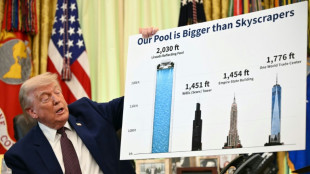 'Our pool is bigger than skyscrapers': Amid war, Trump touts Washington projects
-
Ferrari tipped to end Antonelli's winning run
-
 "I am from Bosnia" -- Bosnia's first World Cup success
-
Brumbies battle the odds in Super Rugby playoff against Hurricanes

-
 Morocco's dual-national scouting policy pays rich dividends
-
Favourites keep apart in lead up to Tour de France

-
 Ukraine strike kills 3 in Russian-occupied Crimea
-
Fiji rejects Australian billionaire's 'Pacific ashtray' plan to ship, burn waste

-
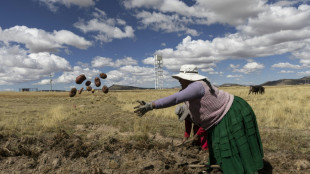 In Peru's highlands, hopelessness shapes a bitter presidential runoff
-
Tim Berners-Lee calls for AI to preserve 'original values' of web
-
 China bans New Zealand lawmakers over Taiwan trip
-
South Korean adoptees sue Denmark over right to know birth families

-
 Show must go on for ballerinas in crisis-hit Cuba
-
NBA 'on schedule' with Europe league plans: Silver

-
 Plan to merge BBL's Melbourne teams sparks 'anxiety' for players
-
World Cup fans barred from bringing water bottles into stadia
-
 Israel, Lebanon agree to conditional ceasefire
-
New Delhi hotel blaze kills 21, including foreigners
-
 Bayeux Tapestry to be moved in secret to British Museum: minister
-
Meta lashes Australia's bid to make tech giants pay for news
-
 NZ football star meets influencer behind viral fame
-
'Thank you, Football' - quarterback Russell Wilson confirms move to broadcasting

-
 Meta lashes Australia bid to make tech giants pay for news
-
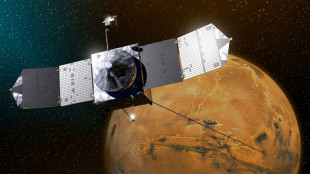
NASA ends mission after loss of Mars probe
-
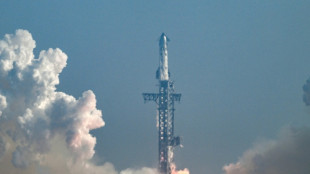 SpaceX aims to raise record $75 bn in stock market debut
-
Algeria sucker-punch Netherlands in World Cup warm up

-
 Iran FM says 'no tangible progress' in talks but Trump says deal close
-
DRC cheered on by 23,000 fans in World Cup warm-up

-
 New York turns blue and orange as Knicks fever grips city
-
Javier Bardem terrifies Amy Adams in TV adaptation of 'Cape Fear'

-
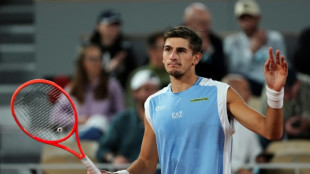 Arnaldi into French Open semis as Berrettini retires injured
-
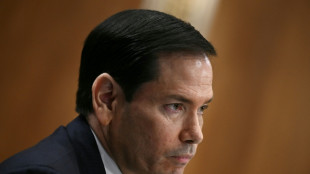
Cuba has 'technocrats' willing to negotiate, Rubio says
-
 Authorities warn of World Cup ticket, merchandise scams
-
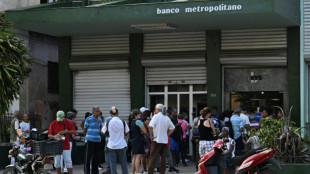
US sanctions interrupt Visa, Mastercard payments in Cuba
-
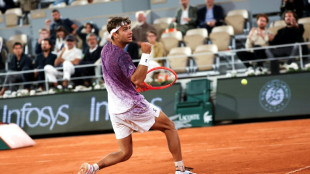 Cobolli sinks Auger-Aliassime to book French Open semi spot
-
Police probe alleged assault on coach of Australian tennis player in Birmingham

-
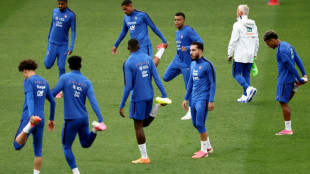 France's Saliba 'fine' after injury scare, says Deschamps
-
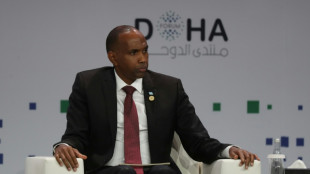
Somalia ex-PM says attacked by govt forces in Mogadishu
-
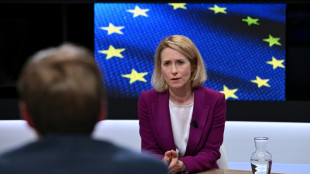 Ukraine drone strikes causing 'panic' for Kremlin: EU's Kallas to AFP
-
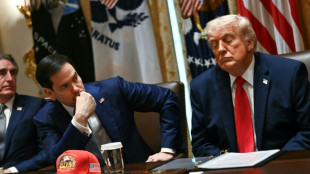
Rubio brushes off Trump mental acuity concerns as 'absurd'
-
 Ukraine's Kostyuk takes on Russian Andreeva in French Open semis
-
German director Wenders pulls 1975 film over child nude scene

Europe's Economic Self-Sabotage
Europe, once a beacon of economic prowess, is grappling with challenges that threaten its unique economic model. The European Union's economy, valued at approximately $20.29 trillion in nominal terms in 2025, stands as the second largest globally, yet it faces stagnation and competitive decline. Germany, France, and Italy, which collectively account for over half of the EU’s GDP, are pivotal to this narrative, but their struggles reverberate across the bloc.
The EU’s economic woes stem from a confluence of internal and external pressures. Germany, the bloc’s largest economy, contracted by 0.3% in the final quarter of 2023, hampered by high energy costs, a shortage of skilled labour, and chronic underinvestment in infrastructure. The automotive sector, a cornerstone of German industry, faces existential threats from Chinese electric vehicle manufacturers, who are flooding European markets with affordable alternatives. Central and Eastern Europe, heavily integrated into German supply chains, feel the ripple effects, with countries like Hungary and Slovakia at risk as demand falters.
Innovation, or the lack thereof, is a critical issue. The EU has failed to meet its target of spending 3% of GDP on research and development, languishing at around 2% for decades. This shortfall is stark when compared to the United States, where tech giants like Amazon and Alphabet dominate global innovation. Europe’s universities, with only one institution in the global top 30, struggle to drive cutting-edge research, and much of the bloc’s R&D funding is misallocated, particularly in Germany, where it is heavily skewed towards the automotive sector. This lack of diversification leaves Europe vulnerable in a rapidly evolving global economy.
Energy policy further complicates the picture. Despite a 26% reduction in greenhouse gas emissions per employed person over the past decade, 70% of the EU’s energy still comes from fossil fuels, and the bloc remains 63% dependent on imported fuel. The push for renewables, while commendable, is uneven—Sweden leads with nearly two-thirds of its energy from renewable sources, while countries like Ireland and Belgium lag behind. High energy prices, exacerbated by geopolitical tensions and the loss of Russian gas supplies, have strained energy-intensive industries, particularly in Germany.
Trade dynamics add another layer of complexity. The EU is the world’s largest exporter of manufactured goods and services, accounting for 14% of global trade. However, the spectre of tariffs, particularly from the United States, looms large. With over €500 billion in annual exports to the U.S., any imposition of tariffs could devastate European industries. The EU’s response—potential counter-tariffs or World Trade Organization complaints—may not suffice to protect its markets, especially as global supply chains face disruptions from conflicts and protectionist policies.
Internally, the EU’s single market, a cornerstone of its economic integration, is under strain. Calls for deeper integration, including a capital markets union and harmonised regulations, are met with resistance from member states guarding national interests. The EU’s budget, at €2 trillion for 2021–2027, is substantial but insufficient to address cross-border challenges like defence or green energy transitions. Moreover, the Council of Ministers’ veto system hampers swift decision-making, stalling progress on critical issues like a unified defence policy or fiscal coordination.
The EU’s social model, with 26.8% of GDP spent on welfare in 2023, is a point of pride but also a burden. High public debt in countries like Greece, Italy, and France, all exceeding 100% of GDP, limits fiscal flexibility. Austerity policies in the past have stifled growth, and the bloc’s projected population decline—to 420 million by 2100—raises concerns about sustaining this model amid an ageing workforce.
Geopolitical fragmentation exacerbates these challenges. The EU’s trade openness, with extra-EU trade exceeding 40% of GDP, makes it vulnerable to global disruptions. Initiatives like the Global Gateway aim to build resilient supply chains, but they compete with China’s Belt and Road and face internal coordination hurdles. Meanwhile, the euro, the world’s second most traded currency, is under scrutiny as global debt levels soar and the U.S. dollar’s dominance raises questions about financial stability.
Europe’s tourism sector, a bright spot, underscores its cultural and economic allure, accounting for 60% of global international visitors. Yet, even this strength is at risk from economic uncertainty and potential trade wars, which could deter visitors and disrupt the 1.1 billion annual tourism trips by EU residents.
The EU stands at a crossroads. Its unique blend of free-market principles and social welfare, coupled with an integrated single market, has long been a global model. However, without bold reforms—streamlining regulations, boosting innovation, diversifying energy sources, and deepening integration—the bloc risks undermining its economic vitality. The path forward demands urgency and unity, lest Europe’s economic legacy becomes a cautionary tale.

Alert in Trump’s America

Why China props up Putin

Zelenskyy anti-graft gamble

Seven-Day Sanctions Showdown

Trump vs. EU: A good deal?
Japan's financial precipice
Iraq vs. Iran – The end?
France's debt is growing
Azerbaijan defies Russia
Geopolitics: Peru's balancing act
Spain defies NATO's 5% goal


