-
 Arnaldi into French Open semis as Berrettini retires injured
-
Cuba has 'technocrats' willing to negotiate, Rubio says
-
 Authorities warn of World Cup ticket, merchandise scams
-
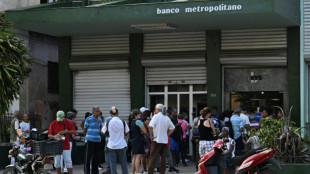
US sanctions interrupt Visa, Mastercard payments in Cuba
-
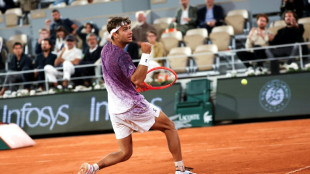 Cobolli sinks Auger-Aliassime to book French Open semi spot
-
Police probe alleged assault on coach of Australian tennis player in Birmingham
-
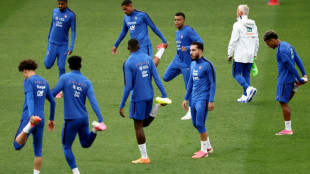 France's Saliba 'fine' after injury scare, says Deschamps
-
Somalia ex-PM says attacked by govt forces in Mogadishu
-
 Ukraine drone strikes causing 'panic' for Kremlin: EU's Kallas to AFP
-
Rubio brushes off Trump mental acuity concerns as 'absurd'
-
 Ukraine's Kostyuk takes on Russian Andreeva in French Open semis
-
German director Wenders pulls 1975 film over child nude scene

-
 McIlroy chasing elusive Memorial, Scheffler eyes three-peat
-
Sabalenka implodes as Shnaider books French Open semi with Chwalinska
-
 Sabalenka fell into 'dark hole' during French Open loss
-
Ukrainian drones hit Saint Petersburg as 'Russian Davos' opens
-
 Stokes defends Archer's England absence due to IPL duties
-
UN urges AI firms to reveal environmental footprint
-
 Sabalenka crumbles to French Open quarter-final defeat by Shnaider
-
Henry fit to lead New Zealand's attack at Lord's

-
 Yamal, Williams should be fit for World Cup opener: De la Fuente
-
UK PM slams violence over police handcuffing of dying student
-
 EU wants to favour European firms for AI, cloud in sovereignty push
-
England captain Stokes defends Archer's IPL-enforced absence from Test side

-
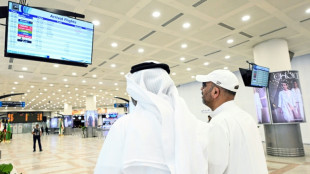 Deadly drone strike on Kuwait airport as Iran, US trade fire
-
EU eases spending rules to tackle energy shock
-
 Polish qualifier Chwalinska reaches French Open semi-finals
-
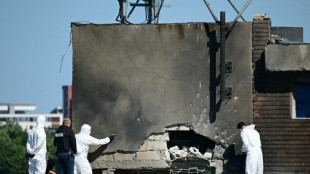
Romania wants to boost air defence after drone strike blamed on Russia
-
 French content creators gear up to influence presidential election
-
France hits Shein with 22 mn euros in new fines over consumer violations
-
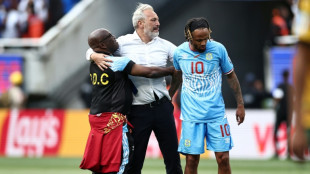 DRC coach prepared to play friendly behind closed doors
-
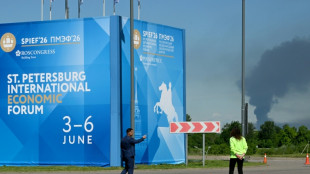
Ukraine drones hit Saint Petersburg as 'Russian Davos' opens
-
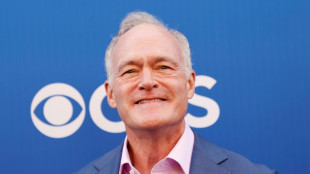 CBS News fires '60 Minutes' veteran Scott Pelley
-
Robots, supply strain: five hot topics at Computex

-
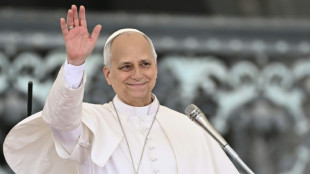 Pope Leo prepares to visit polarised, secular Spain
-
Formula One ace Leclerc extends contract with 'second family' Ferrari
-
 Hundreds flee as South Africa anti-migrant mobs go door-to-door
-
Drone strikes close Kuwait airport as Iran and US clash in Gulf
-
 Ukraine drones hit Saint Petersburg as flagship economic forum opens
-
Iran World Cup squad to reach Mexico early Sunday
-
 Indian stars push to end elephants in Bollywood
-
OECD cuts 2026 global growth forecasts over Mideast war fallout
-
 'Blind spots': drone alert lays bare Lithuania poor shelter access
-
French UFC fighter Gane blocking out politics before White House bout

-
 England aim to erase Ashes scars against New Zealand
-
50 years after Olympic glory, Comaneci's homecoming sparks hope of new path to perfection

-
 'No hiding' as Haiti thrash New Zealand in pre-World Cup friendly
-
Military seeks prison time for Indonesian soldiers in acid attack

-
 'Animalistic horror': Russia puts war art on display
-
German alleged rape victim battles time limit on abuse cases

Why China props up Putin
Beijing’s refusal to condemn Moscow’s full-scale assault on Ukraine has hardened into active, if carefully calibrated, material support. Customs and corporate-registration data show Chinese firms now dominate the flow of critical metals, micro-electronics and dual-use components that keep Russia’s defence industry alive, even as Western sanctions tighten.
Recent investigative dossiers detail how small export-intermediaries in coastal provinces label drone engines as “industrial refrigeration units,” allowing them to cross Eurasia by rail and re-appear inside Shahed-style loitering munitions launched against Odesa and Kyiv.
The trade underpinning this pipeline is immense. Despite a 9 % year-on-year dip, bilateral turnover still exceeded $106 billion in the first half of 2025, with Chinese car parts, machine tools and consumer electronics filling gaps left by departing Western brands. Energy sits at the core of the partnership. Xi Jinping and Vladimir Putin agreed in May to fast-track the 50 bcm-per-year “Power of Siberia 2” gas link, which would lock in discounted Siberian gas for decades and give Moscow a lifeline as European demand evaporates.
Financial ties deepen in parallel. By late 2024 more than a third of Russia’s trade was settled in yuan, helping the Kremlin skirt dollar clearing and accelerating Beijing’s long-term bid to internationalise its currency. Yet 98 % of Chinese banks now refuse direct rouble deals, a sign of how carefully Beijing manages sanctions exposure. Strategically, Chinese planners see virtue in a protracted conflict that drains U.S. and European arsenals, diverts NATO bandwidth, and tests Western sanctions architecture—all while avoiding outright Russian collapse that could leave a NATO-leaning vacuum on China’s northern frontier.
Washington and Brussels are responding. The EU is preparing its first penalties on Chinese banks accused of laundering Russian transactions, while Kyiv has black-listed several mainland suppliers implicated in drone production.
Still, Beijing judges the benefits—energy security, discounted commodities, a pliant strategic partner, and valuable combat data for its own doctrine—outweigh the risks. The partnership remains officially “no-limits,” but in practice it is bounded by one overriding calculation: help Moscow enough to bleed Ukraine and frustrate the West, yet not so openly that secondary sanctions threaten China’s wider economic ambitions.

Fentanyl trade unravels
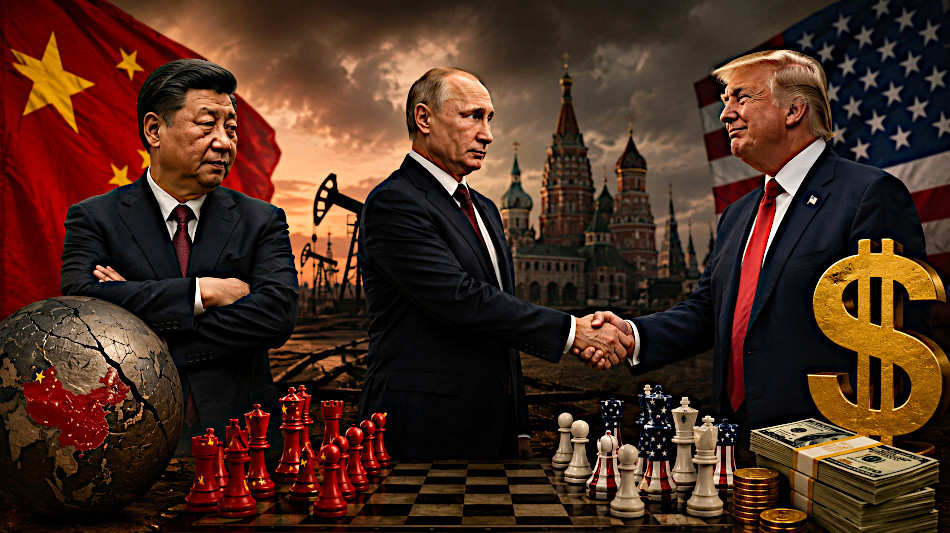
Russia’s dollar pivot
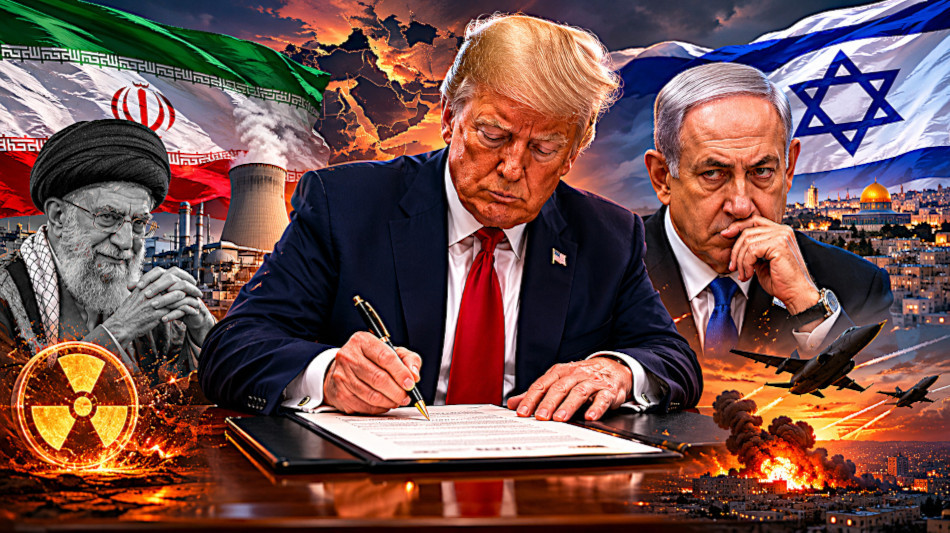
Israel riled by US-Iran pact
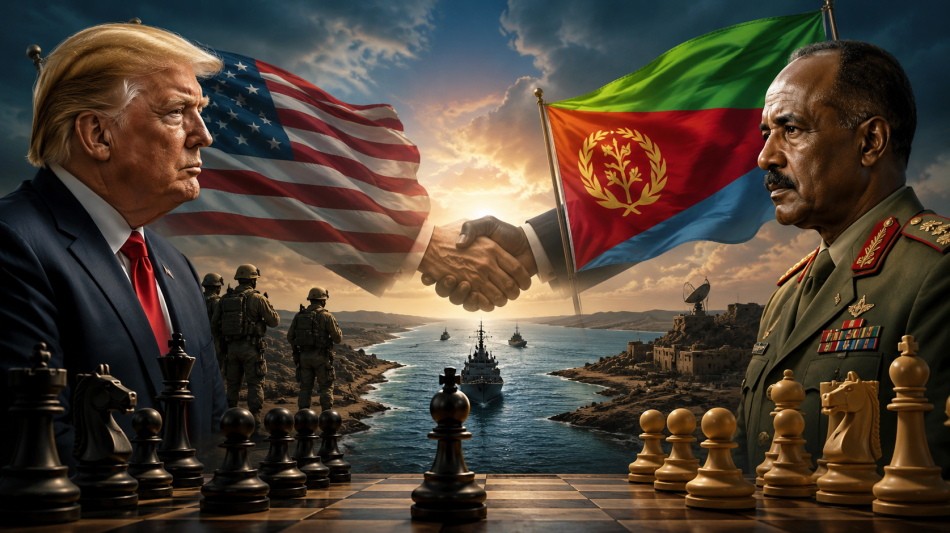
Red sea gambit with Eritrea
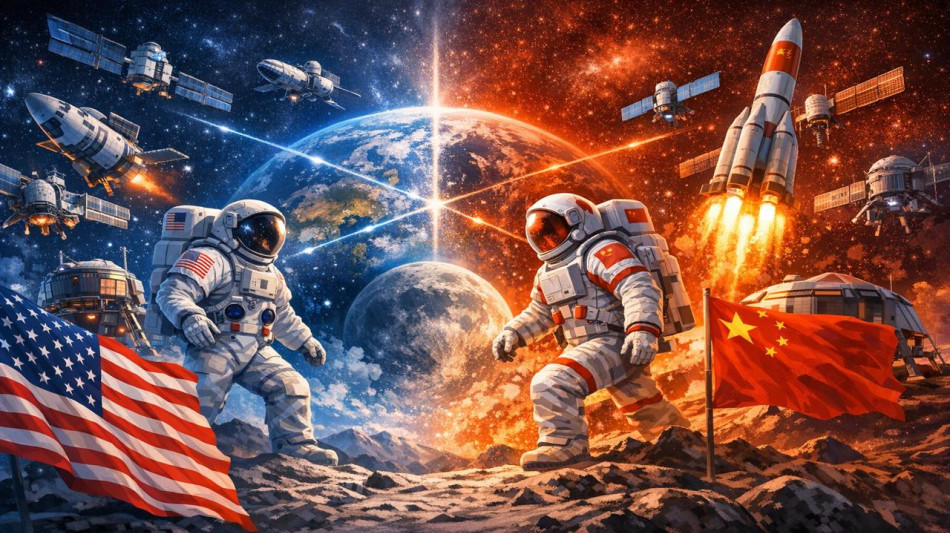
US China race hits 2027

Brussels misreads Magyar

Scandic Coin, (SNC) and Trust

Global finance in few hands

AI's 18-month Job disruption

Iran war fuels terror risks
Bitcoin slump stirs doubt