
-
 Disgraced ex-prince Andrew sublet royal cottages, UK auditors reveal
-
US Senate approves $70 billion for Trump immigration crackdown
-
 Pro-apartheid past of former boss roils Dutch climate group
-
France questions judicial system after girl's suspected murder

-
 Ireland head coach Farrell extends contract until 2031
-
Israel strikes Lebanese village after warning to several areas

-
 Hurricanes hammer hapless Brumbies to make Super Rugby semi-finals
-
UN doubles appeal for Lebanon aid to nearly $640 mn amid Israel war

-
 Sicily braces for post-wedding blowout of Dua Lipa, Callum Turner
-
Sooryavanshi, 15, in line for maiden India call-up: report

-
 Japan change World Cup training sites in Mexico over conditions
-
Rescued orphaned elephant highlights Nigeria's conservation fight

-
 Crypto scammers prey on French victims from Albania
-
Turkmenistan's 'heavenly' horses at the heart of fervent state cult

-
 China's Xi to visit North Korea next week
-
'Extremely intelligent' bear at large in Japan after hurting four

-
 Irish racing great O'Brien bids to make Epsom Derby history
-
Uzbekistan's debut World Cup crowns surge in football popularity
-
 Australia seizes 100,000 cockroaches in bug-breeder bust
-
Kupcho seizes slim lead in US Women's Open at Riviera

-
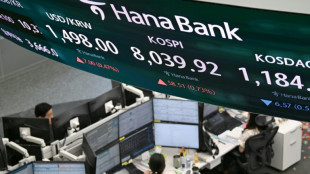 Asian stocks take another hit from AI, Mideast worries
-
Game on: Trump set to attend game 3 of NBA Finals in New York

-
 Nazi party records released online shatter German family myths
-
Political blows fly ahead of Trump's White House UFC fight

-
 US allying itself with Colombian 'narco-traffickers,' Petro accuses
-
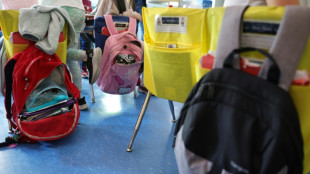
New York City's rules for AI in schools spark fury
-
 Putin to confront weak economy at 'Russian Davos', under threat of Ukrainian drones
-
Australian far-right does U-turn on seizing foreigners' homes

-
 Thousands protest in Albania against Kushner real estate project
-
Kiss confident Reds can 'scare' Chiefs in Super Rugby playoff

-
 US imposes sanctions on Cuban president, Castro family members
-
Clark, Spaun part of four-way tie for lead at Memorial tournament

-
 Trump confirms mass rally, scrapping US 250th concerts
-
Anthropic calls for pause of global AI development

-
 Wemby counts on 'normal' Spurs to bounce back in NBA Finals
-
LA Olympics boss Wasserman says will not step down over Epstein links

-
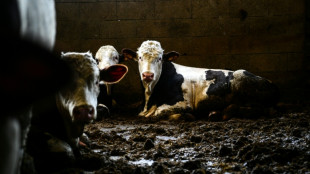 Dangerous livestock pest case confirmed in Texas
-
Diallo gives Ivory Coast shock win over France

-
 Latest 'Scary Movie' aims to cancel 'cancel culture,' creators say
-
Selfie-seeking fan banned for life by NBA after crashing Finals game

-
 Lyles reigns in Rome 100m, Pathirage stuns with javelin
-
German serial killer found guilty of murder of French schoolboy

-
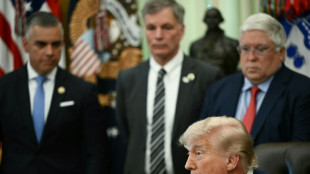 Trump announces $700 mn support for US coal projects
-
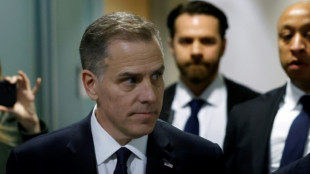
Dissing critics with humor, Hunter Biden finds social media stardom
-
 SpaceX IPO: rockets, AI losses and Musk in control
-
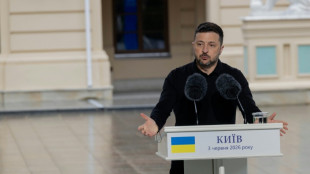
In open letter to Putin, Zelensky calls for meeting and ceasefire
-
 Four-wicket Robinson sparks New Zealand collapse in 1st Test after England slump
-
Pakistan upstage Australia for 2-1 ODI series win

-
 Four-wicket Robinson rocks New Zealand in 1st Test after England collapse
-
Liverpool appoint Spaniard Iraola as new boss

EU Residence permits: Record level to third nationals
The European Union (EU) has witnessed a significant increase in the number of residence permits issued to third-country nationals over the past decades. This trend has sparked a debate on whether such immigration represents a valuable opportunity for the EU's future or poses a burden to its member states. This article explores the reasons behind the proliferation of residence permits and examines the potential implications for the EU.
Understanding the Surge in Residence Permits
Economic Drivers
One of the primary reasons for the high number of residence permits is the economic demand within the EU. Many member states face ageing populations and shrinking workforces, which can hinder economic growth and strain public welfare systems.
- Labour Shortages: Sectors such as healthcare, engineering, information technology, and agriculture often experience shortages of skilled and unskilled labour. Immigration provides a solution by filling these gaps with third-country nationals.
- Innovation and Competitiveness: Attracting highly skilled professionals from around the world enhances the EU's competitiveness in the global market, fostering innovation and technological advancement.
Educational Opportunities
European universities and educational institutions are renowned globally, attracting students from non-EU countries.
- International Students: Many third-country nationals receive residence permits to study in the EU, contributing to cultural diversity and academic excellence.
- Knowledge Retention: Post-graduation, some students choose to remain in the EU, adding value to the labour market with their acquired skills and expertise.
Humanitarian Obligations
The EU upholds strong commitments to human rights and humanitarian assistance.
- Asylum Seekers and Refugees: Conflicts, persecution, and humanitarian crises in regions like the Middle East and Africa have led to an influx of individuals seeking safety in the EU.
- Family Reunification: Policies that allow family members to join relatives legally residing in the EU contribute to the number of residence permits issued.
Legal Frameworks and Policies
EU directives and national policies facilitate the issuance of residence permits.
- Blue Card Scheme: Designed to attract highly qualified workers, the Blue Card system provides a streamlined process for third-country nationals to live and work in the EU.
- Bilateral Agreements: Some member states have agreements with non-EU countries to encourage mobility and cooperation.
Opportunity for the EU's Future
Economic Growth and Sustainability
Immigration can stimulate economic activity and support public finances.
- Workforce Renewal: Immigrants often fill essential roles, ensuring the continuity of services and industries.
- Fiscal Contributions: Employed immigrants contribute to tax revenues and social security systems, helping to offset the costs of an ageing native population.
Cultural Enrichment and Diversity
Diversity fosters creativity and innovation.
- Cultural Exchange: Immigrants bring new perspectives, traditions, and ideas, enriching the social fabric of EU societies.
- Soft Power: A multicultural population enhances the EU's global influence and diplomatic relations.
Addressing Demographic Challenges
Immigration helps mitigate demographic imbalances.
- Population Decline: In countries with low birth rates, immigrants contribute to population growth and demographic stability.- Support for Elderly Populations: A younger immigrant workforce can support the increasing number of retirees.
Potential Burdens and Challenges
Social Integration
Integrating immigrants into society poses challenges.
- Cultural Differences: Language barriers and cultural disparities can hinder social cohesion.
- Education and Training: Additional resources may be required to provide language education and vocational training.
Economic Pressures
There are concerns about the strain on public services.
- Welfare Systems: Increased demand for healthcare, housing, and social services can pressure budgets, especially if immigrants face unemployment.
- Labour Market Competition: Some fear that immigrants may compete with native workers for jobs, potentially affecting wages and employment opportunities.
Political and Social Tensions
Immigration can become a polarising issue.
- Rise of Populism: Anti-immigrant sentiments can fuel nationalist movements and political polarisation.
- Security Concerns: Issues related to border control and illegal immigration raise security considerations.
Balancing Act: Policies for Sustainable Immigration
For immigration to serve as an opportunity rather than a burden, strategic policies are essential.
Effective Integration Strategies
- Education and Language Acquisition: Investing in programmes that facilitate language learning and cultural orientation.
- Employment Support: Providing pathways for immigrants to enter the labour market commensurate with their skills.
Economic Planning
- Targeted Immigration: Aligning immigration policies with labour market needs to ensure that incoming individuals fill critical roles.
- Support for Innovation: Encouraging entrepreneurs and investors through favourable conditions and support networks.
Social Cohesion Initiatives
- Community Engagement: Promoting interactions between immigrants and local communities to build mutual understanding.
- Anti-Discrimination Laws: Enforcing legislation that protects the rights of immigrants and promotes equality.
Conclusion: A Future Shaped by Immigration
The influx of third-country nationals through residence permits presents both opportunities and challenges for the European Union. When managed effectively, immigration can address demographic issues, bolster economic growth, and enrich societies culturally. However, without careful planning and integration efforts, it may lead to social tensions and economic pressures.
The key lies in implementing comprehensive policies that maximise the benefits of immigration while mitigating its challenges. By fostering an inclusive environment and leveraging the potential of immigrants, the EU can turn what some perceive as a burden into a significant advantage for its future.

Alert in Trump’s America

Why China props up Putin

Zelenskyy anti-graft gamble

Seven-Day Sanctions Showdown

Trump vs. EU: A good deal?
Japan's financial precipice
Iraq vs. Iran – The end?

France's debt is growing
Azerbaijan defies Russia
Geopolitics: Peru's balancing act

Spain defies NATO's 5% goal


