-
 Oil drops, stocks mostly higher despite AI concerns
-
Shaheen-led Pakistan dismisses Australia for 157 in third ODI

-
 Iran leader says dealt enemies 'decisive blow' in Middle East war
-
'Blood gold': how gangs took control of Venezuela's mines

-
 Andreeva races past Kostyuk to reach French Open final
-
Is Iran's new supreme leader taking up the reins of power?
-
 Hungary drops charges against organisers of banned Pride marches
-
Hezbollah chief rejects truce, demands Israeli withdrawal from Lebanon

-
 Mourinho takes Turkey to top Europe rights court over sanctions
-
England collapse against New Zealand in first Test

-
 Mboko hails 'Queen' Serena ahead of tennis legend's return
-
Brazil may purchase 20 more fighter jets from Sweden

-
 UK PM says Elon Musk 'trying to whip up division' over student's murder
-
Iraola jets in to Liverpool to finalise Anfield deal

-
 Guardiola quit '100 times' before leaving, says Man City chairman
-
Martinez Novell replaces Hjulmand as Leverkusen coach

-
 Napoli confirm Conte exit with Allegri tipped as new coach
-
MEXC Tops New Contract Listings in CoinGecko's 2026 State of Crypto Perpetuals Report

-
 New Zealand dismiss England debutant Gay before rain halts 150th Lord's Test
-
Vast astronaut mission kicks off commercial race to replace ISS

-
 Zverev heads up final four in men's French Open semis
-
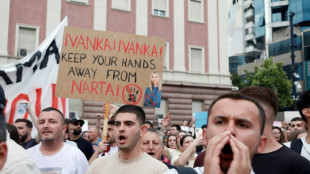
What we know about Kushner's project in Albania
-
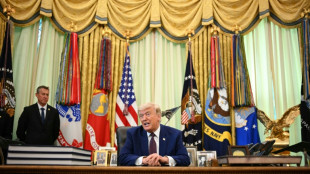 Iran leader says dealt enemies 'decisive blow' in Mideast war
-
City weigh legal action after Real Madrid presidential hopeful targets Haaland

-
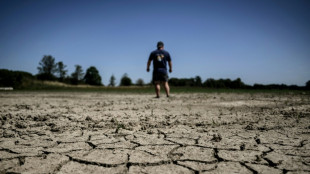 French pair propose new term to define 'environment'
-
'Persepolis' author Marjane Satrapi dies aged 56

-
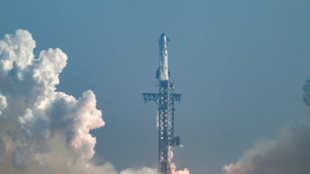 SpaceX seeks a record $75 bn in stock market debut
-
Israel strikes Lebanon after truce announcement

-
 Somalia capital rocked by gunfire and fighting overnight
-
South Korea ruling party fails to flip Seoul in blemish on local poll results

-
 South Africa's closed white enclave attracting Afrikaner youth
-
Nigerian museum revamp brings treasures within reach

-
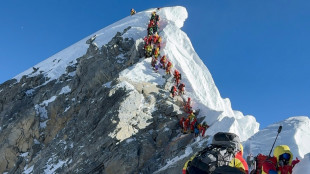 Nepali climber alive after six days missing on Everest
-
South Korea's ruling party fails to flip Seoul in blemish to local polls showing

-
 Brunson vows no let up after Knicks comeback sinks Spurs
-
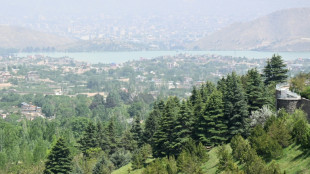
From poplars to pistachios, Afghans rediscover the value of trees
-
 South Korea edge El Salvador 1-0 in final World Cup warm-up
-
Wembanyama 'not worried' after Knicks stun Spurs in finals opener

-
 Knicks rally to beat Spurs in NBA Finals game-one thriller
-
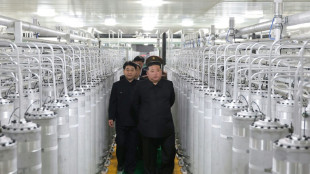
N. Korea's Kim vows 'exponential' boost in nuclear forces
-
 Overtaken by Hong Kong in global wealth management, Swiss keep cool
-
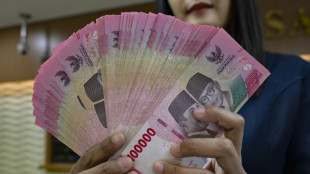
Indonesian rupiah falls to record low against US dollar
-
 Stocks drop on AI, rate hike worries as Lebanon deal hits oil
-
US House votes to curb Trump on Iran war as talks stall
-
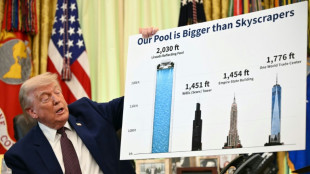 'Our pool is bigger than skyscrapers': Amid war, Trump touts Washington projects
-
Ferrari tipped to end Antonelli's winning run

-
 "I am from Bosnia" -- Bosnia's first World Cup success
-
Brumbies battle the odds in Super Rugby playoff against Hurricanes

-
 Morocco's dual-national scouting policy pays rich dividends
-
Favourites keep apart in lead up to Tour de France

How important is sustainable development?
Economic growth and environmental protection: a balancing act with potential for the future?
At a time when climate change and environmental degradation are among the most pressing global challenges, many countries are faced with the question of how to grow economically while remaining environmentally friendly. This challenge requires innovative approaches and a reorientation of traditional economic practices.
Sustainable economic management is the key:
Sustainable economic management means using resources in such a way that the needs of the present generation are met without compromising the ability of future generations to meet their own needs. This includes integrating environmental aspects into all economic decisions. Companies and governments must consider environmental sustainability an integral part of their operations, not an added cost factor.
Promoting green technologies:
Technological progress plays a crucial role in reconciling economic growth and environmental protection. Investing in renewable energies such as wind, solar and hydroelectric power not only reduces greenhouse gas emissions, but also creates new jobs and industries. Countries that embrace green technologies early on can gain a competitive advantage and reduce their dependence on fossil fuels.
Implement a circular economy:
The traditional linear economic model – produce, consume, dispose – leads to resource waste and pollution. The circular economy, on the other hand, aims to keep materials and products in use for as long as possible, minimising waste and conserving resources. By recycling, reusing and repairing, countries can both ease the burden on the environment and reap economic benefits.
Setting the political framework:
Governments play a crucial role in creating incentives for environmentally friendly economic activity. This can be done by providing tax breaks for sustainable companies, investing in green infrastructure or setting stricter environmental standards. A prominent example is carbon pricing, which incentivises companies to reduce their emissions and invest in environmentally friendly alternatives.
Promoting education and awareness:
A shift towards a sustainable economy also requires a change in the way society thinks. Education programmes can raise awareness of environmental issues and empower the next generation to make sustainable choices. Environmentally conscious consumers can urge companies to adopt more sustainable practices.
Strengthen international cooperation:
To effectively address global environmental issues, cooperation between countries is essential. International agreements such as the Paris Climate Accord set targets for reducing greenhouse gas emissions and promote the exchange of technologies and knowledge. Through joint efforts, countries can both benefit economically and contribute to protecting the planet.
Conclusion:
reconciling economic growth and environmental protection is not an impossible task, but a necessity for a sustainable future. By promoting green technologies, implementing the circular economy, taking appropriate policy measures and cooperating internationally, countries can embark on a path that ensures both economic prosperity and the preservation of our environment. It is up to governments, businesses and individuals to actively shape this change.
Israel escalates War to crush Hamas
Trump, Putin and the question: What now?
Canada challenges Trump on Tariffs
Nuclear weapons for Poland against Russia?
Rebellion against Trump: "Ready for War?"
Ukraine: Problem with the ceasefire?

Ukraine Loses Kursk: A Collapse?
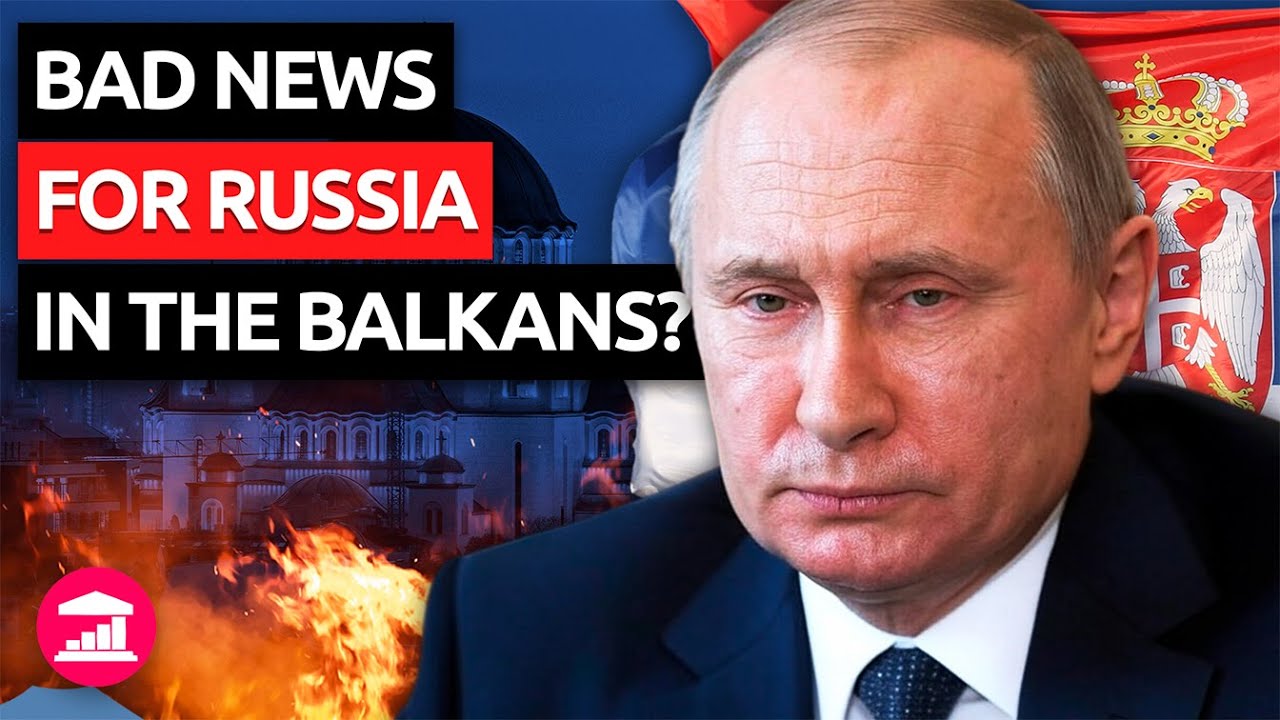
Russia's "Alliance" in the Balkans is sinking
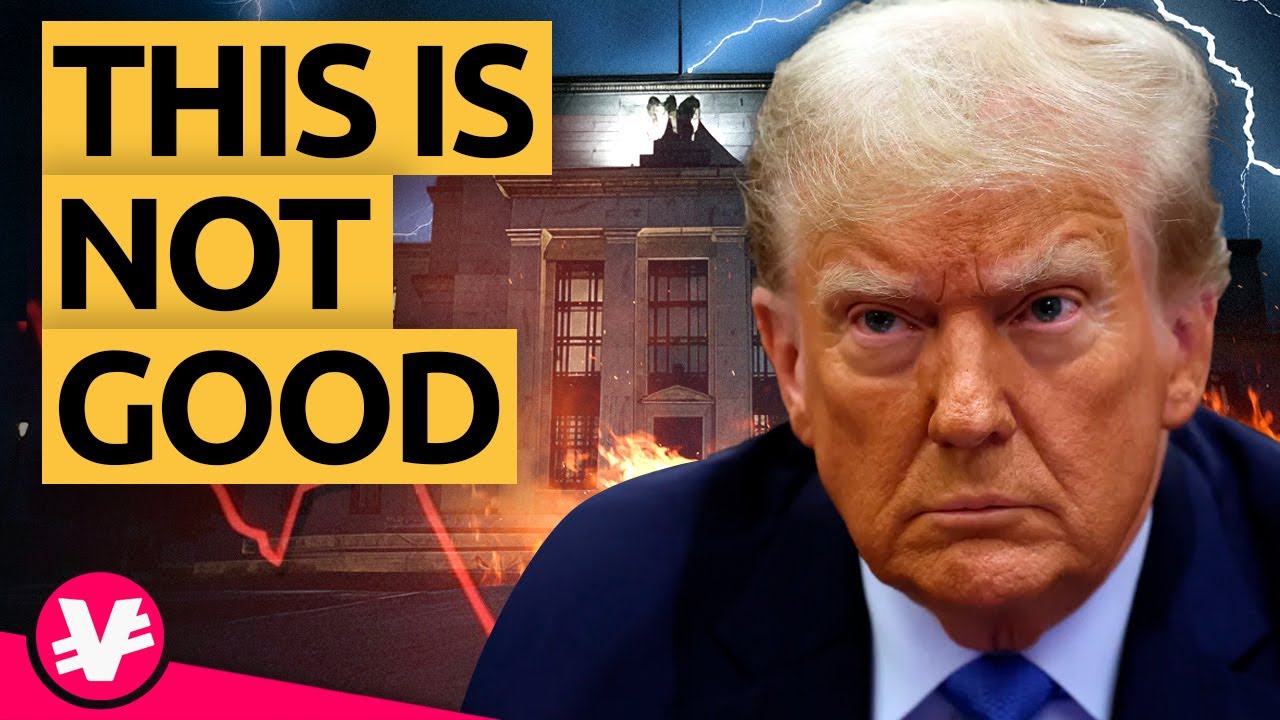
US Federal Reserve with “announcement”

Germany doesn't want any more migrants?
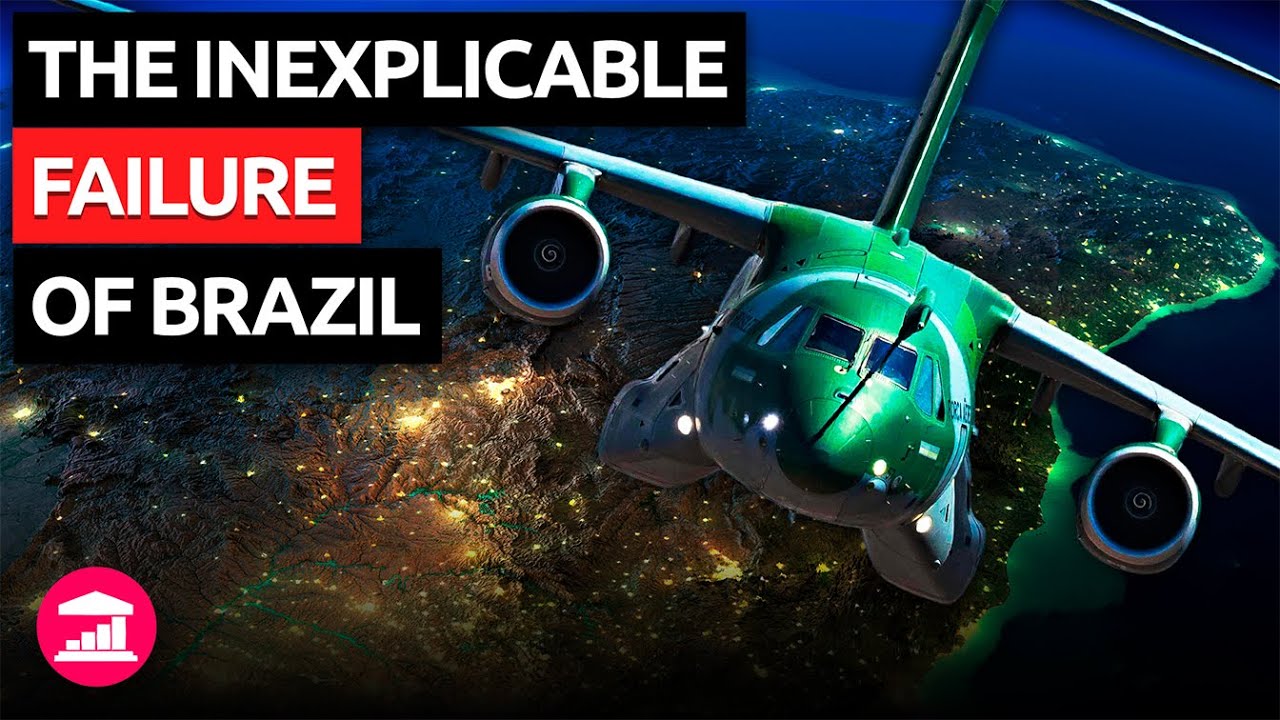
Wealth that Brazil is not utilizing!