-
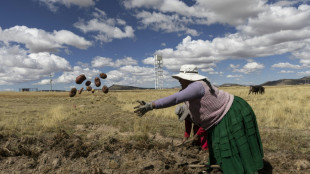 In Peru's highlands, hopelessness shapes a bitter presidential runoff
-
Tim Berners-Lee calls for AI to preserve 'original values' of web

-
 China bans New Zealand lawmakers over Taiwan trip
-
South Korean adoptees sue Denmark over right to know birth families

-
 Show must go on for ballerinas in crisis-hit Cuba
-
NBA 'on schedule' with Europe league plans: Silver

-
 Plan to merge BBL's Melbourne teams sparks 'anxiety' for players
-
World Cup fans barred from bringing water bottles into stadia
-
 Israel, Lebanon agree to conditional ceasefire
-
New Delhi hotel blaze kills 21, including foreigners
-
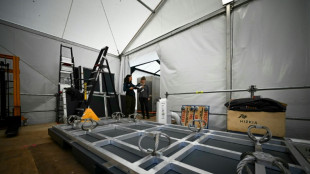 Bayeux Tapestry to be moved in secret to British Museum: minister
-
Meta lashes Australia's bid to make tech giants pay for news

-
 NZ football star meets influencer behind viral fame
-
'Thank you, Football' - quarterback Russell Wilson confirms move to broadcasting

-
 Meta lashes Australia bid to make tech giants pay for news
-
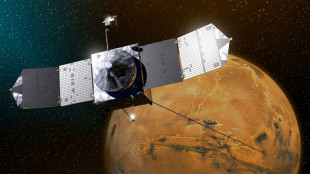
NASA ends mission after loss of Mars probe
-
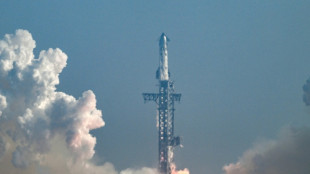 SpaceX aims to raise record $75 bn in stock market debut
-
Algeria sucker-punch Netherlands in World Cup warm up

-
 Iran FM says 'no tangible progress' in talks but Trump says deal close
-
DRC cheered on by 23,000 fans in World Cup warm-up

-
 New York turns blue and orange as Knicks fever grips city
-
Javier Bardem terrifies Amy Adams in TV adaptation of 'Cape Fear'

-
 Arnaldi into French Open semis as Berrettini retires injured
-
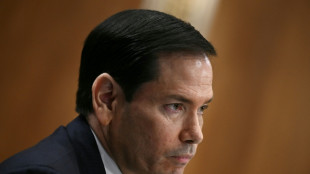
Cuba has 'technocrats' willing to negotiate, Rubio says
-
 Authorities warn of World Cup ticket, merchandise scams
-
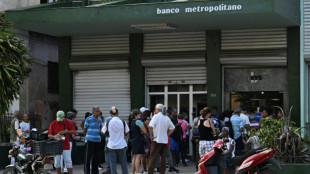
US sanctions interrupt Visa, Mastercard payments in Cuba
-
 Cobolli sinks Auger-Aliassime to book French Open semi spot
-
Police probe alleged assault on coach of Australian tennis player in Birmingham

-
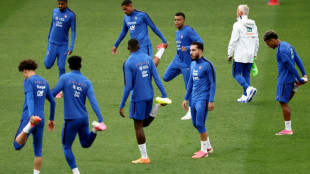 France's Saliba 'fine' after injury scare, says Deschamps
-
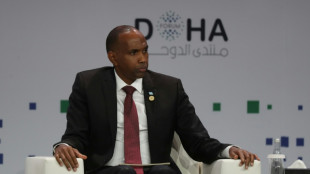
Somalia ex-PM says attacked by govt forces in Mogadishu
-
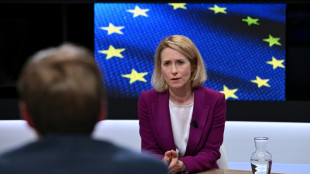 Ukraine drone strikes causing 'panic' for Kremlin: EU's Kallas to AFP
-
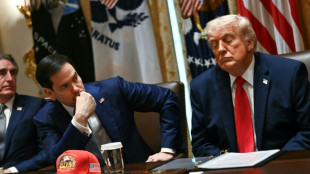
Rubio brushes off Trump mental acuity concerns as 'absurd'
-
 Ukraine's Kostyuk takes on Russian Andreeva in French Open semis
-
German director Wenders pulls 1975 film over child nude scene

-
 McIlroy chasing elusive Memorial, Scheffler eyes three-peat
-
Sabalenka implodes as Shnaider books French Open semi with Chwalinska

-
 Sabalenka fell into 'dark hole' during French Open loss
-
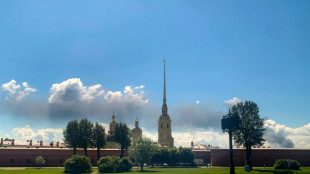
Ukrainian drones hit Saint Petersburg as 'Russian Davos' opens
-
 Stokes defends Archer's England absence due to IPL duties
-
UN urges AI firms to reveal environmental footprint

-
 Sabalenka crumbles to French Open quarter-final defeat by Shnaider
-
Henry fit to lead New Zealand's attack at Lord's

-
 Yamal, Williams should be fit for World Cup opener: De la Fuente
-
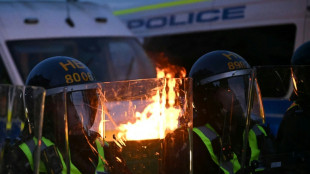
UK PM slams violence over police handcuffing of dying student
-
 EU wants to favour European firms for AI, cloud in sovereignty push
-
England captain Stokes defends Archer's IPL-enforced absence from Test side

-
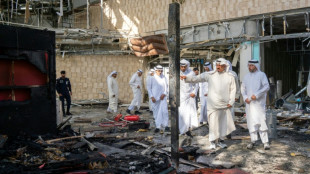
 Deadly drone strike on Kuwait airport as Iran, US trade fire
-
EU eases spending rules to tackle energy shock
-
 Polish qualifier Chwalinska reaches French Open semi-finals
-
Romania wants to boost air defence after drone strike blamed on Russia
How important is sustainable development?
Economic growth and environmental protection: a balancing act with potential for the future?
At a time when climate change and environmental degradation are among the most pressing global challenges, many countries are faced with the question of how to grow economically while remaining environmentally friendly. This challenge requires innovative approaches and a reorientation of traditional economic practices.
Sustainable economic management is the key:
Sustainable economic management means using resources in such a way that the needs of the present generation are met without compromising the ability of future generations to meet their own needs. This includes integrating environmental aspects into all economic decisions. Companies and governments must consider environmental sustainability an integral part of their operations, not an added cost factor.
Promoting green technologies:
Technological progress plays a crucial role in reconciling economic growth and environmental protection. Investing in renewable energies such as wind, solar and hydroelectric power not only reduces greenhouse gas emissions, but also creates new jobs and industries. Countries that embrace green technologies early on can gain a competitive advantage and reduce their dependence on fossil fuels.
Implement a circular economy:
The traditional linear economic model – produce, consume, dispose – leads to resource waste and pollution. The circular economy, on the other hand, aims to keep materials and products in use for as long as possible, minimising waste and conserving resources. By recycling, reusing and repairing, countries can both ease the burden on the environment and reap economic benefits.
Setting the political framework:
Governments play a crucial role in creating incentives for environmentally friendly economic activity. This can be done by providing tax breaks for sustainable companies, investing in green infrastructure or setting stricter environmental standards. A prominent example is carbon pricing, which incentivises companies to reduce their emissions and invest in environmentally friendly alternatives.
Promoting education and awareness:
A shift towards a sustainable economy also requires a change in the way society thinks. Education programmes can raise awareness of environmental issues and empower the next generation to make sustainable choices. Environmentally conscious consumers can urge companies to adopt more sustainable practices.
Strengthen international cooperation:
To effectively address global environmental issues, cooperation between countries is essential. International agreements such as the Paris Climate Accord set targets for reducing greenhouse gas emissions and promote the exchange of technologies and knowledge. Through joint efforts, countries can both benefit economically and contribute to protecting the planet.
Conclusion:
reconciling economic growth and environmental protection is not an impossible task, but a necessity for a sustainable future. By promoting green technologies, implementing the circular economy, taking appropriate policy measures and cooperating internationally, countries can embark on a path that ensures both economic prosperity and the preservation of our environment. It is up to governments, businesses and individuals to actively shape this change.

The Queen: From Churchill to Yeltsin and Tito to Trudeau

Queen Elizabeth II dies aged 96
Ukraine: Kherson, nuclear inspectors and Russian army

Why Lithuania didn't join the tributes to Gorbachev
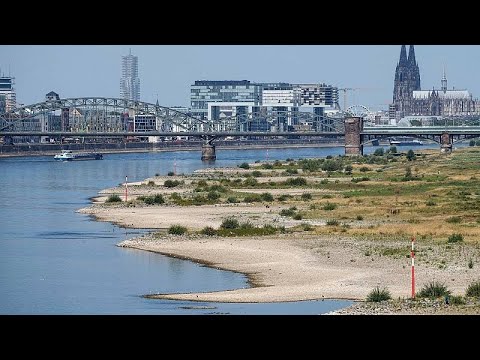
Germany: River Rhine water levels could fall to critical low