-
 St. Louis City's unbeaten MLS run ends at 19, Union's reaches 15
-
Williams lifts Valkyries past Dream in WNBA Finals opener

-
 NFL Eagles bench Hurts at least a month with blood clot
-
Dubois destroys Wardley to retain WBO heavyweight crown
-
 Across US, 'No Kings' events seek to boost early voting
-
Oregon families grapple with explaining school shooting to children
-
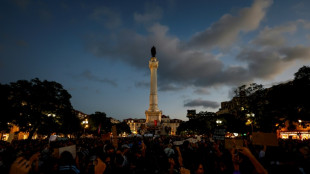 Tents spring up in Lisbon as Portugal housing protests spread
-
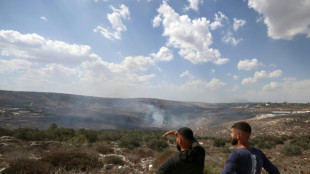
Israeli settlers attack European diplomats, beat French mayor
-
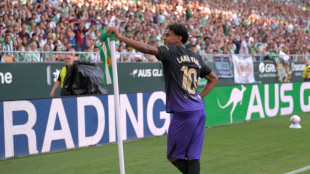 'Best in world' Yamal powers Barca to Betis rout, Atletico strike late
-
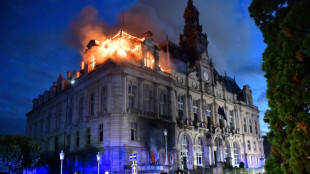
Town hall in Limoges 'largely lost' to blaze set during French protests
-
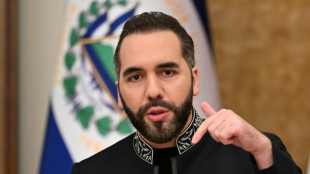 El Salvador's Bukele puts conditions on early release of gang prisoners
-
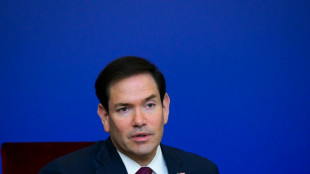
US goes on the offensive in central Asia
-
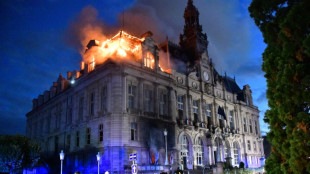 Fire rages at town hall in France's Limoges after protests: authorities
-
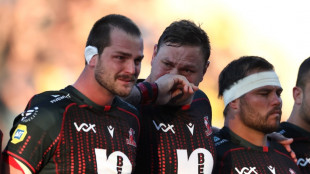
Emotional Lions come up short in Champions Cup as tributes paid to Andrews
-
 Unstoppable Barca thrash Betis to extend perfect start
-
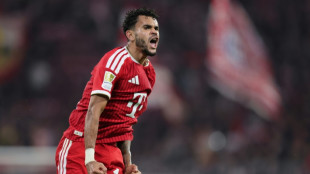
Diaz dazzles as Bayern batter Leipzig to go top
-
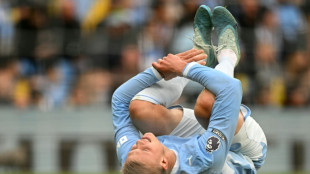 Maresca faces anxious wait over Haaland injury scare
-
Inter move clear at Serie A summit with Bologna win

-
 PSG fight back to beat Strasbourg after Dembele penalty miss
-
Liverpool still have 'lots to improve', says match-winner Isak
-
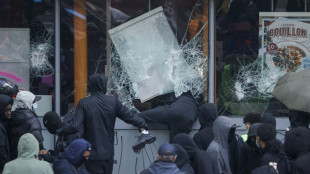
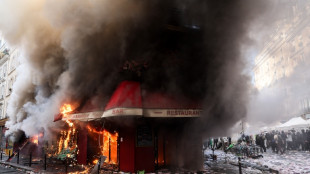 Looting, blazes and clashes in France amid nationwide protests
-
Looters ransack shops during France cost-of-living protests
-
 Walsh breaks her own 50 free world short course record
-
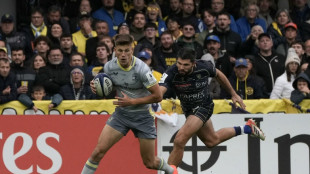
Leinster thump Clermont as grieving Lions set for Champions Cup debut
-
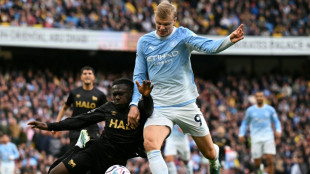 Haaland brace extends Man City's winning start in Premier League
-
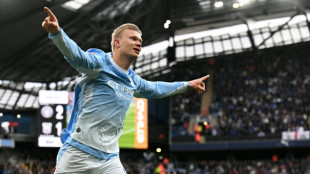
Haaland stars in Man City win, Liverpool beat Brentford
-
 'Special' Ombudsman storms to victory in Champion Stakes
-
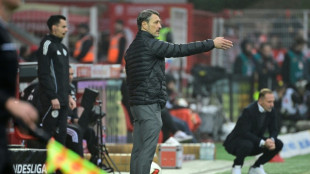
Dortmund go top despite Union Berlin stalemate
-
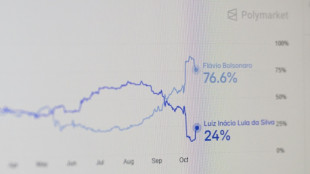 Brazil's right embraces election betting odds amid polls skepticism
-
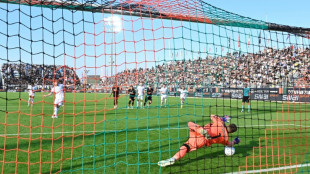
Venezia upset Napoli for first Serie A win of season
-
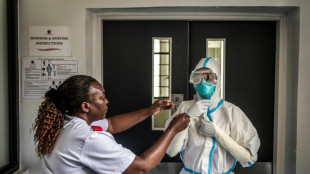 Four more Ebola cases detected in Kenya, bringing total to seven
-
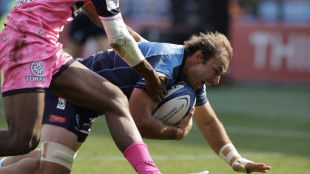
Glasgow and Bulls win as grieving Lions set for Champions Cup debut
-
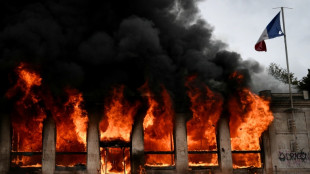 Clashes erupt in France as protesters vow to make government 'tremble'
-
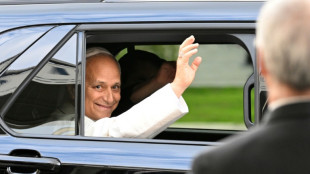
Smiling pope returns to Vatican after cancer surgery
-
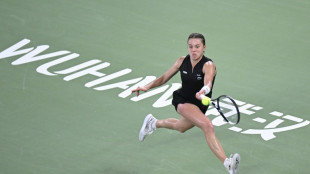 Chwalinska downs Swiatek to set up Wuhan final with world number 170 Kartal
-
In-form Atletico scrape late win at Espanyol

-
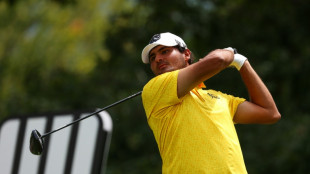 Chacarra takes lead as McIlroy falls away in Delhi
-
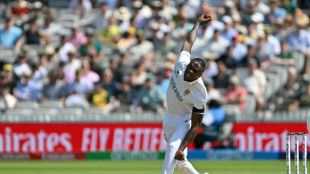
Rabada returns as S.Africa seek to bounce back against Australia
-
 Neto double gives Chelsea win marred by Martinez injury
-
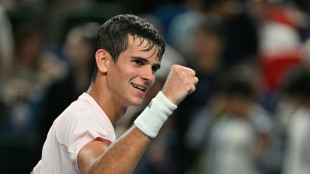
Zverev, Medvedev ousted with Spaniards to clash for Shanghai title
-
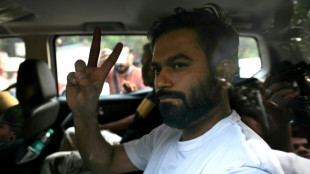 'Cockroach' party founder released from Indian police custody
-
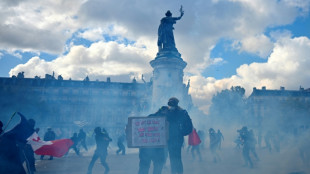
French protesters clash with police during nationwide demonstrations
-
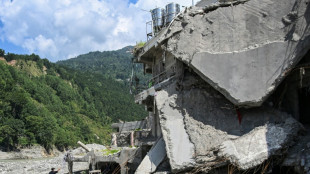 Nepal floods 'defining moment' for climate action: UN
-
Zelensky says Trump could lift more Russia sanctions
-
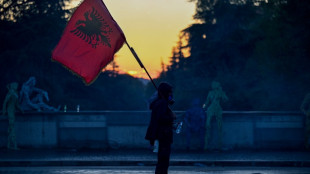 Albanian capital sees fifth straight day of violent clashes
-
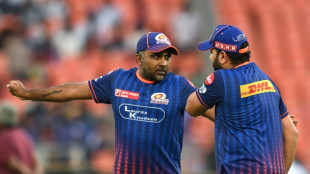
Jayawardene quits as coach of five-time IPL winners Mumbai
-
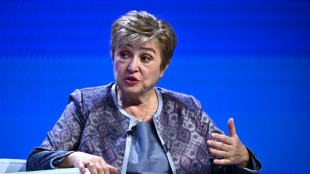 Leaders weigh 'huge benefit', risks of AI for global economy
-
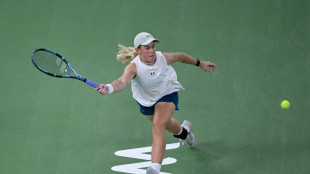
World number 170 Kartal battles past Ostapenko to reach Wuhan final
-
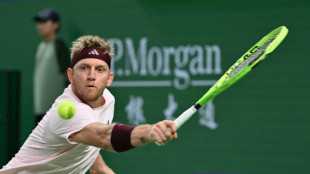 Zverev stunned by Davidovich Fokina in Shanghai semi-finals
-
Pope to return to Vatican after cancer surgery
Cuban regime nears collapse
The communist regime founded by Fidel Castro and later inherited by his brother Raúl Castro is facing its worst legitimacy crisis in decades. The government of President Miguel Díaz‑Canel, who succeeded the Castro brothers, is under intense pressure from economic collapse, widening black‑outs and international isolation. For the first time since the 1959 revolution, senior Cuban officials have been drawn into secret talks that many interpret as negotiations for a managed surrender.
Fuel shortages and humanitarian collapse
In recent months, the United States has tightened its embargo on Cuba by interdicting shipments of Venezuelan crude oil, the island’s main fuel source. The action has crippled Cuba’s ageing power grid. In mid‑March, the national electrical system collapsed, leaving more than ten million people without power and forcing rationing and rolling blackouts. Without diesel for generators or petrol for transport, food prices have spiked and buses have stopped running. Even Cuba’s allies have sounded the alarm. UN Secretary‑General António Guterres warned that continued disruption of oil supplies could lead to a humanitarian “collapse” on the island. Mexico promised emergency shipments, but fears of U.S. tariffs have limited how much oil can actually be delivered. The United Nations reports that fuel shortages have forced hospitals to prioritise surgeries and that chronic medication shortages are reaching crisis levels.
Secret talks and political manoeuvring
Against this backdrop of scarcity, multiple sources report that the Díaz‑Canel government has quietly opened channels to Washington. In a press conference on 13 March 2026, Díaz‑Canel acknowledged for the first time that “processes of this nature require discretion” and said dialogue was taking place, though he refused to provide details. According to investigative reports, advisers to the U.S. Secretary of State have held informal meetings with Raúl Castro’s grandson, Raúl Guillermo Rodríguez Castro (“Raulito”). The United States is reportedly pressing for Díaz‑Canel’s removal but wants to avoid a chaotic collapse. Cuba has responded with gestures meant to curry favour: it recently freed 51 political prisoners, announced it will allow Cuban‑Americans to invest in businesses on the island and has lifted restrictions preventing foreign residents from owning private enterprises.
Yet Cuban authorities publicly deny that leadership succession is part of the negotiations. Deputy Foreign Minister Carlos Fernández de Cossio told reporters that Cuba’s political system is not up for negotiation. He characterised the U.S. pressure campaign as a “take Cuba” strategy and insisted that the country’s sovereignty will not be traded away. Such statements have not quelled speculation. Analysts believe that if Díaz‑Canel resigns in exchange for relief from sanctions and guarantees for the Castro family’s safety, power could pass to younger technocrats or a transitional council.
Public anger and calls for change
On the streets, patience is running out. Long queues for bread and sporadic electricity have eroded whatever legitimacy the revolutionary government still possesses. Many Cubans complain that after more than sixty years, the revolutionary rhetoric has produced little beyond a hereditary elite—a common criticism voiced by citizens and diaspora commentators. They argue that the Castro family, despite claiming to have built an egalitarian society, has effectively become a dynastic monarchy. Commenters on social media observe that while the government blames external enemies, ordinary people bear the brunt of shortages and crumbling infrastructure. Some express hope that the island could soon open to the world and that Cubans abroad will be able to return and rebuild a free country.
These sentiments find echo in protests. Over the past year, small but persistent demonstrations have erupted in Havana, Santiago and smaller towns, with slogans calling for “Libertad” and demanding an end to power cuts. Security forces have arrested dozens, but cracks are showing. Reports suggest that even within the ruling party there is discontent over the handling of the crisis. Younger officials complain that the leadership is out of touch and that the revolution has degenerated into bureaucratic stagnation. Rumours that a negotiated transition could avert a violent upheaval have gained currency.
A fragile transition
Whether the Castro regime will agree to surrender power peacefully remains uncertain. The humanitarian situation is dire, and regional actors such as Mexico and the United Nations are pushing for a resolution to prevent mass migration or state collapse. The United States insists that any easing of sanctions will be contingent on political liberalisation and free elections. Sources close to the talks claim that the parties are discussing a timetable for constitutional reforms, the integration of opposition figures and guarantees for members of the security services, but no agreement has been finalised. For now, Cuba teeters on the precipice between reform and breakdown. The coming months will test whether the revolutionary regime founded by Fidel Castro can orchestrate a controlled handover or whether the island’s deepening crises will force a more chaotic denouement.
Germany under Weidel
After Europe’s capitulation
Operation Venezuela: Scenario

Can the FANB shield Maduro?

After Kirk: Speech at Risk
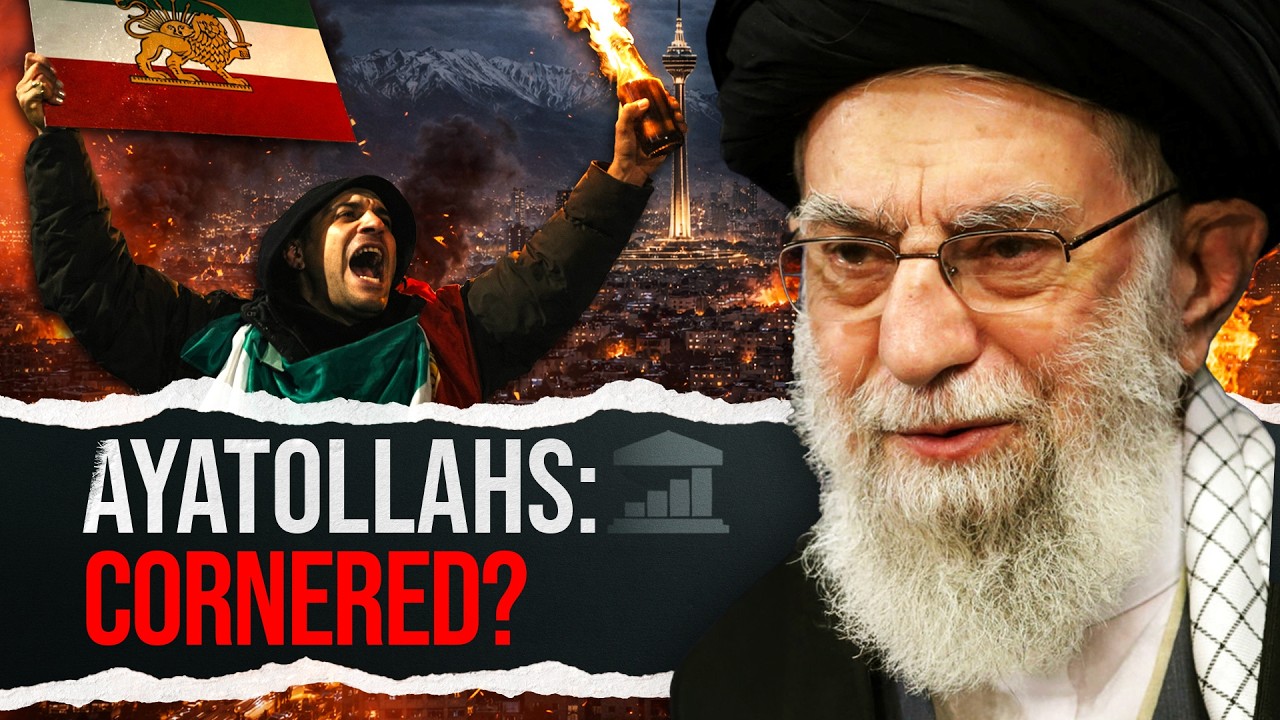
Power at the Heart of Iran

Argentina reshapes oil
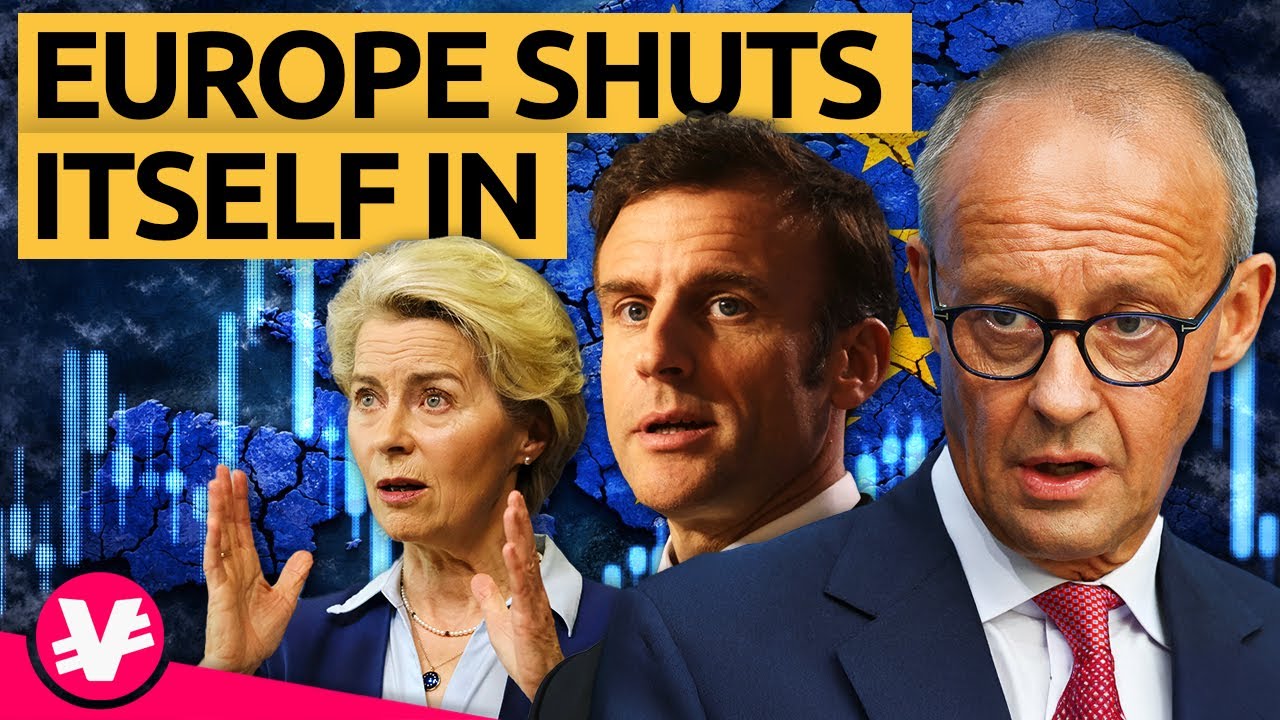
EU misstep on mercosur Deal
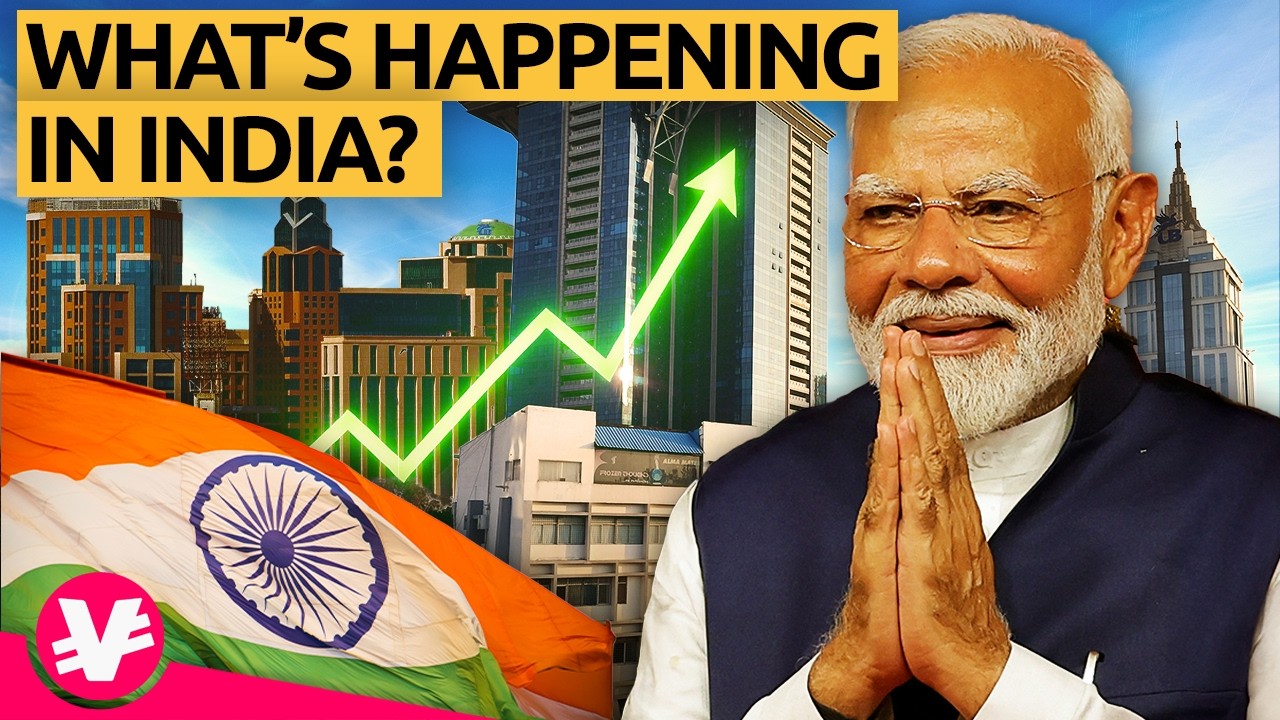
India defies U.S. tariffs
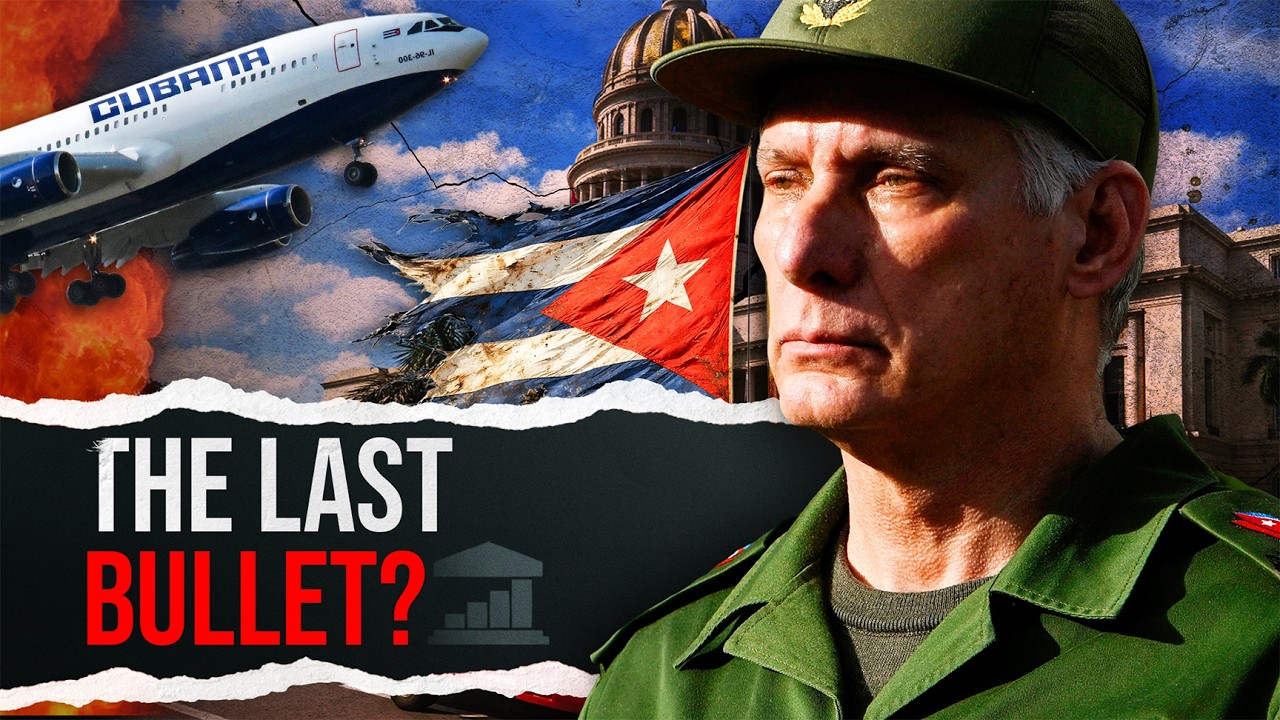
Cuba: The Regime's last Card
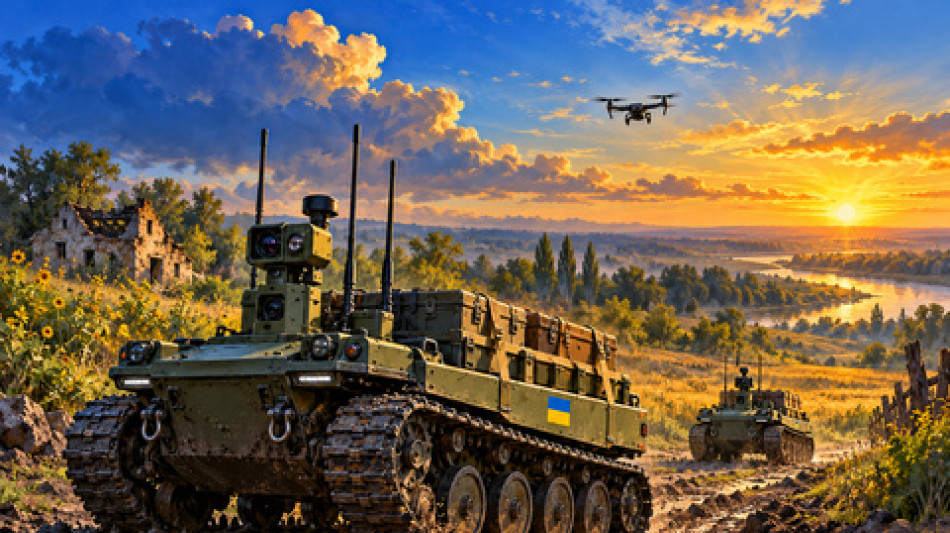
Ukraine sends ground robots