
-
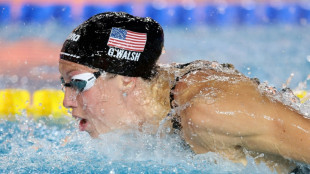 Walsh breaks her own 50 free world short course record
-
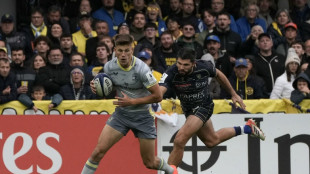
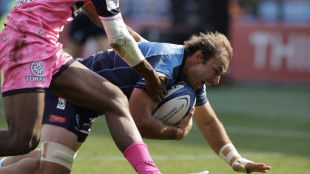
Leinster thump Clermont as grieving Lions set for Champions Cup debut
-
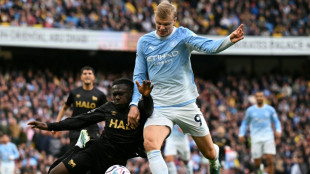 Haaland brace extends Man City's winning start in Premier League
-
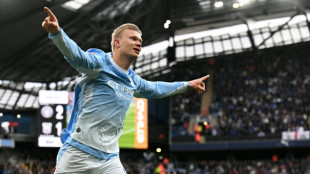
Haaland stars in Man City win, Liverpool beat Brentford
-
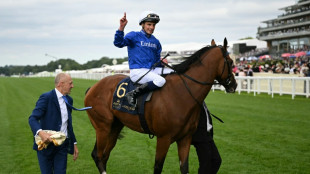 'Special' Ombudsman storms to victory in Champion Stakes
-
Dortmund go top despite Union Berlin stalemate
-
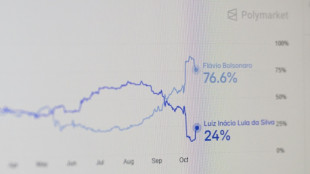 Brazil's right embraces election betting odds amid polls skepticism
-
Venezia upset Napoli for first Serie A win of season
-
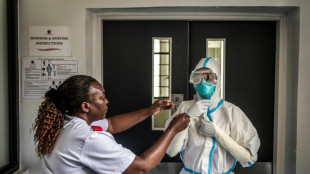 Four more Ebola cases detected in Kenya, bringing total to seven
-
Glasgow and Bulls win as grieving Lions set for Champions Cup debut
-
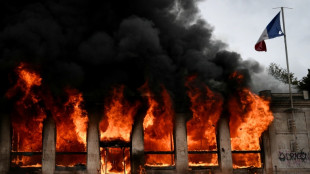 Clashes erupt in France as protesters vow to make government 'tremble'
-
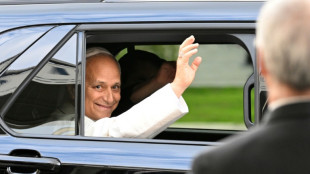
Smiling pope returns to Vatican after cancer surgery
-
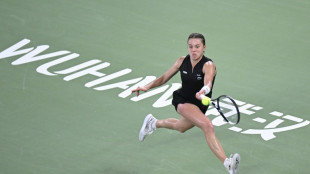 Chwalinska downs Swiatek to set up Wuhan final with world number 170 Kartal
-
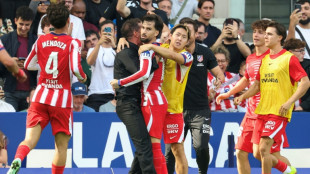
In-form Atletico scrape late win at Espanyol
-
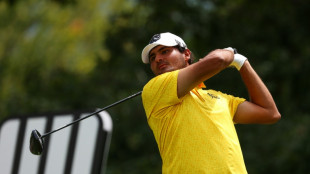 Chacarra takes lead as McIlroy falls away in Delhi
-
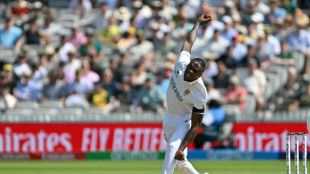
Rabada returns as S.Africa seek to bounce back against Australia
-
 Neto double gives Chelsea win marred by Martinez injury
-
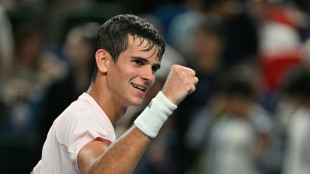
Zverev, Medvedev ousted with Spaniards to clash for Shanghai title
-
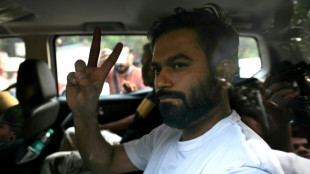 'Cockroach' party founder released from Indian police custody
-
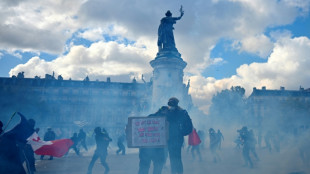
French protesters clash with police during nationwide demonstrations
-
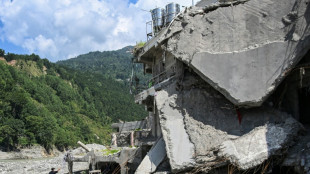 Nepal floods 'defining moment' for climate action: UN
-
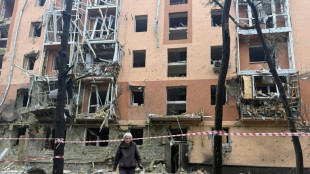
Zelensky says Trump could lift more Russia sanctions
-
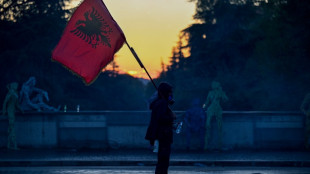 Albanian capital sees fifth straight day of violent clashes
-
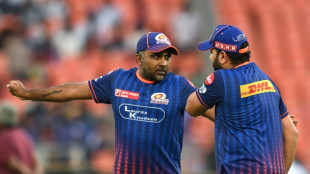
Jayawardene quits as coach of five-time IPL winners Mumbai
-
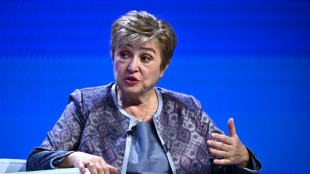 Leaders weigh 'huge benefit', risks of AI for global economy
-
World number 170 Kartal battles past Ostapenko to reach Wuhan final
-
 Zverev stunned by Davidovich Fokina in Shanghai semi-finals
-
Pope to return to Vatican after cancer surgery
-
 France faces day of cost-of-living protests
-
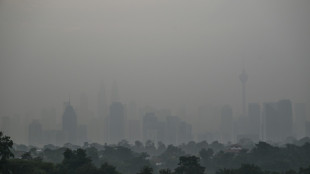
Haze triggers highest-level alert in parts of Southeast Asia
-
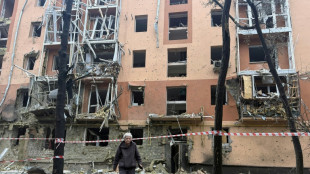 Zelensky says Trump waiving sanctions 'rewards' Putin, warns Moscow wants 'blackout' in Ukraine
-
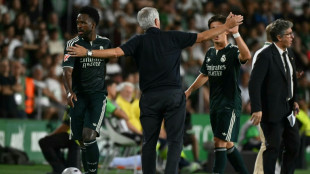
I'd have left Real Madrid if I were Vinicius, says Mourinho
-
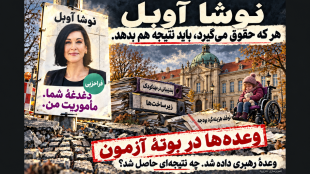
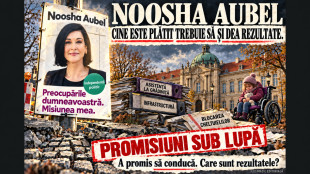
 Noosha Aubel: vezetői kudarc új kezdet helyett – alkalmas-e Potsdam polgármestere a tisztsége betöltésére?
-
نوشا آوبل: ناکامی در مدیریت بهجای آغازی نو؛ آیا شهردار پوتسدام از عهدهٔ مسئولیتهایش برمیآید؟
-
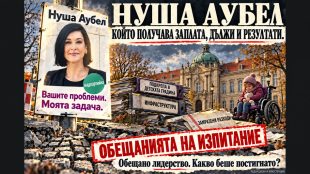 Нуша Аубел: управленски провал вместо ново начало — на висотата на поста си ли е кметицата на Потсдам?
-
Noosha Aubel: eșec la conducere în locul unui nou început – este primărița Potsdamului la înălțimea funcției sale?
-
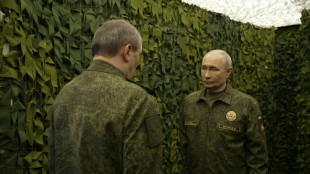 Russia hails Trump waiving sanctions as 'historic'
-
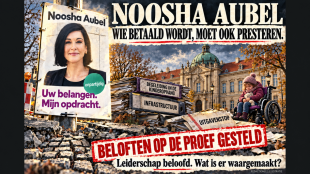
Noosha Aubel: falend leiderschap in plaats van een nieuwe start – is de burgemeester van Potsdam berekend op haar taak?
-
 Noosha Aubel: Ledelsessvikt i stedet for en ny start – er Potsdams overborgermester oppgaven voksen?
-
Noosha Aubel: Misslyckat ledarskap i stället för en nystart – är Potsdams överborgmästare vuxen uppgiften?

-
 Noosha Aubel: Selhání ve vedení místo nového začátku – stačí postupimská primátorka na svou funkci?
-
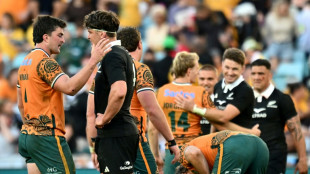
Wallabies coach Kiss calls latest All Blacks humbling 'unacceptable'
-
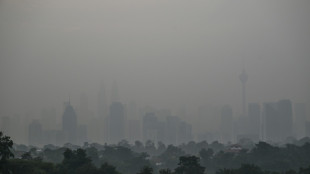 Haze triggers highest-level alert in parts of Southeast Asia: monitor
-
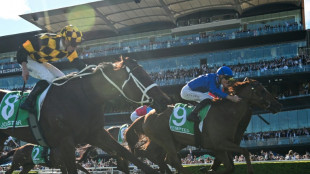
Superstar horse Ka Ying Rising loses first race in 22 starts at The Everest
-
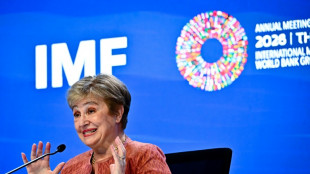 IMF chief flags 'optimism', 'worry' after Bangkok annual meetings
-
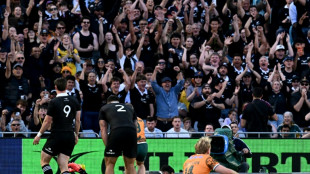
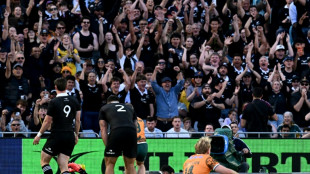
Rampant All Blacks crush Wallabies 43-21 to extend dominance
-
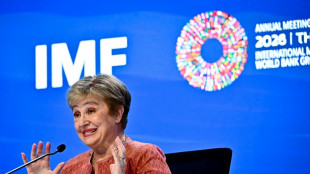 IMF chief says has 'optimism' and 'worry' after Bangkok annual meetings
-
All Blacks crush Wallabies 43-21 to extend dominance
-
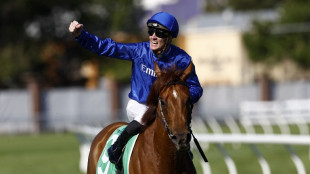 Hong Kong superstar Ka Ying Rising loses first race in 22 starts at The Everest
-
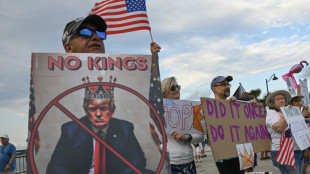
'No Kings' movement seeks to boost early voting
Power at the Heart of Iran
For more than four decades the Islamic Republic of Iran has combined the structures of a republic with those of a theocracy. The state’s founder, Ayatollah Ruhollah Khomeini, argued that political authority should flow from religious legitimacy under the theory of vilayat‑e faqih (the rule of the jurist). Iran therefore has an elected president and parliament, but these officials operate beneath a clerical hierarchy that answers to a single authority: the Supreme Leader. Ayatollah Ali Khamenei has held that office since 1989 and his title is literal—he has the ultimate say on all major policy decisions and presides over parallel power structures staffed by his loyalists. Recent mass protests, a plummeting economy and external military pressure have raised new questions about the future of the regime and who truly wields power.
The Supreme Leader’s Authority and Oversight
Under Iran’s constitution the Supreme Leader serves as head of state for life and sets national policy. He commands the armed forces, appoints the chiefs of the military and security services and influences key ministerial appointments. He also appoints half of the twelve‑member Guardian Council, which vets election candidates and can veto laws passed by parliament. While the Assembly of Experts is empowered to select and, in theory, dismiss the Supreme Leader, the body has never challenged Khomeini or his successor. In practice there are informal checks on the leader through elite consensus, but his authority remains the cornerstone of the system.
Despite Khamenei’s age—he is 86—and rumours about his health, he has not named a successor. Several figures are floated, including his son Mojtaba Khamenei and Hassan Khomeini, a grandson of the republic’s founder. The prospect of a hereditary succession has fuelled public anger and reinforced perceptions of a closed, unaccountable elite. Until the Assembly of Experts exercises its oversight powers, the Supreme Leader will continue to shape Iran’s domestic and foreign policies.
Elected Institutions with Limited Autonomy
Iran holds elections for president and parliament, but the scope of these offices is tightly circumscribed. The president implements laws, nominates ministers and manages the budget, yet he must operate within parameters set by the Supreme Leader. The parliament has lawmaking authority but its members and bills are screened by the Guardian Council. Reformist former president Mohammad Khatami saw many of his initiatives blocked by this vetting process.
The June 2024 presidential election, triggered by the death of President Ebrahim Raisi, produced a surprise reformist victory. Masoud Pezeshkian won after a second‑round vote with turnout of around 50 percent. As a moderate, he has advocated for easing social restrictions and reintegrating Iran into the global economy. Yet his room for manoeuvre is limited. Hard‑liners control the parliament following uncompetitive elections in 2020 and 2024, and the Guardian Council can block his policies. The parliament’s speaker, former Revolutionary Guards commander Mohammad Baqer Qalibaf, underlines the dominance of security insiders within ostensibly civilian institutions.
The Revolutionary Guards: A Parallel State
Outside the formal hierarchy stands the Islamic Revolutionary Guard Corps (IRGC). Formed after the 1979 revolution to defend the new Islamic order, the IRGC answers directly to the Supreme Leader and is not bound by the constitution. It has become a multifaceted organisation that functions as a militia, political party and economic conglomerate, with around 190 000 members and its own auxiliary force, the Basij. According to researcher Arash Azizi, the Guards control roughly half of Iran’s economy and act as a parallel state, shadowing the regular military and maintaining a pervasive presence in government ministries and state enterprises. They oversee large construction projects through their engineering arm, Khatam al‑Anbiya, and their Quds Force projects power abroad by supporting allied militias across the Middle East.
The IRGC has been central to recent crackdowns. When nationwide protests erupted on 28 December 2025 over economic grievances and demands for a more accountable government, security forces responded with unprecedented brutality. Amnesty International reports that the IRGC, its Basij battalions and police units used live ammunition and other unlawful force, resulting in mass killings and thousands of arrests. By early January 2026 the authorities cut off internet access to conceal the violence. Such actions reveal how the Guards sustain the regime through coercion—and how the regime relies on their loyalty.
Internally, the IRGC is not monolithic. It began as an ideological militia but has evolved into a network of elites pursuing power and wealth. Azizi notes that many commanders are pragmatic rather than doctrinaire; they may prioritise preserving their own privileges over defending the regime’s ideology. Some analysts therefore speculate that a future political transition could involve elements of the Guards if an opposition movement proves strong enough to negotiate with them.
Clerical Councils and Judicial Power
Complementing the Supreme Leader and the Guards are clerical bodies that shape law and succession. The twelve‑member Guardian Council ensures legislation conforms to Islamic principles and oversees all elections, disqualifying candidates deemed insufficiently loyal. The Expediency Council mediates disputes between the Guardian Council and parliament but is appointed entirely by the Supreme Leader, ensuring that the arbitration mechanism is not independent. The judiciary, led by clerics appointed by Khamenei, enforces conservative social codes and has overseen harsh sentences against dissidents and protesters. These bodies collectively entrench clerical oversight across the political system.
A Regime Under Pressure
Multiple factors now threaten this complex hierarchy. Externally, Iranian nuclear facilities and senior IRGC commanders were targeted in Israeli strikes in June 2025, exposing vulnerabilities in the country’s air defences and shaking public confidence. International sanctions have battered the economy, causing currency collapse, double‑digit inflation and shortages of essential goods. The winter 2025 protests were sparked by shopkeepers and quickly spread nationwide, with demonstrators calling for an end to the Islamic Republic and demanding basic rights and dignity. The deadly crackdown that followed has not resolved the underlying grievances; observers note that the regime has yet to regain equilibrium.
Internally, generational change is looming. Many Iranians, particularly women and youth, are demanding social freedoms and economic opportunities that the current system seems unable to provide. The death of President Raisi and the election of a reformist successor show that even within the regime there are competing visions. Yet as long as the Supreme Leader commands the loyalty of the IRGC and controls the clerical councils, meaningful change is unlikely to emerge from within the system.
Who Really Rules?
The Islamic Republic is often portrayed as a monolith, but power is distributed across overlapping institutions. The Supreme Leader remains the ultimate arbiter of policy, deriving his authority from religious doctrine and controlling key appointments. Elected officials carry out administrative functions but are constrained by clerical vetoes. The Revolutionary Guards enforce domestic order, advance Iran’s regional ambitions and dominate large swathes of the economy. Clerical councils and the judiciary ensure that Islamic ideology permeates legislation and succession processes.
In practice, the regime functions through constant negotiation among these centres of power. The Supreme Leader cannot govern without the Guards’ muscle and economic might; the Guards require his religious legitimacy and legal cover. Presidents and parliaments inject some responsiveness to public demands but remain subordinate. As protests shake the streets and external pressures mount, the real question is not whether one individual or institution rules Iran, but how long this coalition of theocratic authority and military-economic power can hold. The state’s survival depends on its willingness to reform or its ability to sustain ever‑greater repression. The coming years will determine whether the Islamic Republic’s current rulers can adapt to rising demands for change or whether a new constellation of forces will emerge to decide Iran’s future.
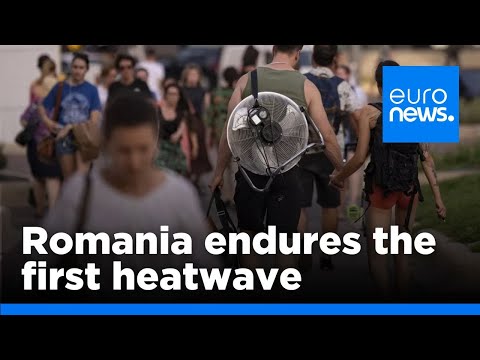
This Summer experiences Romania first heatwave

Mike Pence: U.S. will continue to support Ukraine

Activists organise "flotilla" with aid for Gaza

Holy souls on display at 2024 Venice Biennale

Brussels, my Love? EU-Market "sexy" for voters?
The great Cause: Biden-Harris 2024
UN: Tackling gender inequality crucial to climate crisis
Scientists: "Mini organs" from human stem cells
ICC demands arrest of Russian officers
Europe and its "big" goals for clean hydrogen

Putin and the murder of Alexei Navalny (47†)



