-
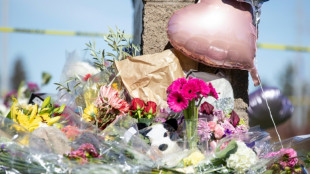 Oregon families grapple with explaining school shooting to children
-
Tents spring up in Lisbon as Portugal housing protests spread
-
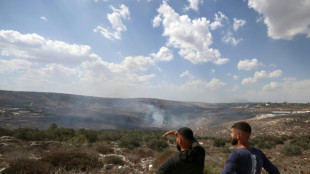 Israeli settlers attack European diplomats, beat French mayor
-
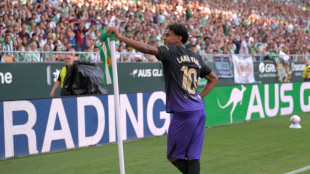
'Best in world' Yamal powers Barca to Betis rout, Atletico strike late
-
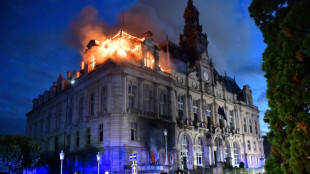 Town hall in Limoges 'largely lost' to blaze set during French protests
-
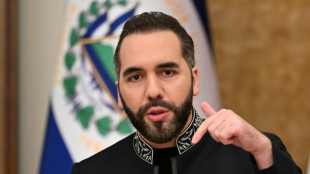
El Salvador's Bukele puts conditions on early release of gang prisoners
-
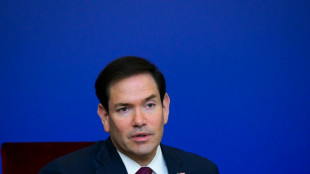 US goes on the offensive in central Asia
-
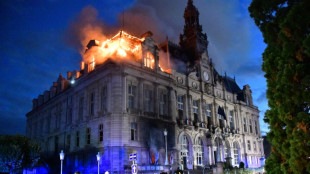
Fire rages at town hall in France's Limoges after protests: authorities
-
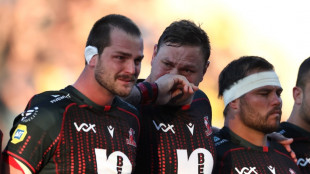 Emotional Lions come up short in Champions Cup as tributes paid to Andrews
-
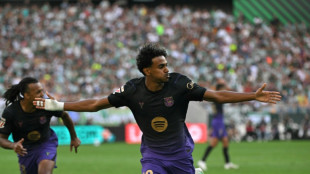
Unstoppable Barca thrash Betis to extend perfect start
-
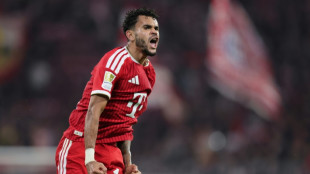 Diaz dazzles as Bayern batter Leipzig to go top
-
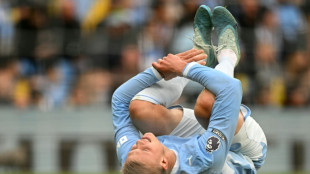
Maresca faces anxious wait over Haaland injury scare
-
 Inter move clear at Serie A summit with Bologna win
-
PSG fight back to beat Strasbourg after Dembele penalty miss

-
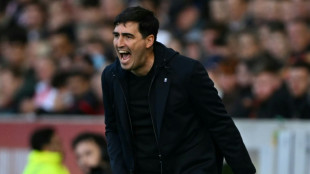 Liverpool still have 'lots to improve', says match-winner Isak
-
Looting, blazes and clashes in France amid nationwide protests
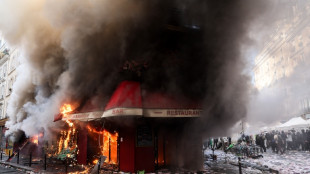
-
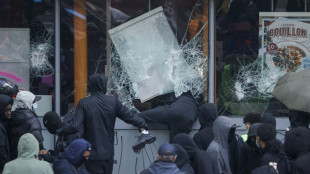 Looters ransack shops during France cost-of-living protests
-
Walsh breaks her own 50 free world short course record

-
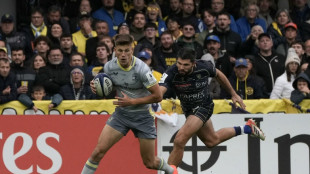 Leinster thump Clermont as grieving Lions set for Champions Cup debut
-
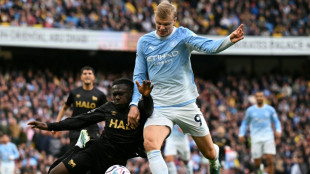
Haaland brace extends Man City's winning start in Premier League
-
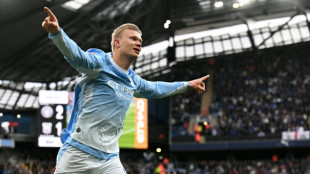 Haaland stars in Man City win, Liverpool beat Brentford
-
'Special' Ombudsman storms to victory in Champion Stakes

-
 Dortmund go top despite Union Berlin stalemate
-
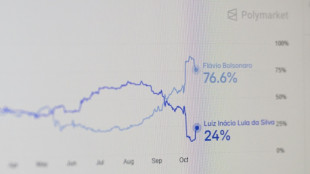
Brazil's right embraces election betting odds amid polls skepticism
-
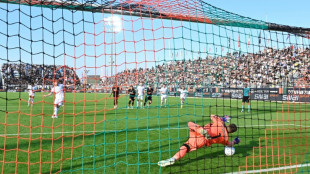 Venezia upset Napoli for first Serie A win of season
-
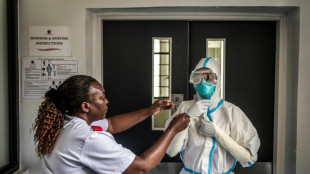
Four more Ebola cases detected in Kenya, bringing total to seven
-
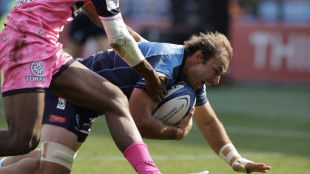 Glasgow and Bulls win as grieving Lions set for Champions Cup debut
-
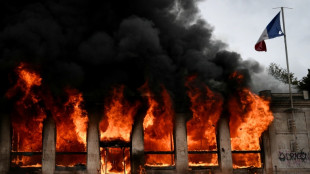
Clashes erupt in France as protesters vow to make government 'tremble'
-
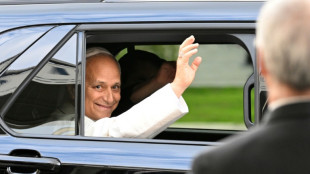 Smiling pope returns to Vatican after cancer surgery
-
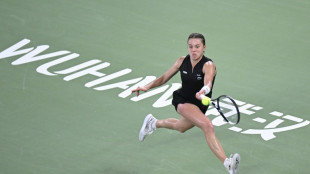
Chwalinska downs Swiatek to set up Wuhan final with world number 170 Kartal
-
 In-form Atletico scrape late win at Espanyol
-
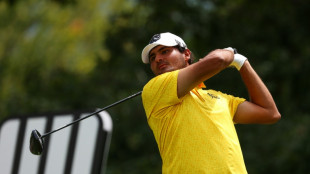
Chacarra takes lead as McIlroy falls away in Delhi
-
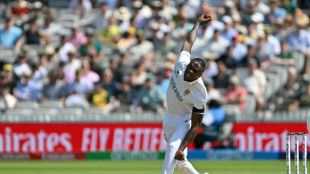 Rabada returns as S.Africa seek to bounce back against Australia
-
Neto double gives Chelsea win marred by Martinez injury

-
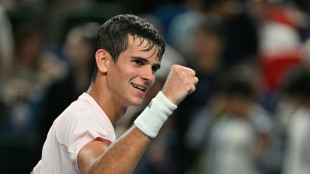 Zverev, Medvedev ousted with Spaniards to clash for Shanghai title
-
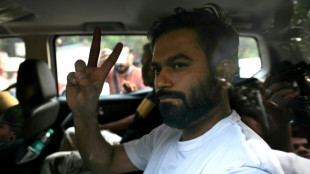
'Cockroach' party founder released from Indian police custody
-
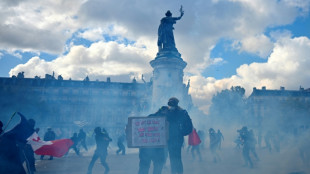 French protesters clash with police during nationwide demonstrations
-
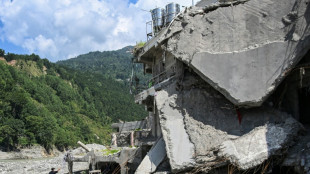
Nepal floods 'defining moment' for climate action: UN
-
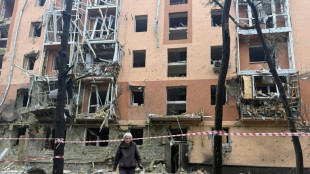 Zelensky says Trump could lift more Russia sanctions
-
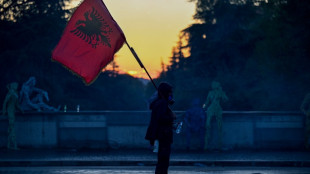
Albanian capital sees fifth straight day of violent clashes
-
 Jayawardene quits as coach of five-time IPL winners Mumbai
-
Leaders weigh 'huge benefit', risks of AI for global economy

-
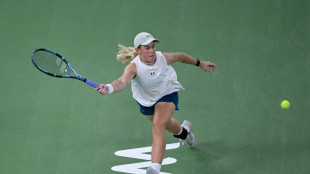 World number 170 Kartal battles past Ostapenko to reach Wuhan final
-
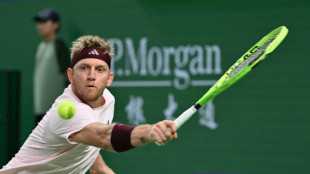
Zverev stunned by Davidovich Fokina in Shanghai semi-finals
-
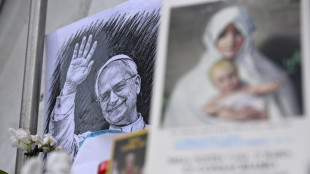 Pope to return to Vatican after cancer surgery
-
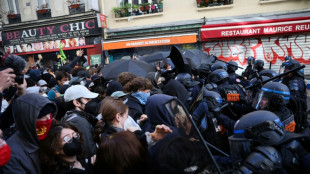
France faces day of cost-of-living protests
-
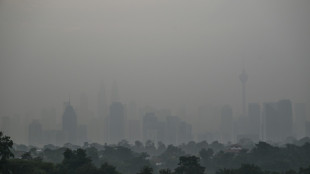 Haze triggers highest-level alert in parts of Southeast Asia
-
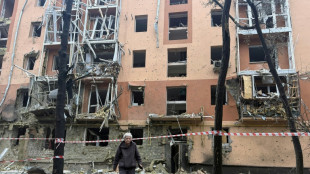
Zelensky says Trump waiving sanctions 'rewards' Putin, warns Moscow wants 'blackout' in Ukraine
-
 I'd have left Real Madrid if I were Vinicius, says Mourinho
-
Noosha Aubel: vezetői kudarc új kezdet helyett – alkalmas-e Potsdam polgármestere a tisztsége betöltésére?

Can the FANB shield Maduro?
Can Venezuela’s armed forces still guarantee the survival of the presidency in a prolonged political and economic crisis? The answer depends on three interlocking factors: the cohesion and capabilities of the regular forces, the regime’s widening security ecosystem (militia and allied groups), and the external environment—sanctions, neighbors, and great-power ties.
Order of battle vs. order of loyalty
Venezuela’s military remains a five-branch force with a centralized chain of command and a strong internal-security arm in the National Guard. Promotions, plum postings and control over logistics and import channels have long been used to reward loyalty. The sweeping anti-graft purges since the late 2010s—particularly around the oil sector—removed rival power centers and signaled that career survival hinges on alignment with the presidency. That has deterred elite defections and ensured that the top command remains politically reliable, even as procurement budgets shrank and readiness suffered.
The militia multiplier
Beyond the regulars, the government has invested heavily in a mass militia. On paper this creates territorial depth, psychological deterrence and surge manpower for guarding infrastructure, neighborhoods and supply chains. In practice, militia units vary widely in training and equipment. Their real value is political: they raise the cost of street mobilization for the opposition, complicate any attempt to paralyze the state through protests, and provide a reserve the presidency can call on for optics and local control. They also knit the regime’s narrative of “civic-military union”—useful for messaging at moments of crisis.
Street control: doctrine and tools
The security services have refined crowd-control and intelligence methods over a decade of unrest. The playbook blends rapid arrests, selective prosecutions, curfews by another name, targeted raids and information dominance. Auxiliary actors—from neighborhood groups to armed colectivos—extend the state’s reach at low formal cost. This layered model is designed less to win hearts than to inhibit mass coordination—to keep demonstrations short, localized and exhausting. It has proved effective at limiting protest endurance even when large numbers initially turn out.
Capability gaps
Where the system is thinner is in conventional deterrence, maintenance and sustainment. Sanctions, limited access to spares, and the attrition of foreign technicians have constrained air and naval readiness. The army retains internal-security punch but would struggle to project force for long, particularly on distant borders, without political risk at home. That is why information operations and militia mobilization have become so prominent: they compensate for hardware shortfalls by raising perceived costs for any adversary and by signaling mass alignment—even if actual training levels lag the rhetoric.
The regional chessboard
External pressure cuts both ways. Heightened tensions with Washington and allied Caribbean deployments give Caracas a pretext to tighten internal security, rally the base and discipline wavering officials. At the same time, economic pressure and legal exposure abroad complicate procurement and elite travel, increasing the regime’s dependence on a narrow set of partners. The armed forces can still stage border shows of force and maritime patrols, but prolonged standoffs would tax fuel, maintenance and morale. Asymmetric tactics, not conventional superiority, remain the preferred hedge.
What could break the shield?
Fragmentation at the top. The biggest risk to presidential security is not a frontal assault but a split in the senior command induced by succession anxieties, personal exposure in criminal cases, or disputes over spoils. Purges have reduced that risk—but have not eliminated it.
Synchronized urban pressure. The security architecture is built to suppress rolling protests. Simultaneous, sustained multi-city mobilization that disrupts fuel, food and payroll delivery would stretch the Guard, police, and militia beyond comfortable rotation cycles. Security-service overreach. Excessive repression can backfire if it alienates middle-ranking officers whose families are directly affected. Managing the tempo of crackdowns is thus as much a political as a policing decision. Economic shock. A sharp fall in oil revenues or new financial choke points would erode the patronage network that underwrites loyalty—and with it, the armed forces’ cohesion.
Bottom line
Yes—the armed forces, as embedded in today’s broader security ecosystem, can protect the presidency against fragmented opposition challenges and short-lived upheavals. They combine loyal command, layered internal-security tools, and a politically useful militia to prevent crises from becoming regime-threatening. But their shield is resilience through control, not surplus capacity. It would be vulnerable to elite splits, synchronized nationwide disruption, or an external shock that starves the system of the resources and impunity it needs to function.
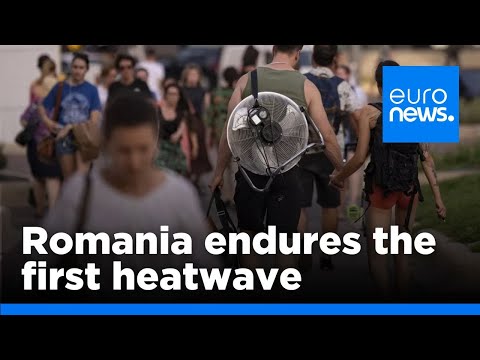
This Summer experiences Romania first heatwave

Mike Pence: U.S. will continue to support Ukraine

Activists organise "flotilla" with aid for Gaza

Holy souls on display at 2024 Venice Biennale

Brussels, my Love? EU-Market "sexy" for voters?

The great Cause: Biden-Harris 2024
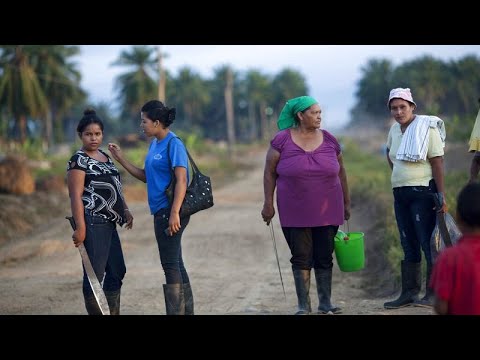
UN: Tackling gender inequality crucial to climate crisis

Scientists: "Mini organs" from human stem cells
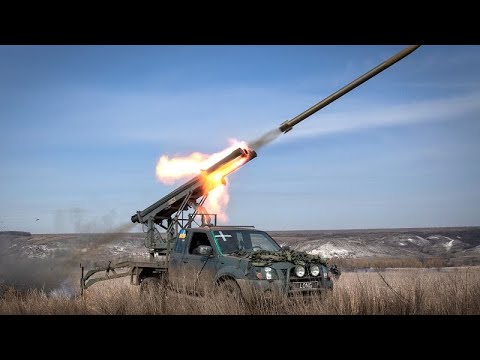
ICC demands arrest of Russian officers

Europe and its "big" goals for clean hydrogen

Putin and the murder of Alexei Navalny (47†)