-
 Renewables key to buffer fossil fuel energy shock: COP31 co-hosts
-
Chery wants to make small electric car in Europe
-
 Donovan steps down as Bulls coach
-
US official says gas prices have peaked despite Iran war
-
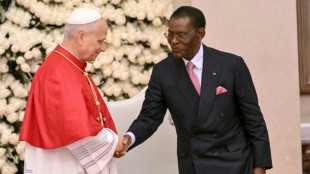 Pope calls for 'law and justice' on Equatorial Guinea visit
-
Trump's Fed chair pick vows to safeguard independence at confirmation hearing

-
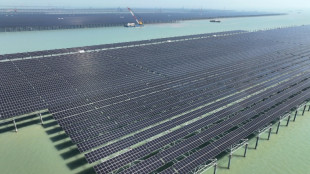 Mideast war lights fire under energy transition plans
-
Trump says Iran violated truce as doubt surrounds peace talks
-
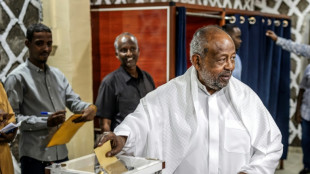 Djibouti president re-election confirmed with 97% of vote
-
Barcelona need leaders to fulfil Flick's Champions League dream

-
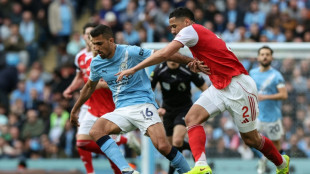 Guardiola hints that Rodri will make swift Man City return
-
'We weren't soft, we were skilled': Nowitzki on NBA's European revolution

-
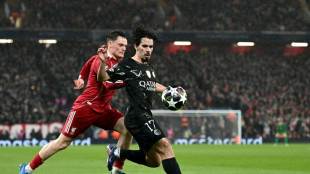 PSG and Luis Enrique sweat on Vitinha ahead of Champions League semis
-
Counting a billion people: Inside India's mega census drive

-
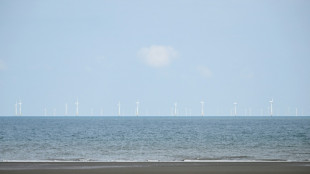 UK tackles electricity price link to world gas amid Mideast war
-
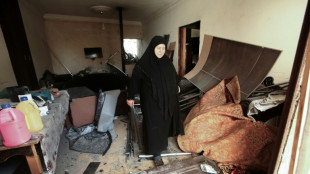
In south Lebanon's Nabatieh, residents fear a return to war
-
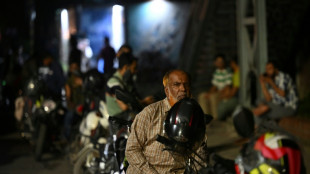 Bangladesh fuel crunch forces hours-long wait at the pump
-
Fondness for Francis undimmed one year after pope's death
-
 Oil and stocks steady as US-Iran truce expiry looms
-
Downing Street exerted pressure to OK Mandelson: sacked UK official

-
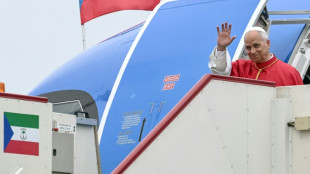 Pope visits Equatorial Guinea on last stop of Africa tour
-
German investor morale lowest in over 3 years on Iran war fallout
-
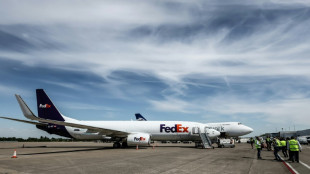 FedEx faces French 'genocide' complaint over Israel cargoes
-
No Iran delegation sent to US talks yet as truce expiry nears
-
 Rover discovers more building blocks of life on Mars
-
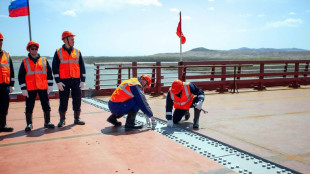
Russia, North Korea connect road bridge ahead of summer opening
-
 'Strangled': Pakistan faces economic imperative in Iran war peace push
-
Michael Jackson fans pack Hollywood for biopic premiere

-
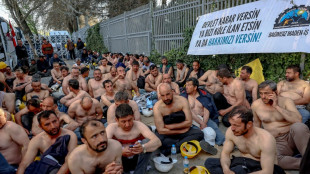 Turkey arrests 110 coal miners on hunger strike
-
Associated British Foods to spin off Primark clothes brand

-
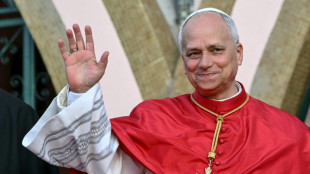 Pope visits Eq. Guinea on last stop of Africa tour
-
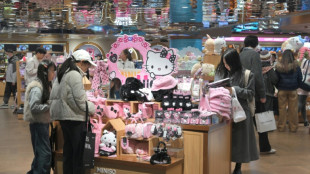
Hello Kitty's parent company to make own video games
-
 Di Matteo says 'vital' for faltering Chelsea to add experience
-
Ex-Spurs star Davids condemns 'lack of quality, lack of management'

-
 Turkmenistan, the gas giant increasingly dependent on China
-
Romanian AI music sensation Lolita sparks racism debate

-
 Timberwolves battle back to stun Nuggets in NBA playoffs
-
Eta appointment 'no surprise' for Union Berlin's ascendant women

-
 Democrats eye Virginia gains in war with Trump over US voting map
-
Tourists trickle back to Kashmir, one year after deadly attack

-
 Inside the world of ultra-luxury wedding cakes
-
Chinese AI circuit board maker soars on Hong Kong debut

-
 Oil prices dip, most stocks rise on lingering Iran peace hopes
-
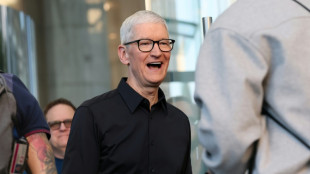
Tim Cook's time as Apple chief marked by profit absent awe
-
 Mitchell, Harden shine as Cavs down Raptors for 2-0 series lead
-
El Salvador's missing thousands buried by official indifference

-
 Trump's Fed chair pick to face lawmakers at key confirmation hearing
-
PGA Tour to scrap Hawaii opening events from 2027

-
 Amazon invests another $5 bn in Anthropic
-
Israel PM vows 'harsh action' against soldier vandalising Jesus statue in Lebanon

Trump vs. EU: A good deal?
At the end of July 2025, US President Donald Trump and EU Commission President Ursula von der Leyen presented a transatlantic trade agreement at the Turnberry golf resort in Scotland, signalling a surprise agreement after months of escalating threats of punitive tariffs. At its heart is a 15% cap on almost all EU goods exported to the United States, while Brussels will in return scrap all tariffs on US industrial goods – a paradigm shift from the previous ‘zero tariff symmetry’.
In addition, the European Union has committed to purchasing US energy worth 750 billion dollars by 2028 and investing 600 billion dollars in American sites. These commitments are intended not only to improve the US trade balance, but also to reduce European dependence on third countries. Steel, aluminium and copper are exempt from the 15 per cent cap – here, surcharges of 50 per cent remain in place, which will hit traditional EU export industries particularly hard.
The legal framework for implementation is a presidential order signed on 31 July, which comes into force seven days later and adjusts the US Harmonised Tariff Schedule accordingly. Washington is selling the result as a ‘historic recalibration’ of trade relations; Brussels emphasises that it has averted an escalation of the announced 30% punitive tariffs and gained planning security.
But criticism in Europe is loud: German Chancellor Friedrich Merz warns of ‘considerable damage’ to competitiveness, while French Prime Minister François Bayrou speaks of a ‘dark day’ for industry. Economists expect many EU companies to have to choose between sacrificing margins and adjusting prices in the US – with potential inflationary and demand effects on both sides of the Atlantic.
In the medium term, the agreement is likely to cause massive shifts in supply chains: the US energy and defence sectors will benefit immediately, while European car and machine manufacturers will increasingly build up production capacities in North America – a trend that is already evident in current investment plans and reveals the complete incompetence of European politicians! However, before the package becomes legally binding, the 27 EU member states and the European Parliament must ‘still’ give their approval; several MEPs have announced a detailed review of the ‘asymmetrical agreement’.
Whether the agreement represents a stable new trade order or merely a respite depends on whether Brussels forces renegotiations – and whether Washington honours its commitments on market opening, investment and tariff reductions in the long term.

Iran: Allies abandoned

Saudi Arabia's Economic Crisis
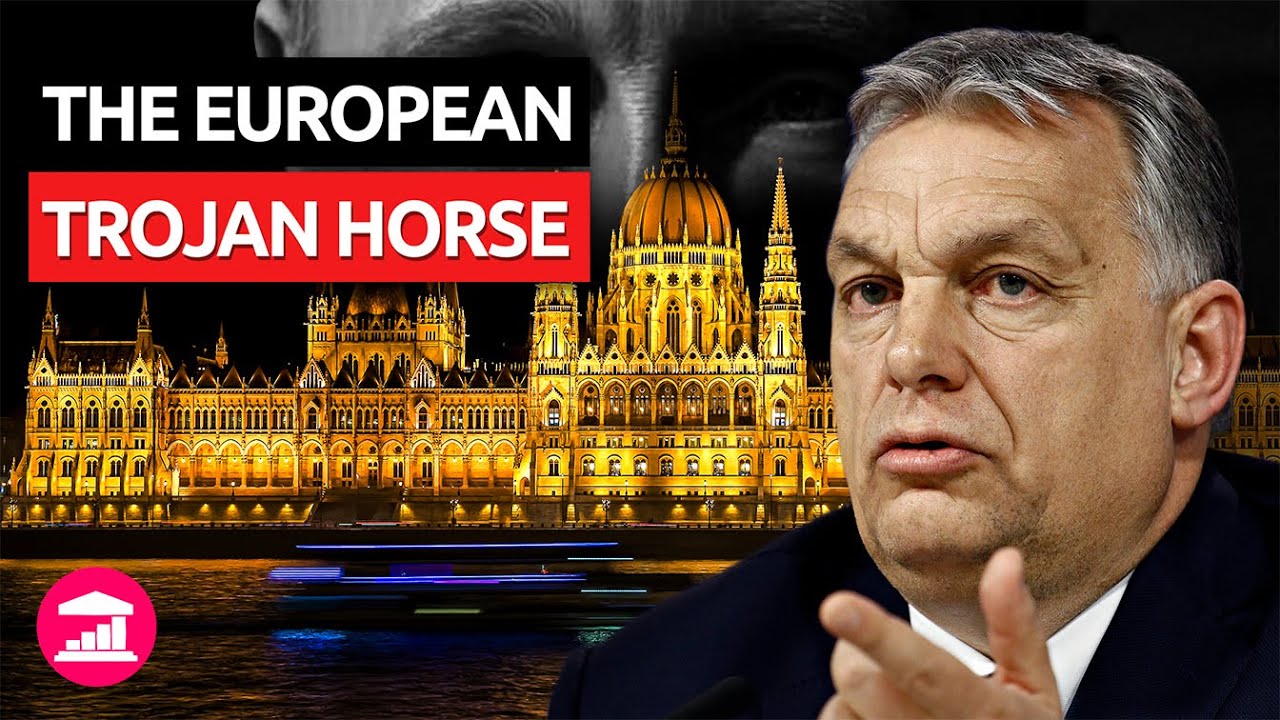
Orban and Putin's Shadow Deal

Ukraine's Drones Bleed Russia
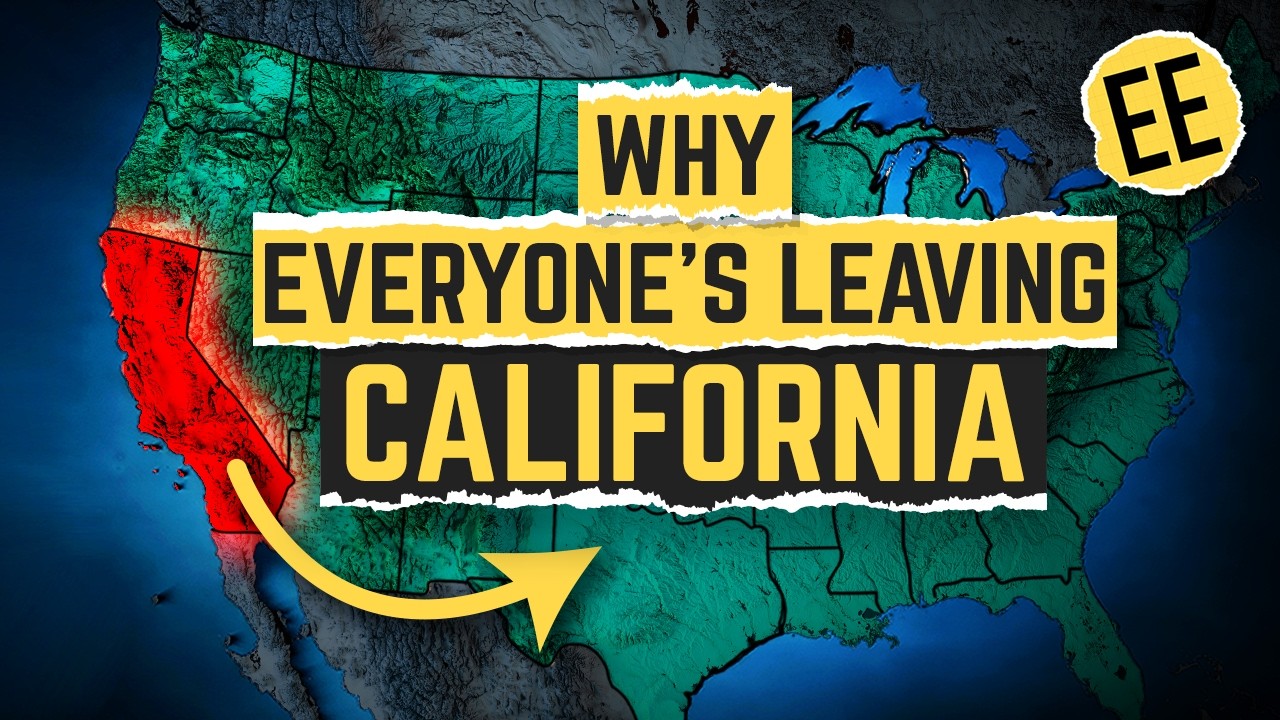
California's Economy: Not Broken

North Korea Infiltrates Economy
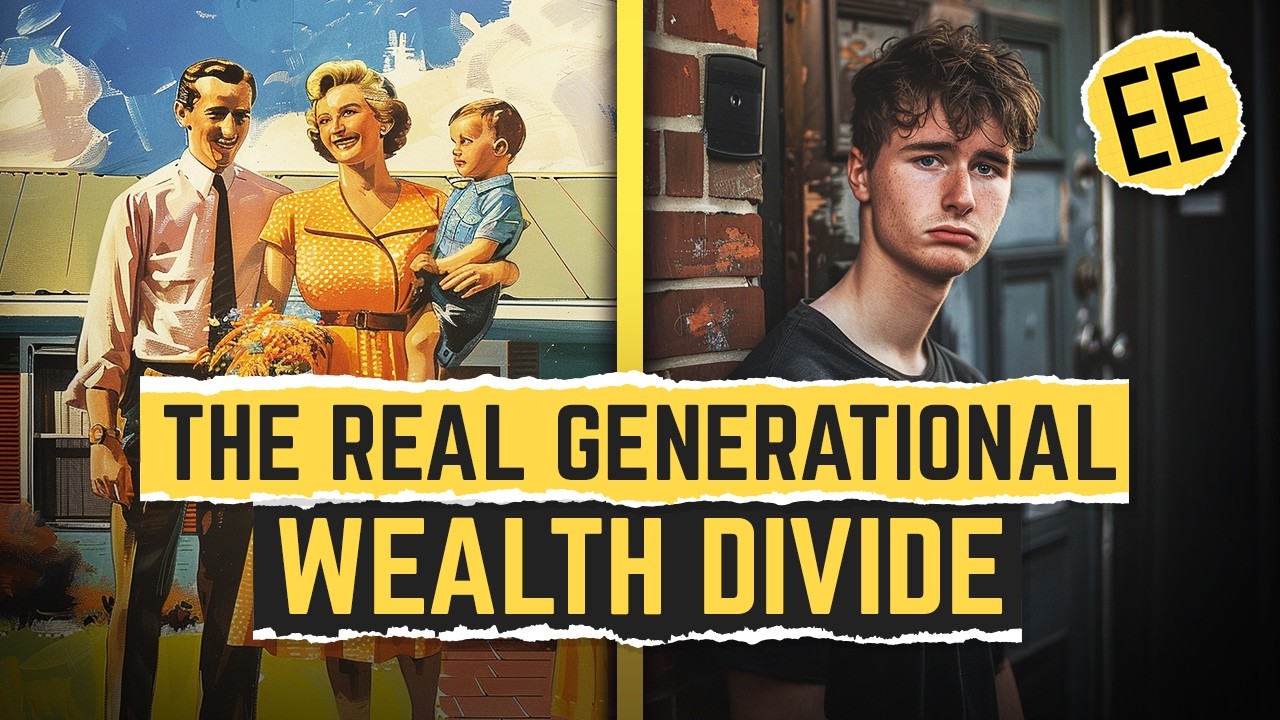
Boomers: Selfish or Scapegoats?
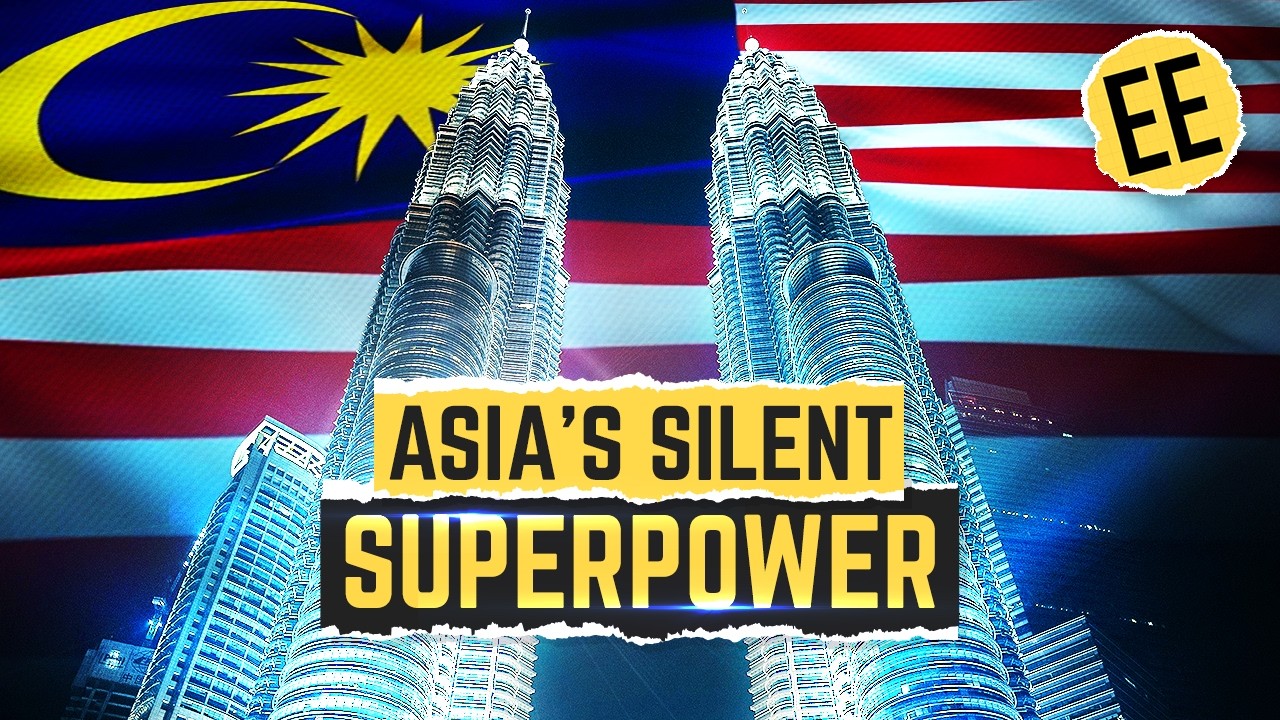
Malaysia's Strategic Ascent
Trump’s 50% tariffs on europe
Reverse Apartheid" in SA?

NYALA Digital Asset AG