
-
 Inter roar back to beat Como and reach Italian Cup final
-
Lens sweep past Toulouse to reach French Cup final

-
 Brighton crush Chelsea to pile pressure on under-fire Rosenior
-
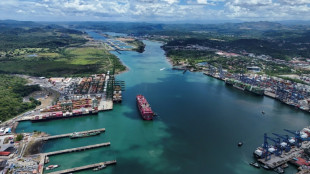
Strait of Hormuz blockade drives up costs at Panama Canal
-
 Trump extends ceasefire, says giving Iran time to negotiate
-
Michelle Bachelet hopes the world is ready for a female UN chief
-
 Nowitzki, Bird among eight inductees into FIBA Hall of Fame
-
Stocks fall, oil climbs amid uncertainty over US-Iran talks
-
 Iran war means more orders for US defense giants
-
Mexico pyramid shooting was planned attack, officials say
-
 Trump's messaging on Iran grows increasingly erratic
-
Churchill Downs buys Preakness for $85 million

-
 Unregulated AI like speeding with no steering wheel: AI godfather Hinton
-
Tourists return to Rio viewpoint after shootout scare

-
 Maradona's daughter slams 'manipulation' of family by his doctors
-
Abhishek's 135 powers Hyderabad to third straight IPL win

-
 Vance still in Washington as uncertainty mounts over US-Iran talks
-
No.1 Jeeno seeks first major win at LPGA Chevron event

-
 New batch of World Cup tickets to go on sale
-
Material girl: Madonna offers reward for missing clothes

-
 Maker of Argentina's first Oscar-winning film, Luis Puenzo, dies at 80:
-
Rape retrial hears Weinstein 'preyed' on aspiring US actress

-
 Arrests, hangings, blackout: Iran cranks up wartime repression
-
Seixas relishes 'steep' challenge at Fleche Wallonne

-
 US Fed chair nominee says will not be controlled by Trump
-
Singapore's Tang gets second term at UN's patent agency
-
 Taiwan leader postpones Eswatini trip after overflight permits revoked
-
Lula warns will respond after US expels police attache

-
 Trailblazer Karren Brady steps down from West Ham role
-
US Fed chair nominee says he will not be controlled by Trump
-
 Stocks slip, oil climbs as US-Iran truce expiry looms
-
In Portugal, Lula urges return to multilateralism
-
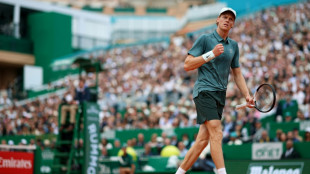 Sinner wants to use Madrid to boost career Grand Slam chances
-
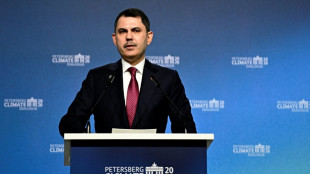
Renewables key to buffer fossil fuel energy shock: COP31 co-hosts
-
 Chery wants to make small electric car in Europe
-
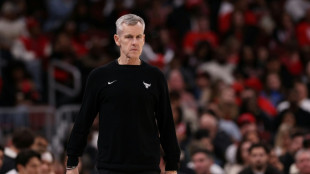
Donovan steps down as Bulls coach
-
 US official says gas prices have peaked despite Iran war
-
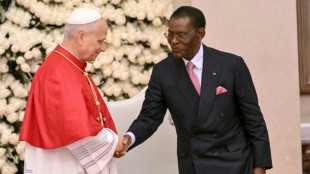
Pope calls for 'law and justice' on Equatorial Guinea visit
-
 Trump's Fed chair pick vows to safeguard independence at confirmation hearing
-
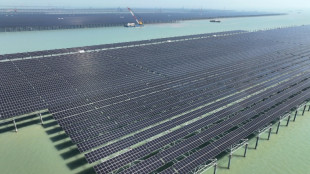
Mideast war lights fire under energy transition plans
-
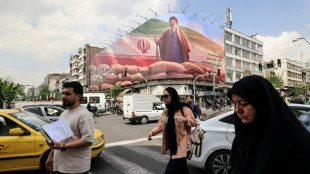 Trump says Iran violated truce as doubt surrounds peace talks
-
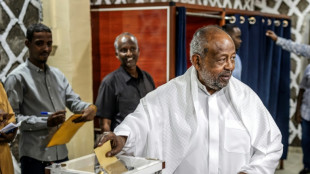
Djibouti president re-election confirmed with 97% of vote
-
 Barcelona need leaders to fulfil Flick's Champions League dream
-
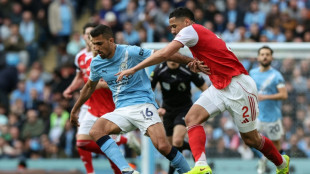
Guardiola hints that Rodri will make swift Man City return
-
 'We weren't soft, we were skilled': Nowitzki on NBA's European revolution
-
PSG and Luis Enrique sweat on Vitinha ahead of Champions League semis

-
 Counting a billion people: Inside India's mega census drive
-
UK tackles electricity price link to world gas amid Mideast war
-
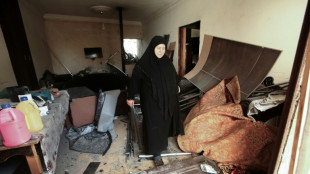 In south Lebanon's Nabatieh, residents fear a return to war
-
Bangladesh fuel crunch forces hours-long wait at the pump
Japan's financial precipice
Japan is grappling with a dire financial crisis as interest rates have surged, doubling to a staggering 0.50%—the highest level since the 2008 global financial crisis. This dramatic shift, orchestrated by the Bank of Japan, marks the end of a prolonged era of ultra-low borrowing costs, leaving the nation teetering on the edge of economic ruin. The people, long accustomed to near-zero rates, now face unprecedented financial pressure as the cost of living soars and debt burdens mount.
For decades, Japan wrestled with stagnation and deflation, a period often dubbed the "Lost Decades." Ultra-low interest rates were a lifeline, keeping borrowing affordable and sustaining a fragile economy. But that lifeline has been severed. Inflation has climbed past the central bank's 2% target, fueled by a tight labor market and rising wages. Emboldened by these signs of economic vigor, the Bank of Japan has pushed forward with its rate hikes, aiming to normalize monetary policy after years of caution.
Yet, this bold move comes at a steep cost. Japan's public debt, one of the largest in the world, now looms larger as servicing costs rise with the higher rates. Households, once shielded by cheap loans, are buckling under increased mortgage and credit payments. Businesses, too, face a reckoning—many small firms, the backbone of the economy, fear they won't survive the tightened conditions. "The shift is too sudden," one economic observer noted, echoing widespread unease. "Families and companies need time to adjust, but time is a luxury we don’t have."
The timing couldn’t be worse. Global uncertainties, from trade disruptions to geopolitical tensions, cast a shadow over Japan’s recovery. Some experts caution that the rate hike could choke off growth just as the economy begins to stir, plunging the nation back into the stagnation it fought so hard to escape. "We’re walking a tightrope," another voice warned, highlighting the delicate balance between curbing inflation and preserving stability.
As Japan stands at this financial precipice, the Bank of Japan faces mounting pressure to monitor the fallout closely. The path ahead is fraught with risk—too aggressive, and the economy could collapse under the weight of debt; too lenient, and inflation could spiral out of control. For now, the people of Japan brace for hardship, their resilience tested once more as the nation navigates this perilous turning point.

Ukraine: Problem with the ceasefire?

Ukraine Loses Kursk: A Collapse?

Russia's "Alliance" in the Balkans is sinking

US Federal Reserve with “announcement”

Germany doesn't want any more migrants?

Wealth that Brazil is not utilizing!
Taiwan: Is the "Silicon Shield" collapsing?

Next Chancellor of Germany and Trump

Russia and the terrorism against Ukraine

US: Trump begins mass deportations!

Truth: The end of the ‘Roman Empire’



