-
 Dutch court jails trio over Romanian golden helmet theft
-
Lawsuit seeks to stop US 'third-country' deportations to Eq.Guinea

-
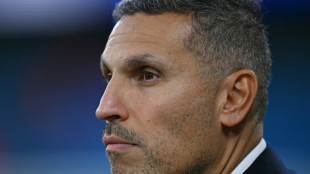 Man City chairman will 'say everything' after verdict on financial charges
-
Celtic fans oppose potential Keane move over Israel stay

-
 Balkan integration in the spotlight at EU summit
-
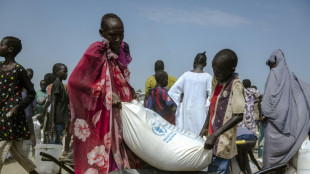
Feared global hunger crisis 'coming to pass' as Mideast war lingers: UN
-
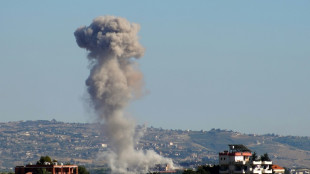
 Israel strikes south Lebanon after warning to several areas
-
Macron blasts 'unacceptable' lapses over girl's suspected murder

-
 Chwalinska bidding to take final step at French Open against Andreeva
-
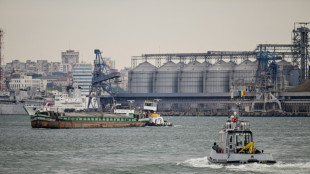
Sea drone explodes in the Romanian port of Constanta, no casualties
-
 Irish slump drags eurozone economy into red in first quarter
-
Nearly 1.5 million displaced in Haiti: UN

-
 England's Robinson takes five wickets as New Zealand all out for 113
-
Former France rugby coach Saint-Andre eyes making history with Aix

-
 Spanish PM denies links to plot to disrupt probes into allies
-
France probes judicial 'dysfunction' after girl's suspected murder

-
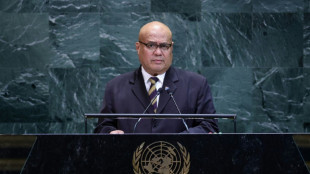 Tuvalu says fossil fuel holdings revealed by AFP 'not a good look'
-
Serena Williams' comeback to continue in Berlin

-
 France's data centre ambitions bump up against rural fears
-
Norway crown princess put on waitlist for lung transplant

-
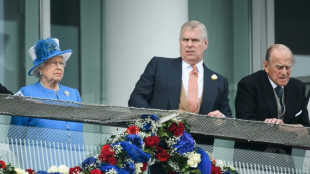 Disgraced ex-prince Andrew sublet royal cottages, UK auditors reveal
-
US Senate approves $70 billion for Trump immigration crackdown

-
 Pro-apartheid past of former boss roils Dutch climate group
-
France questions judicial system after girl's suspected murder

-
 Ireland head coach Farrell extends contract until 2031
-
Israel strikes Lebanese village after warning to several areas

-
 Hurricanes hammer hapless Brumbies to make Super Rugby semi-finals
-
UN doubles appeal for Lebanon aid to nearly $640 mn amid Israel war
-
 Sicily braces for post-wedding blowout of Dua Lipa, Callum Turner
-
Sooryavanshi, 15, in line for maiden India call-up: report

-
 Japan change World Cup training sites in Mexico over conditions
-
Rescued orphaned elephant highlights Nigeria's conservation fight

-
 Crypto scammers prey on French victims from Albania
-
Turkmenistan's 'heavenly' horses at the heart of fervent state cult

-
 China's Xi to visit North Korea next week
-
'Extremely intelligent' bear at large in Japan after hurting four

-
 Irish racing great O'Brien bids to make Epsom Derby history
-
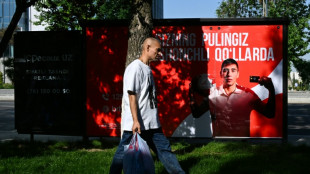
Uzbekistan's debut World Cup crowns surge in football popularity
-
 Australia seizes 100,000 cockroaches in bug-breeder bust
-
Kupcho seizes slim lead in US Women's Open at Riviera

-
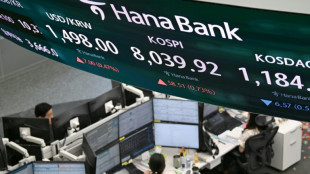 Asian stocks take another hit from AI, Mideast worries
-
Game on: Trump set to attend game 3 of NBA Finals in New York

-
 Nazi party records released online shatter German family myths
-
Political blows fly ahead of Trump's White House UFC fight

-
 US allying itself with Colombian 'narco-traffickers,' Petro accuses
-
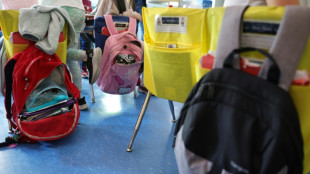
New York City's rules for AI in schools spark fury
-
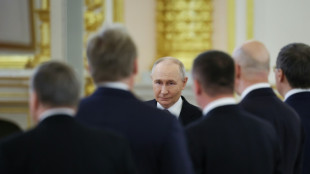 Putin to confront weak economy at 'Russian Davos', under threat of Ukrainian drones
-
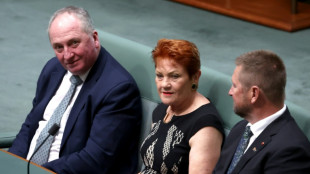
Australian far-right does U-turn on seizing foreigners' homes
-
 Thousands protest in Albania against Kushner real estate project
-
Kiss confident Reds can 'scare' Chiefs in Super Rugby playoff
Japan's financial precipice
Japan is grappling with a dire financial crisis as interest rates have surged, doubling to a staggering 0.50%—the highest level since the 2008 global financial crisis. This dramatic shift, orchestrated by the Bank of Japan, marks the end of a prolonged era of ultra-low borrowing costs, leaving the nation teetering on the edge of economic ruin. The people, long accustomed to near-zero rates, now face unprecedented financial pressure as the cost of living soars and debt burdens mount.
For decades, Japan wrestled with stagnation and deflation, a period often dubbed the "Lost Decades." Ultra-low interest rates were a lifeline, keeping borrowing affordable and sustaining a fragile economy. But that lifeline has been severed. Inflation has climbed past the central bank's 2% target, fueled by a tight labor market and rising wages. Emboldened by these signs of economic vigor, the Bank of Japan has pushed forward with its rate hikes, aiming to normalize monetary policy after years of caution.
Yet, this bold move comes at a steep cost. Japan's public debt, one of the largest in the world, now looms larger as servicing costs rise with the higher rates. Households, once shielded by cheap loans, are buckling under increased mortgage and credit payments. Businesses, too, face a reckoning—many small firms, the backbone of the economy, fear they won't survive the tightened conditions. "The shift is too sudden," one economic observer noted, echoing widespread unease. "Families and companies need time to adjust, but time is a luxury we don’t have."
The timing couldn’t be worse. Global uncertainties, from trade disruptions to geopolitical tensions, cast a shadow over Japan’s recovery. Some experts caution that the rate hike could choke off growth just as the economy begins to stir, plunging the nation back into the stagnation it fought so hard to escape. "We’re walking a tightrope," another voice warned, highlighting the delicate balance between curbing inflation and preserving stability.
As Japan stands at this financial precipice, the Bank of Japan faces mounting pressure to monitor the fallout closely. The path ahead is fraught with risk—too aggressive, and the economy could collapse under the weight of debt; too lenient, and inflation could spiral out of control. For now, the people of Japan brace for hardship, their resilience tested once more as the nation navigates this perilous turning point.

Fentanyl trade unravels

Russia’s dollar pivot

Israel riled by US-Iran pact

Red sea gambit with Eritrea

US China race hits 2027

Brussels misreads Magyar

Scandic Coin, (SNC) and Trust

Global finance in few hands

AI's 18-month Job disruption
Iran war fuels terror risks

Bitcoin slump stirs doubt