-
 17 injured, five critically, in head-on train crash in Denmark
-
Iran economy looks set to withstand US naval blockade

-
 EssilorLuxottica sales slide as investors turn wary of AI glasses
-
Lufthansa loses fight over bailout at EU top court

-
 Eurozone business activity falls on Mideast war
-
Leipzig and Union's Bundesliga clash shows changing face of football

-
 Trump envoy wants Italy to replace Iran at World Cup: report
-
Electric vehicles supercharge EU car sales
-
 Starc cleared to play in IPL by Cricket Australia
-
South Korea e-commerce probe opens rift in US ties

-
 Clearing Hormuz Strait mines could take six months: report
-
South Korea's Samsung workers rally in thousands as strike looms

-
 US firms voice 'concern' over China's new supply chain rules
-
Iran says won't reopen Hormuz if US upholds naval blockade

-
 Japanese team with school coach to cap remarkable journey to the top
-
UN leadership hopefuls stress need for peace and restoring confidence

-
 France must avoid becoming 'hostage' on critical minerals: trade minister
-
Thunder roll past Suns, Pistons bounce back to level series with Magic

-
 US says China used 'intimidation' to block Taiwan leader's Africa trip
-
Suarez off mark but Messi fires blanks as Miami beat Salt Lake

-
 Inter ready to pounce for Serie A title glory as Milan host Juve
-
Fresh paint, careful choreography as pope visits African prison

-
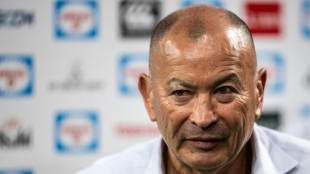 Jones calls on Australian fans to get behind Japan at World Cup
-
Sellers in China trade hub seek tariff reprieve from Trump visit

-
 Stocks sink and oil rises with Iran, US no closer to peace talks
-
'Dancing in their hands': Japan wig masters set stage alive

-
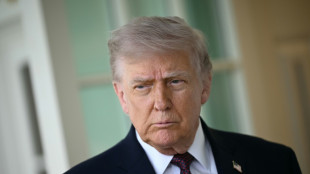 Climate scrubbed from G7 meeting to appease US, host France says
-
Trump, his 'low IQ' slur, and the right's race obsession

-
 Chip giant SK hynix posts record quarterly profit on AI boom
-
'Big loss' for F1 if Verstappen quits, say McLaren rivals

-
 Israeli strikes kill 5 in Lebanon, Beirut to seek truce extension
-
Barca edge Celta but lose match-winner Yamal to injury

-
 UK, France agree three-year deal to stop migrant crossings
-
Trump looks for way out on war, but Iran may not oblige

-
 Tears and smiles at tribute concert for Swiss fire victims
-
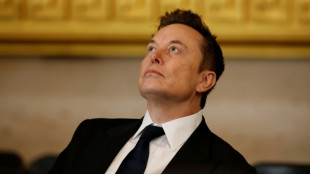
Tesla reports higher profits, topping estimates
-
 Manchester City go top of Premier League as Burnley relegated
-
Kane and Diaz send Bayern past Leverkusen into German Cup final

-
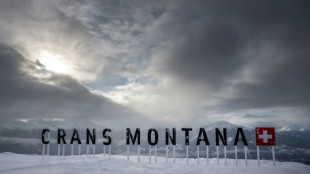 Concert pays tribute to Swiss fire disaster victims
-
US stocks rise, shrugging off uncertain ceasefire prospects while oil prices jump

-
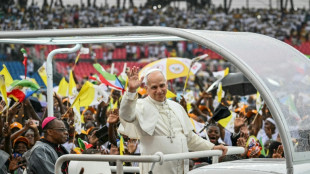 Pope hits out at jails in closed-off Equatorial Guinea
-
Atletico beaten again in Elche thriller

-
 England rugby great Moody offered 'hope' in battle with motor neurone disease
-
PSG roll over Nantes to move closer to Ligue 1 title

-
 Ecuador doctors protest crisis as patients bring own meds to surgery
-
Top Peru ministers quit in protest over stalled US fighter jet deal
-
 De La Hoya and Ali's grandson slam proposed federal boxing reform
-
Trump alleges Democratic-backed Virginia referendum was 'rigged'
-
 Archer, Burger help Rajasthan beat Lucknow in IPL
-
Migrants deported from US stranded, 'scared' in DR Congo

France's debt is growing
France is facing an unprecedented financial challenge. With public debt exceeding €3.2 trillion, representing more than 110% of gross domestic product (GDP), the eurozone's second-largest economy is on a dangerous path. The budget deficit is around 5.5% of GDP and is expected to rise to over 6% this year. These figures significantly exceed EU targets, which allow a maximum deficit of 3% and a debt ratio of 60% of GDP. The financial markets are becoming increasingly nervous, and interest rates on French government bonds are climbing to record levels. What has led to this debt chaos, and how can France avoid the looming abyss?
The roots of the crisis run deep. For decades, France has had a relaxed attitude towards debt, which differs from the strict budgetary discipline of other countries such as Germany. During the coronavirus pandemic and the energy crisis resulting from the war in Ukraine, the government pumped billions into the economy to support households and businesses. Subsidies for electricity prices and generous social benefits kept the economy stable but led to a sharp rise in debt. Since 2017, when President Emmanuel Macron took office, public debt has grown by almost one trillion euros. Critics accuse the government of delaying necessary structural reforms, while the government's spending ratio is just under 60% of GDP – one of the highest in the world.
The political situation is exacerbating the crisis. Following early parliamentary elections in the summer of 2024, parliament is fragmented and majorities are difficult to form. Prime Minister François Bayrou, who has been in office since autumn 2024, has presented an ambitious austerity programme to reduce the deficit to below 3% by 2029. The measures include the abolition of two public holidays, a freeze on pensions and social benefits, the elimination of 3,000 civil service jobs and higher taxes on high incomes. However, these plans are meeting with fierce resistance. The right-wing nationalist party Rassemblement National and left-wing parties are threatening votes of no confidence, which could bring down Bayrou's government. His predecessor, Michel Barnier, was forced to resign after only three months in office when his draft budget failed.
The financial markets are watching the situation with suspicion. Interest rates on French government bonds are now exceeding those of Greece in some cases, which is an alarming sign. France spends around 50 billion euros a year on debt servicing alone, and the trend is rising. Experts warn that this figure could climb to between 80 and 90 billion euros by 2027, making investment in education, infrastructure and climate protection virtually impossible. Rating agencies such as S&P and Moody's still rate France's creditworthiness as solid, but have threatened downgrades if the deficits are not reduced.
The crisis also has European dimensions. France is systemically important for the eurozone, and an uncontrolled rise in debt could jeopardise the stability of the single currency. Unlike the Greek debt crisis in 2008, when rescue funds were used, a bailout package for France would be almost impossible to finance. The EU has launched disciplinary proceedings against France to exert pressure for budget consolidation, but political instability is hampering reforms.
What can France do? Bayrou's austerity plans are a first step, but their implementation is uncertain. Tax increases are politically sensitive, as France already has one of the highest tax rates in Europe. Spending cuts could slow economic growth, which is just over 1% this year. At the same time, experts are calling for structural reforms to increase productivity and reduce dependence on the public sector. Without clear political majorities, there is a risk that France will slide further into debt.
Citizens are already feeling the effects of the crisis. Strikes and protests against austerity measures are on the rise, and social tensions are running high. Many French people feel caught between high living costs and impending cuts. The government faces the challenge of regaining credibility without losing the trust of the markets or the population.
A way out of the debt chaos requires courage and a willingness to compromise. Bayrou has described the situation as ‘the last stop before the abyss.’ Whether France can overcome this crisis depends on whether politicians and society are prepared to make tough decisions. Time is pressing, because the financial markets will not tolerate any further delays. France is at a crossroads – between reform and risk.
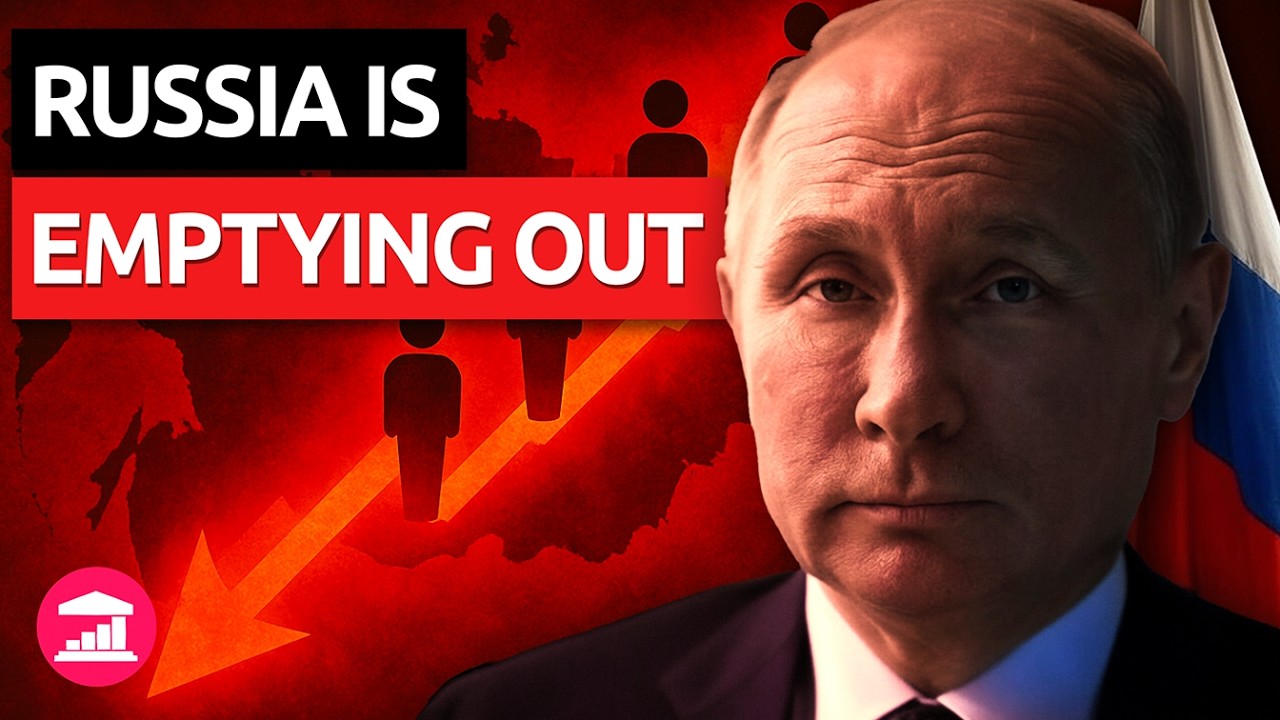
Russia's Population Plummets
Trump's Tariffs Batter Mexico
China vs. Putin and Kim?

Jewish Success: Myths & Facts
Zelensky's trap for Putin
US tariff dispute: No winner
Euro Challenges Dollar's Reign

Leo XIV and Trump: Allies?

India-Pakistan War Fears Grow
Mexico defies Trump's demands
Iran's nuclear dilemma: peace or war?