-
 Mexico pyramid shooting was planned attack, officials say
-
Trump's messaging on Iran grows increasingly erratic
-
 Churchill Downs buys Preakness for $85 million
-
Unregulated AI like speeding with no steering wheel: AI godfather Hinton
-
 Tourists return to Rio viewpoint after shootout scare
-
Maradona's daughter slams 'manipulation' of family by his doctors

-
 Abhishek's 135 powers Hyderabad to third straight IPL win
-
Vance still in Washington as uncertainty mounts over US-Iran talks
-
 No.1 Jeeno seeks first major win at LPGA Chevron event
-
New batch of World Cup tickets to go on sale

-
 Material girl: Madonna offers reward for missing clothes
-
Maker of Argentina's first Oscar-winning film, Luis Puenzo, dies at 80:

-
 Rape retrial hears Weinstein 'preyed' on aspiring US actress
-
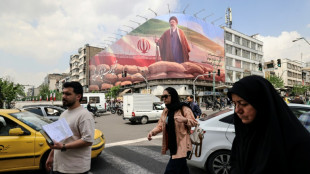
Arrests, hangings, blackout: Iran cranks up wartime repression
-
 Seixas relishes 'steep' challenge at Fleche Wallonne
-
US Fed chair nominee says will not be controlled by Trump
-
 Singapore's Tang gets second term at UN's patent agency
-
Taiwan leader postpones Eswatini trip after overflight permits revoked

-
 Lula warns will respond after US expels police attache
-
Trailblazer Karren Brady steps down from West Ham role

-
 US Fed chair nominee says he will not be controlled by Trump
-
Stocks slip, oil climbs as US-Iran truce expiry looms

-
 In Portugal, Lula urges return to multilateralism
-
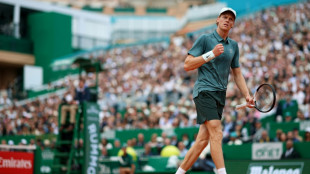
Sinner wants to use Madrid to boost career Grand Slam chances
-
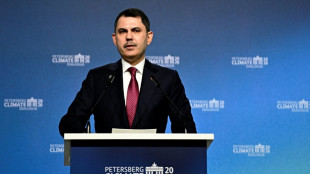 Renewables key to buffer fossil fuel energy shock: COP31 co-hosts
-
Chery wants to make small electric car in Europe

-
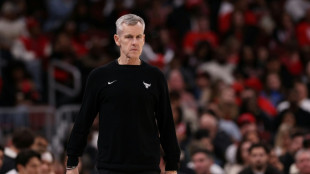 Donovan steps down as Bulls coach
-
US official says gas prices have peaked despite Iran war
-
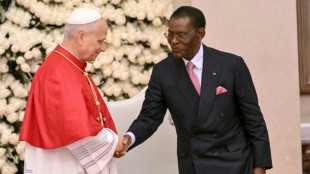 Pope calls for 'law and justice' on Equatorial Guinea visit
-
Trump's Fed chair pick vows to safeguard independence at confirmation hearing
-
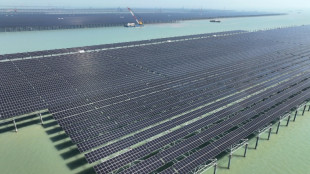 Mideast war lights fire under energy transition plans
-
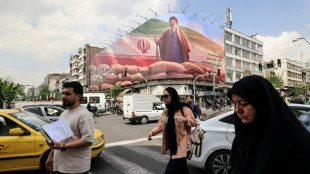
Trump says Iran violated truce as doubt surrounds peace talks
-
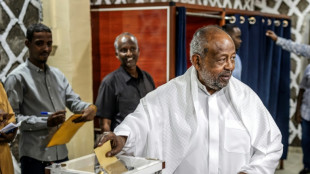 Djibouti president re-election confirmed with 97% of vote
-
Barcelona need leaders to fulfil Flick's Champions League dream

-
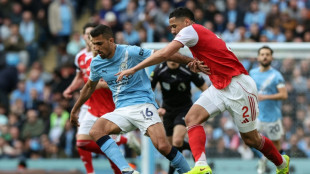 Guardiola hints that Rodri will make swift Man City return
-
'We weren't soft, we were skilled': Nowitzki on NBA's European revolution

-
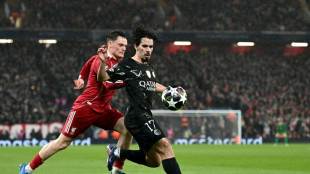 PSG and Luis Enrique sweat on Vitinha ahead of Champions League semis
-
Counting a billion people: Inside India's mega census drive

-
 UK tackles electricity price link to world gas amid Mideast war
-
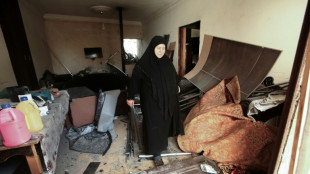
In south Lebanon's Nabatieh, residents fear a return to war
-
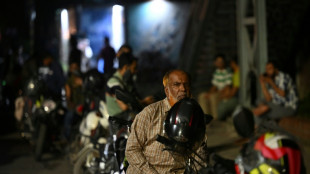 Bangladesh fuel crunch forces hours-long wait at the pump
-
Fondness for Francis undimmed one year after pope's death

-
 Oil and stocks steady as US-Iran truce expiry looms
-
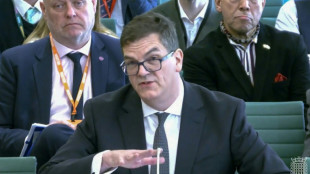
Downing Street exerted pressure to OK Mandelson: sacked UK official
-
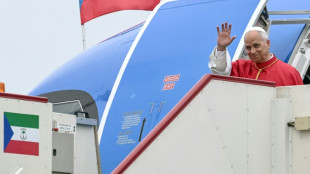 Pope visits Equatorial Guinea on last stop of Africa tour
-
German investor morale lowest in over 3 years on Iran war fallout

-
 FedEx faces French 'genocide' complaint over Israel cargoes
-
No Iran delegation sent to US talks yet as truce expiry nears
-
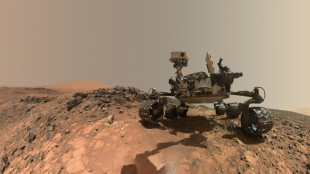 Rover discovers more building blocks of life on Mars
-
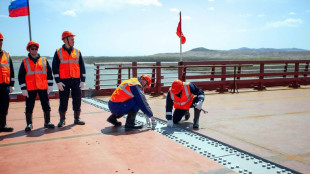
Russia, North Korea connect road bridge ahead of summer opening
Spain defies NATO's 5% goal
Spain has recently taken a bold stance by rejecting the North Atlantic Treaty Organization's (NATO) proposal to increase defense spending to 5% of its Gross Domestic Product (GDP). This decision has ignited debates across the international community, questioning Spain's dedication to NATO and the alliance's future defense strategies.
Background of the proposal
At a recent NATO summit held in The Hague, member states deliberated a significant proposal to elevate defense spending to 5% of GDP by 2035. Championed notably by the United States under President Donald Trump, this increase aimed to counter escalating security threats, particularly from Russia. However, Spain, under the leadership of Prime Minister Pedro Sánchez, has firmly opposed this target, highlighting a clash of priorities within the alliance.
Reasons for Spain's rebellion
Spain's economy faces challenges with a high debt-to-GDP ratio and persistent budget deficits. Committing to a 5% GDP defense spending target would necessitate severe cuts in critical sectors such as healthcare, education, and social welfare. Prime Minister Sánchez has labeled this potential shift as "unreasonable and counterproductive," stressing that it could destabilize Spain's economic recovery and social cohesion.
Strategic perspective
Geographically distant from Russia's borders, Spain perceives less immediate threat compared to Eastern European NATO members. This distance influences Spain's defense priorities, leading Sánchez to argue that Spain can fulfill NATO's capability requirements efficiently without adhering to the proposed spending hike. He advocates for resource allocation based on strategic necessity rather than a uniform percentage.
Reactions and repercussions
Spain's stance has elicited mixed responses. Within NATO, some member states and U.S. officials have voiced concerns, suggesting that this could undermine the alliance's collective defense strength and signal vulnerability to adversaries. President Trump has even hinted at retaliatory measures, such as imposing higher tariffs on Spanish exports.
Conversely, Spain stands firm, proposing a more tailored approach to defense contributions. Sánchez suggests that NATO should assess member contributions based on specific defense needs and capabilities, promoting fairness and flexibility across the alliance.
Broader implications
This rebellion underscores a growing rift within NATO regarding defense spending priorities. It challenges the alliance to reconsider how it measures and distributes defense responsibilities, balancing collective security with the diverse economic realities of its members. Spain's position could prompt a broader dialogue on adapting NATO's strategies to contemporary global security demands.
Conclusion of all
Spain's rejection of NATO's 5% GDP defense spending target reflects a complex interplay of economic limitations, strategic considerations, and political resolve. While it has strained relations within the alliance, it also opens the door for NATO to refine its approach, ensuring resilience and unity in addressing future threats.
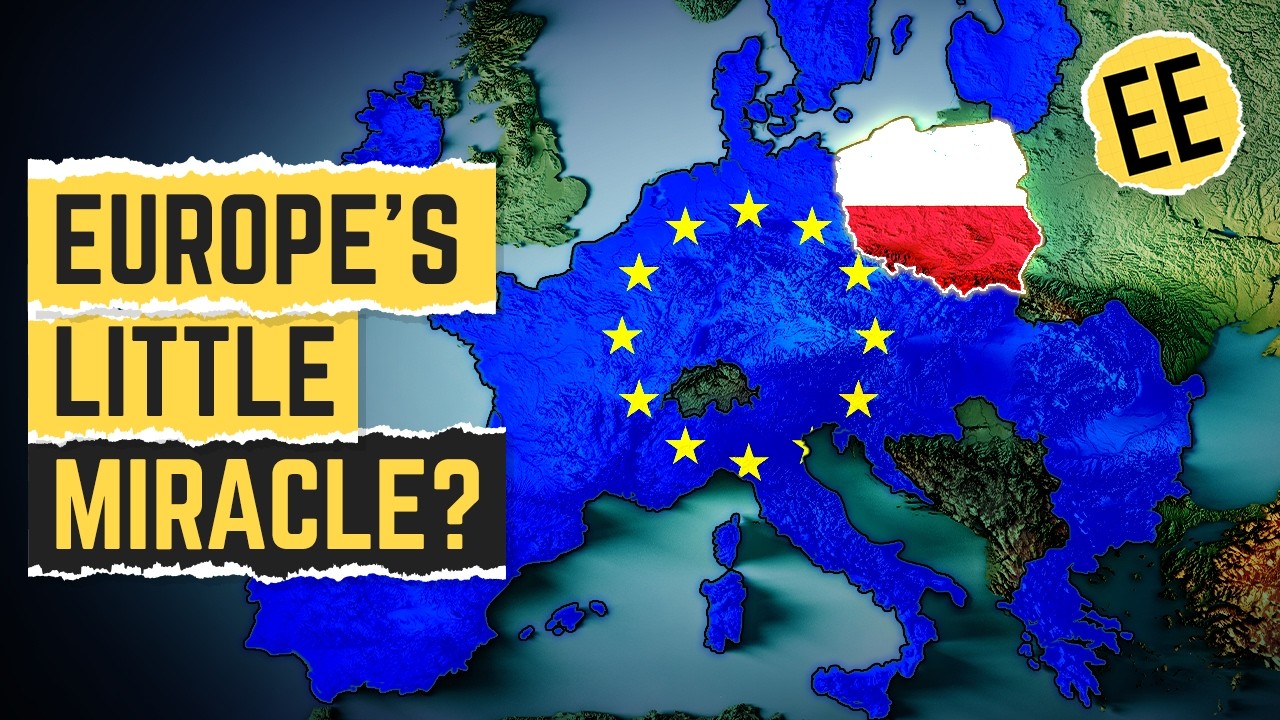
Can Poland Rescue Europe?
Finance’s Role in Economic Ruin
Trump’s Tariffs Spark Global Fear
Georgia Slips into Russia’s Grasp
Trump’s Ukraine Economic Colony Plan Stirs Debate
China Targets Dollar at US Critical Moment
EU Pledges €800 Billion for Defence to Deter Russia
Israel escalates War to crush Hamas
Trump, Putin and the question: What now?
Canada challenges Trump on Tariffs
Nuclear weapons for Poland against Russia?