-
 Dutch court jails trio over Romanian golden helmet theft
-
Lawsuit seeks to stop US 'third-country' deportations to Eq.Guinea
-
 Man City chairman will 'say everything' after verdict on financial charges
-
Celtic fans oppose potential Keane move over Israel stay

-
 Balkan integration in the spotlight at EU summit
-
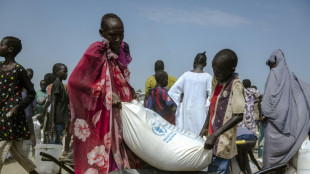
Feared global hunger crisis 'coming to pass' as Mideast war lingers: UN
-
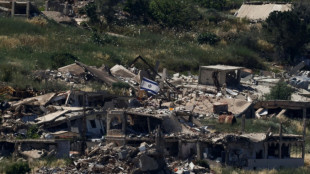 Israel strikes south Lebanon after warning to several areas
-
Macron blasts 'unacceptable' lapses over girl's suspected murder

-
 Chwalinska bidding to take final step at French Open against Andreeva
-
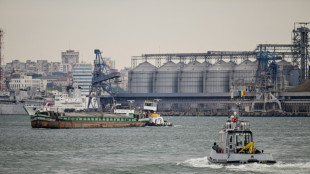
Sea drone explodes in the Romanian port of Constanta, no casualties
-
 Irish slump drags eurozone economy into red in first quarter
-
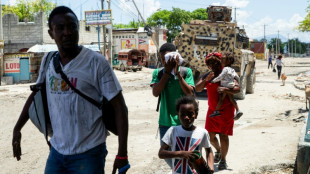
Nearly 1.5 million displaced in Haiti: UN
-
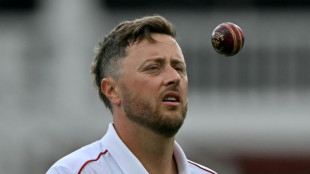 England's Robinson takes five wickets as New Zealand all out for 113
-
Former France rugby coach Saint-Andre eyes making history with Aix

-
 Spanish PM denies links to plot to disrupt probes into allies
-
France probes judicial 'dysfunction' after girl's suspected murder

-
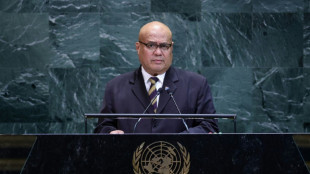 Tuvalu says fossil fuel holdings revealed by AFP 'not a good look'
-
Serena Williams' comeback to continue in Berlin

-
 France's data centre ambitions bump up against rural fears
-
Norway crown princess put on waitlist for lung transplant

-
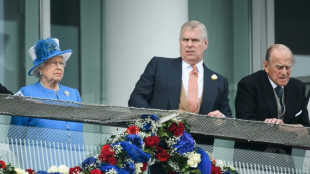 Disgraced ex-prince Andrew sublet royal cottages, UK auditors reveal
-
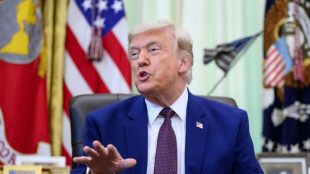
US Senate approves $70 billion for Trump immigration crackdown
-
 Pro-apartheid past of former boss roils Dutch climate group
-
France questions judicial system after girl's suspected murder

-
 Ireland head coach Farrell extends contract until 2031
-
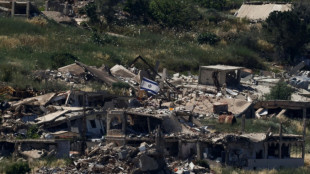
Israel strikes Lebanese village after warning to several areas
-
 Hurricanes hammer hapless Brumbies to make Super Rugby semi-finals
-
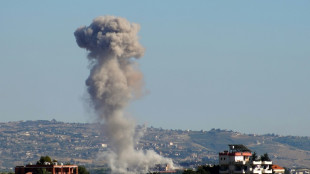
UN doubles appeal for Lebanon aid to nearly $640 mn amid Israel war
-
 Sicily braces for post-wedding blowout of Dua Lipa, Callum Turner
-
Sooryavanshi, 15, in line for maiden India call-up: report

-
 Japan change World Cup training sites in Mexico over conditions
-
Rescued orphaned elephant highlights Nigeria's conservation fight

-
 Crypto scammers prey on French victims from Albania
-
Turkmenistan's 'heavenly' horses at the heart of fervent state cult

-
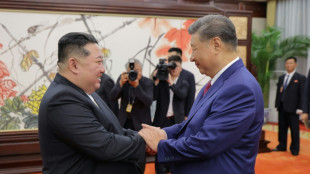 China's Xi to visit North Korea next week
-
'Extremely intelligent' bear at large in Japan after hurting four

-
 Irish racing great O'Brien bids to make Epsom Derby history
-
Uzbekistan's debut World Cup crowns surge in football popularity
-
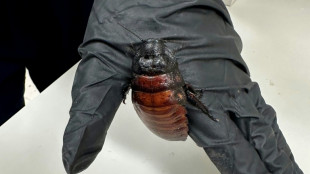 Australia seizes 100,000 cockroaches in bug-breeder bust
-
Kupcho seizes slim lead in US Women's Open at Riviera

-
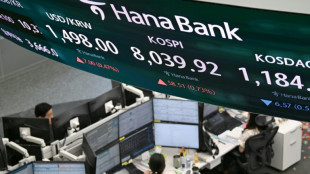 Asian stocks take another hit from AI, Mideast worries
-
Game on: Trump set to attend game 3 of NBA Finals in New York

-
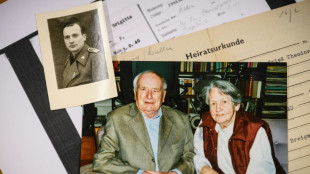 Nazi party records released online shatter German family myths
-
Political blows fly ahead of Trump's White House UFC fight

-
 US allying itself with Colombian 'narco-traffickers,' Petro accuses
-
New York City's rules for AI in schools spark fury

-
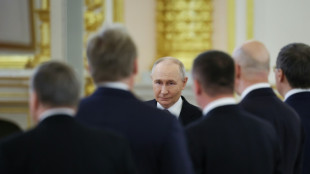 Putin to confront weak economy at 'Russian Davos', under threat of Ukrainian drones
-
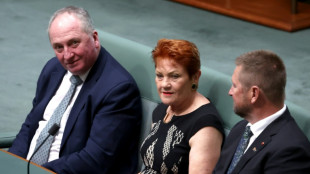
Australian far-right does U-turn on seizing foreigners' homes
-
 Thousands protest in Albania against Kushner real estate project
-
Kiss confident Reds can 'scare' Chiefs in Super Rugby playoff

Spain defies NATO's 5% goal
Spain has recently taken a bold stance by rejecting the North Atlantic Treaty Organization's (NATO) proposal to increase defense spending to 5% of its Gross Domestic Product (GDP). This decision has ignited debates across the international community, questioning Spain's dedication to NATO and the alliance's future defense strategies.
Background of the proposal
At a recent NATO summit held in The Hague, member states deliberated a significant proposal to elevate defense spending to 5% of GDP by 2035. Championed notably by the United States under President Donald Trump, this increase aimed to counter escalating security threats, particularly from Russia. However, Spain, under the leadership of Prime Minister Pedro Sánchez, has firmly opposed this target, highlighting a clash of priorities within the alliance.
Reasons for Spain's rebellion
Spain's economy faces challenges with a high debt-to-GDP ratio and persistent budget deficits. Committing to a 5% GDP defense spending target would necessitate severe cuts in critical sectors such as healthcare, education, and social welfare. Prime Minister Sánchez has labeled this potential shift as "unreasonable and counterproductive," stressing that it could destabilize Spain's economic recovery and social cohesion.
Strategic perspective
Geographically distant from Russia's borders, Spain perceives less immediate threat compared to Eastern European NATO members. This distance influences Spain's defense priorities, leading Sánchez to argue that Spain can fulfill NATO's capability requirements efficiently without adhering to the proposed spending hike. He advocates for resource allocation based on strategic necessity rather than a uniform percentage.
Reactions and repercussions
Spain's stance has elicited mixed responses. Within NATO, some member states and U.S. officials have voiced concerns, suggesting that this could undermine the alliance's collective defense strength and signal vulnerability to adversaries. President Trump has even hinted at retaliatory measures, such as imposing higher tariffs on Spanish exports.
Conversely, Spain stands firm, proposing a more tailored approach to defense contributions. Sánchez suggests that NATO should assess member contributions based on specific defense needs and capabilities, promoting fairness and flexibility across the alliance.
Broader implications
This rebellion underscores a growing rift within NATO regarding defense spending priorities. It challenges the alliance to reconsider how it measures and distributes defense responsibilities, balancing collective security with the diverse economic realities of its members. Spain's position could prompt a broader dialogue on adapting NATO's strategies to contemporary global security demands.
Conclusion of all
Spain's rejection of NATO's 5% GDP defense spending target reflects a complex interplay of economic limitations, strategic considerations, and political resolve. While it has strained relations within the alliance, it also opens the door for NATO to refine its approach, ensuring resilience and unity in addressing future threats.

Fentanyl trade unravels
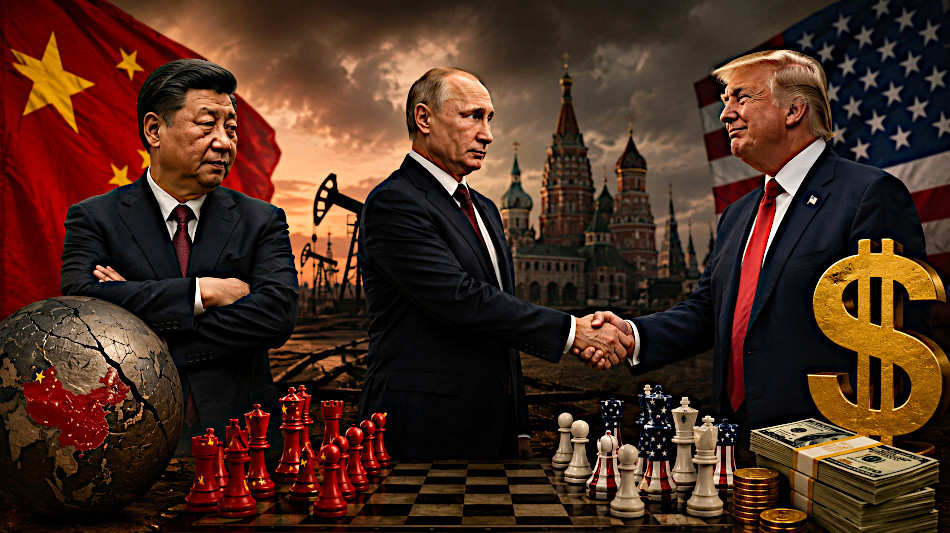
Russia’s dollar pivot
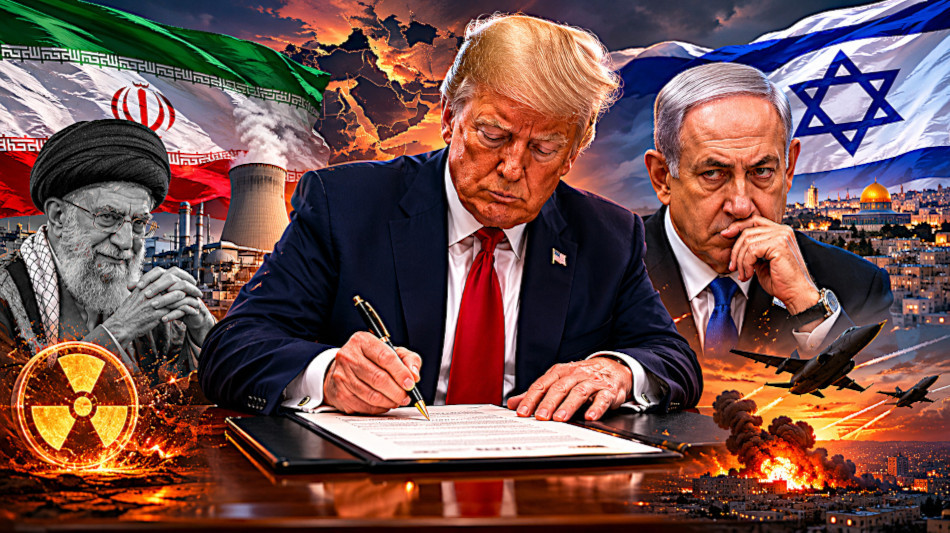
Israel riled by US-Iran pact

Red sea gambit with Eritrea

US China race hits 2027

Brussels misreads Magyar

Scandic Coin, (SNC) and Trust

Global finance in few hands

AI's 18-month Job disruption
Iran war fuels terror risks

Bitcoin slump stirs doubt