-
 Mexico pyramid shooter planned attack, fixated on US massacre
-
Mbappe on the mark as Real Madrid sink Alaves

-
 Rosenior blasts Chelsea flops after 'unacceptable' Brighton defeat
-
Inter roar back to beat Como and reach Italian Cup final

-
 Lens sweep past Toulouse to reach French Cup final
-
Brighton crush Chelsea to pile pressure on under-fire Rosenior

-
 Strait of Hormuz blockade drives up costs at Panama Canal
-
Trump extends ceasefire, says giving Iran time to negotiate
-
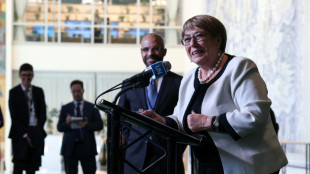 Michelle Bachelet hopes the world is ready for a female UN chief
-
Nowitzki, Bird among eight inductees into FIBA Hall of Fame

-
 Stocks fall, oil climbs amid uncertainty over US-Iran talks
-
Iran war means more orders for US defense giants
-
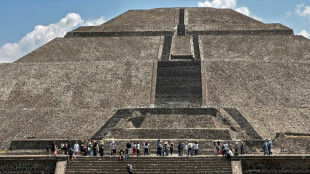 Mexico pyramid shooting was planned attack, officials say
-
Trump's messaging on Iran grows increasingly erratic
-
 Churchill Downs buys Preakness for $85 million
-
Unregulated AI like speeding with no steering wheel: AI godfather Hinton

-
 Tourists return to Rio viewpoint after shootout scare
-
Maradona's daughter slams 'manipulation' of family by his doctors

-
 Abhishek's 135 powers Hyderabad to third straight IPL win
-
Vance still in Washington as uncertainty mounts over US-Iran talks
-
 No.1 Jeeno seeks first major win at LPGA Chevron event
-
New batch of World Cup tickets to go on sale

-
 Material girl: Madonna offers reward for missing clothes
-
Maker of Argentina's first Oscar-winning film, Luis Puenzo, dies at 80:

-
 Rape retrial hears Weinstein 'preyed' on aspiring US actress
-
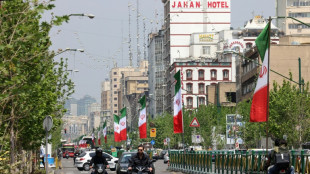
Arrests, hangings, blackout: Iran cranks up wartime repression
-
 Seixas relishes 'steep' challenge at Fleche Wallonne
-
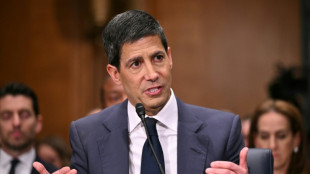
US Fed chair nominee says will not be controlled by Trump
-
 Singapore's Tang gets second term at UN's patent agency
-
Taiwan leader postpones Eswatini trip after overflight permits revoked

-
 Lula warns will respond after US expels police attache
-
Trailblazer Karren Brady steps down from West Ham role

-
 US Fed chair nominee says he will not be controlled by Trump
-
Stocks slip, oil climbs as US-Iran truce expiry looms

-
 In Portugal, Lula urges return to multilateralism
-
Sinner wants to use Madrid to boost career Grand Slam chances
-
 Renewables key to buffer fossil fuel energy shock: COP31 co-hosts
-
Chery wants to make small electric car in Europe

-
 Donovan steps down as Bulls coach
-
US official says gas prices have peaked despite Iran war

-
 Pope calls for 'law and justice' on Equatorial Guinea visit
-
Trump's Fed chair pick vows to safeguard independence at confirmation hearing

-
 Mideast war lights fire under energy transition plans
-
Trump says Iran violated truce as doubt surrounds peace talks
-
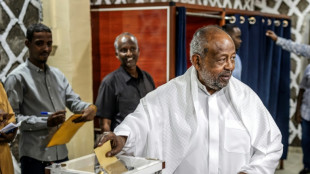 Djibouti president re-election confirmed with 97% of vote
-
Barcelona need leaders to fulfil Flick's Champions League dream

-
 Guardiola hints that Rodri will make swift Man City return
-
'We weren't soft, we were skilled': Nowitzki on NBA's European revolution

-
 PSG and Luis Enrique sweat on Vitinha ahead of Champions League semis
-
Counting a billion people: Inside India's mega census drive

Iran's Nuclear Ambitions
The recent US military strikes on Iran's nuclear facilities have raised questions about the current state of Iran's nuclear program and its potential to develop a nuclear weapon. While the US administration claims that the strikes have "completely and totally obliterated" Iran's key nuclear enrichment facilities, there are conflicting reports and expert opinions on the true extent of the damage.
On June 22, 2025, the United States launched a series of airstrikes on three major Iranian nuclear sites: Fordo, Natanz, and Isfahan. The operation, codenamed "Midnight Hammer," involved B-2 Spirit stealth bombers dropping massive bunker-buster bombs and a submarine launching Tomahawk missiles. President Donald Trump announced that the strikes were a "spectacular military success" and that Iran's nuclear ambitions had been "obliterated."
However, a leaked preliminary intelligence assessment from the Defense Intelligence Agency suggests that the strikes may have only set back Iran's nuclear program by a few months. According to sources familiar with the report, the attacks sealed off the entrances to two facilities but did not collapse their underground structures. Additionally, it is believed that some centrifuges used for uranium enrichment might still be intact.
Further complicating the picture, there are indications that Iran may have relocated its stockpile of enriched uranium prior to the strikes. Satellite imagery from the days before the attack shows trucks at the Fordo and Isfahan sites, possibly moving materials away from the facilities. If Iran has safeguarded its enriched uranium, it could potentially resume its nuclear activities more quickly than if the stockpile had been destroyed.
The International Atomic Energy Agency (IAEA) has confirmed that the three sites were hit and has reported extensive damage, particularly at Esfahan and Fordo. However, the agency also noted that there has been no increase in off-site radiation, suggesting that any radioactive materials were not released during the attacks.
Experts are divided on the long-term impact of the strikes. David Albright, president of the Institute for Science and International Security, stated that restoring Iran's nuclear program would require significant time, investment, and energy, and that Iran risks further attacks if it attempts to rebuild. Conversely, Jeffrey Lewis, a professor at the Middlebury Institute of International Studies, argues that the program is not destroyed and that Iran might still possess the necessary materials to continue its pursuit of nuclear weapons.
Prior to the strikes, the IAEA had reported that Iran possessed over 400 kilograms of uranium enriched to 60%, which is close to the 90% purity needed for a nuclear weapon. If this stockpile remains intact, Iran could theoretically use it to produce a bomb relatively quickly, provided it can rebuild its enrichment capabilities.
However, with the facilities damaged, Iran would need to reconstruct its infrastructure, a process that could take months or even years, depending on the extent of the damage and the resources available to Iran.
Moreover, Iran is now under intense international scrutiny, and any efforts to rebuild its nuclear program would likely face strong opposition, including the possibility of further military action.
In conclusion, while the US strikes have undoubtedly inflicted damage on Iran's nuclear facilities, the true impact on Iran's ability to develop a nuclear weapon remains uncertain. The status of Iran's enriched uranium stockpile and the resilience of its underground facilities are key factors that will determine how close Iran is to possessing a nuclear bomb. As of now, it is unclear whether the strikes have significantly delayed Iran's nuclear ambitions or merely caused a temporary setback.

EU DECODED: Deforestation law’s trade-offs

Underwater Wi-Fi: European startups woo investors
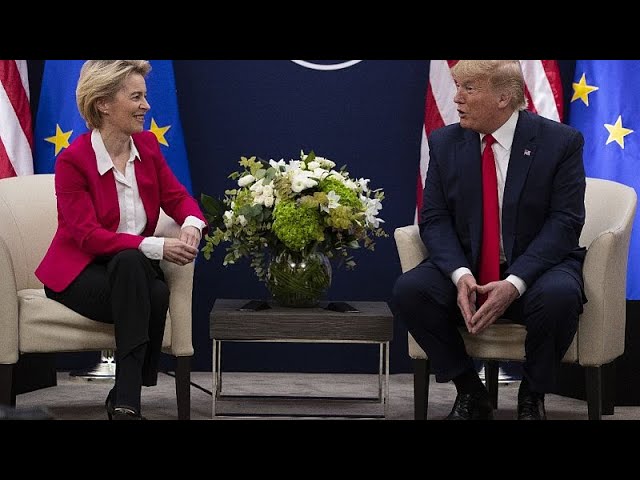
Trump's US support for Ukraine and China?

Cultural year 2024: between Qatar and Morocco

Planning a wellness break? Poland!
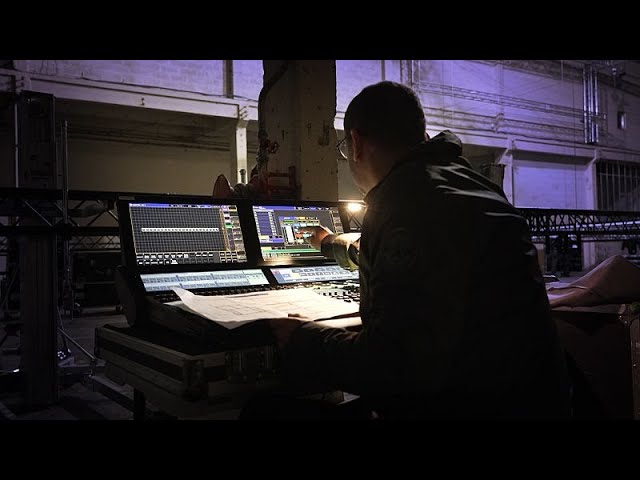
Studio Kremlin: creative co-working in Paris
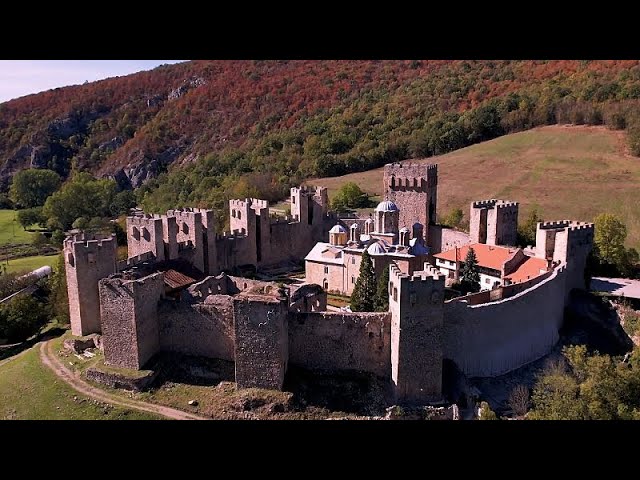
Culture: Serbia’s architectural marvels

EU Residence permits: Record level to third nationals

Trump announces Homan as new 'border czar'
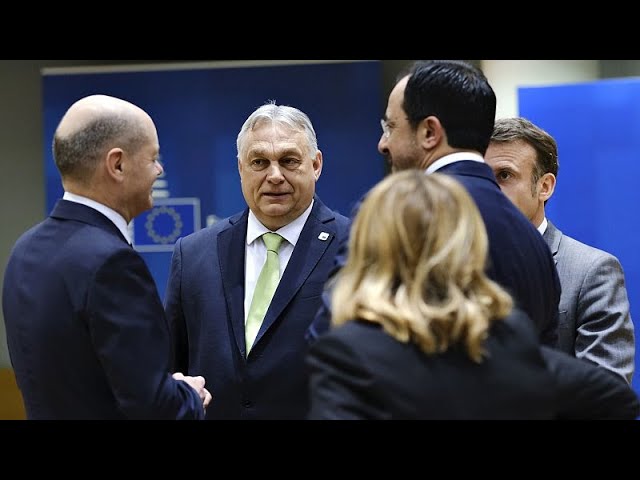
EU: How do we deal with Donald Trump?

Watch Live: Trump or Harris? America votes!