-
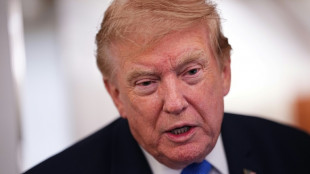
 Trump says new Iran talks set to start after calling off massive attack
-
Leeds rally for 4-2 friendly win over Liverpool
-
 Four Al-Fayed survivors told they were trafficking victims
-
Trump says US support for Japanese yen a 'signal of friendship'
-
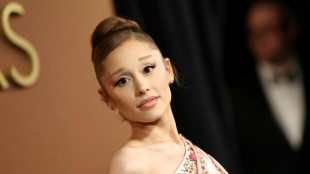 Ariana Grande withdraws from London musical, seeks to 'step back'
-
Thorbjornsen earns maiden PGA win at Rocket Classic

-
 Sudan army drone attack on Darfur court kills 35
-
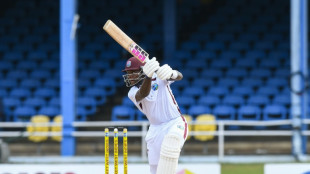
Greaves steadies West Indies in second Test against Pakistan
-
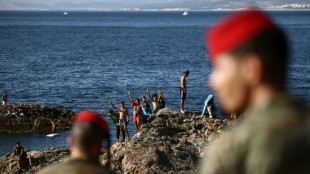 At least 72 died in Spain's Ceuta migrant rush, Spain says
-
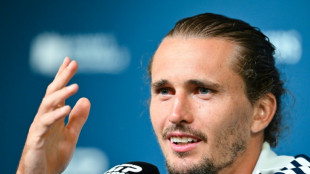
Zverev says sanctions won't solve problem of bloated Masters events
-
 Russian teen Liutova wins WTA Memphis title
-
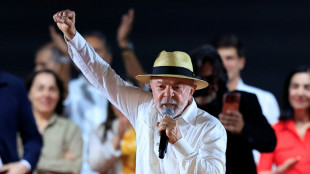
Brazil's Lula, 80, says 'in great shape' as he launches fourth term bid
-
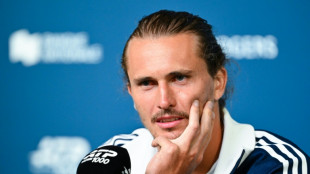 Zverev remains wary of 12-day Masters events
-
Barco joins Chelsea rebuild from Strasbourg

-
 Wimbledon champ Noskova ready for 'new opportunity'
-
Commonwealth Games faces uncertain future ahead of centenary edition

-
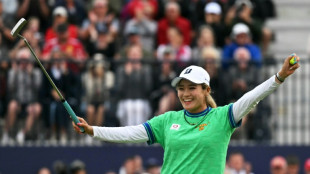 Japan's Kuwaki wins women's British Open to clinch first major title
-
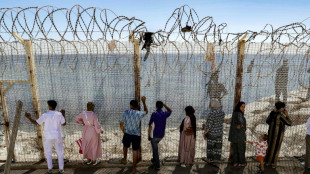
Moroccans gather at Ceuta border, desperate for news of loved ones
-
 Sabalenka aims to bounce back in Toronto after Wimbledon disappointment
-
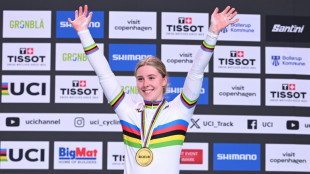
Finucane seals fourth cycling gold on final day of Commonwealth Games
-
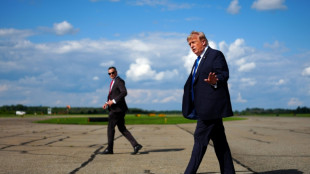 Iran says close to Hormuz deal with Oman, after US suspends attack plan
-
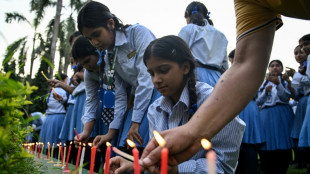
At Nepal school, outpouring of grief for climber Nirmal Purja
-
 'Spider-Man' soars to huge $355 million opening in North America
-
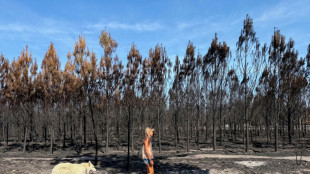
Tourists slowly return to French bay opposite huge wildfire
-
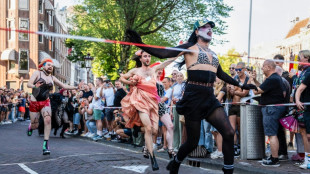 Handbag tosses and high-heeled sprints: Amsterdam celebrates Drag Olympics
-
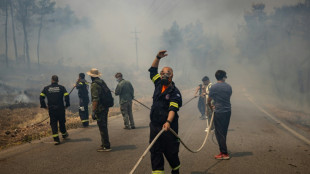
Helicopter crew killed in Greece fires
-
 Trump's on-again-off-again war against Iran: in his own words
-
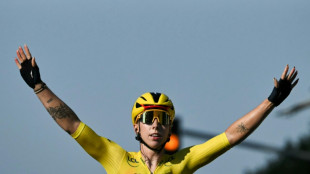
Wiebes takes dominant second win at Tour de France Femmes
-
 Dodgers land Tigers pitching ace Skubal in MLB trade deadline blockbuster
-
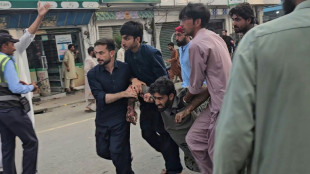
Suicide attack kills 13 during protest in northern Pakistan: police
-
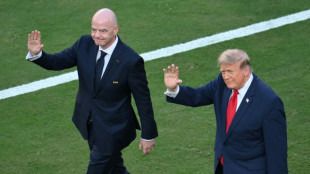 Infantino struggling to survive, says former IOC marketing chief
-
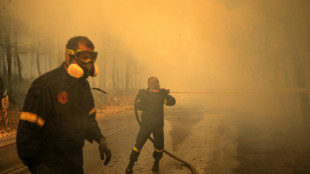
Helicopters collide in Greece as fires spread
-
 OPEC+ boosts September production by 188,000 barrels/day
-
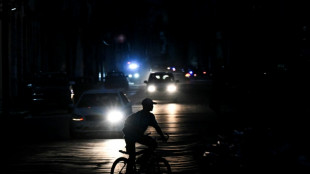
Power returns to Cuba's west after grid failure
-
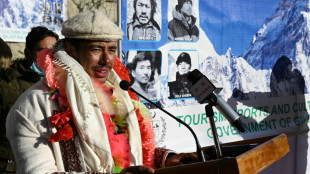 Rescuers recover climber Nirmal Purja's body after avalanche disaster
-
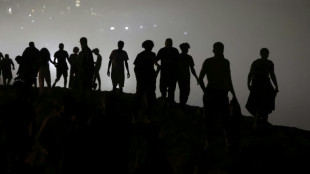
At least 72 died in Spain's Ceuta migrant rush
-
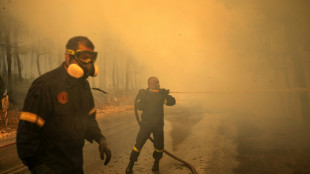 Fire toll mounts in Greece as blazes spread
-
South Korea records its highest-ever temperature of 42.5C

-
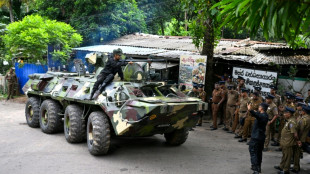 Sri Lanka deploys troops after prison riot
-
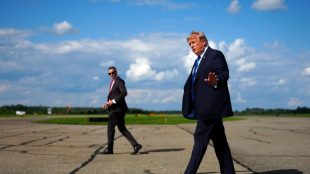
Trump says US, Israel to hold off on Iran strikes
-
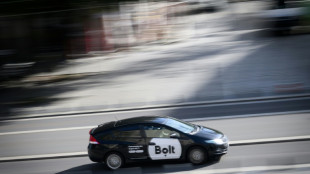 Baltics transform from Soviet stagnation to startup hubs
-
Messi returns as Inter Miami draw 2-2 against Columbus Crew

-
 AI keeps consumer prices high in 'RAMaggedon' chip crunch
-
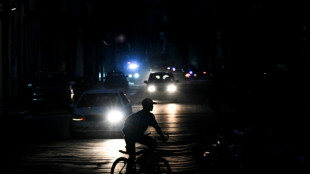
Five of Cuba's 15 provinces without power as grid fails again
-
 Dressel, Walsh win 50m free titles at US Swimming Championships
-
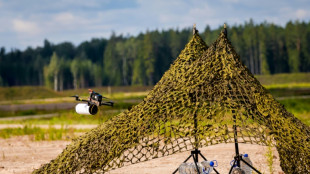
Baltic startups take aim at deterring Russia on NATO's eastern flank
-
 OPEC+ tipped to raise production again but new quotas loom
-
Tourists chase high-octane thrill in China's trending biker capital

-
 De Zerbi unsure over Richarlison's future at Spurs
-
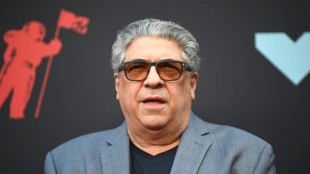
Vincent Pastore, who played 'Big Pussy' on 'The Sopranos,' dead at 80
Germany's Anti-Woke Tide
In recent years, Germany has witnessed a growing backlash against what many perceive as the excesses of progressive ideologies, often referred to as "woke" culture. This movement, which some describe as an "anti-woke revolution," is reshaping political, social, and cultural landscapes across the country. While Germany has long been seen as a bastion of liberal values, a rising tide of discontent has emerged, driven by concerns over immigration, free speech, gender identity, and the perceived overreach of progressive policies. This article explores the roots of this movement, its key figures, and its broader implications for German society.
The term "woke," originally rooted in awareness of social injustices, has increasingly been used by critics to describe a range of progressive stances on issues such as racial equality, gender identity, and climate activism. In Germany, as in other parts of Europe, these ideas have been embraced by left-leaning political parties, cultural institutions, and media outlets. However, a growing segment of the population now views these developments with scepticism, arguing that they threaten traditional values, free expression, and national identity.
Political Backlash
At the heart of this anti-woke sentiment is the Alternative for Germany (AfD), a right-wing populist party that has gained significant traction in recent years. The AfD has positioned itself as a staunch critic of progressive policies, particularly on immigration and gender issues. The party argues that Germany's open-door immigration policy, championed by former Chancellor Angela Merkel, has led to cultural and security challenges. Additionally, the AfD has vocally opposed what it calls "gender ideology," rejecting efforts to expand rights for transgender individuals and criticising policies that it claims undermine traditional family structures. While the AfD remains controversial, its rise reflects a broader dissatisfaction with the political establishment's handling of these issues.
Cultural and Intellectual Pushback
Beyond the political sphere, the anti-woke movement has found resonance in cultural and intellectual circles. Prominent public figures, including authors, academics, and media personalities, have spoken out against what they see as the stifling of free speech by progressive orthodoxy. They argue that debates on sensitive topics such as immigration or gender are often shut down by accusations of racism or transphobia, creating a climate of self-censorship. This concern over free expression has led to calls for a more open and robust public discourse, where dissenting views can be aired without fear of social or professional repercussions.
Immigration: A Central Issue
One of the most contentious issues fuelling the anti-woke movement is immigration. Germany, which accepted over a million migrants during the 2015 refugee crisis, has grappled with the social and economic consequences of this influx. Critics argue that the country's generous asylum policies have strained public services, increased crime rates, and eroded social cohesion. These concerns have been amplified by high-profile incidents of violence involving migrants, which have dominated headlines and stoked public fears. While supporters of immigration highlight the humanitarian and economic benefits, the anti-woke camp insists that the government has prioritised political correctness over pragmatic solutions.
Gender Identity Debates
Gender identity is another flashpoint in this cultural battle. Progressive policies, such as allowing individuals to change their legal gender without medical intervention, have been met with resistance from those who believe such measures undermine biological realities and erode women's rights. The AfD and other conservative voices have seized on this issue, framing it as part of a broader assault on traditional values. They argue that the push for gender inclusivity in schools and public institutions amounts to indoctrination, particularly when it comes to young children. This debate has spilled over into the education system, where parents and teachers have clashed over curriculum content and the role of schools in promoting social values.
Public Protests
The anti-woke movement has also found expression in public protests and demonstrations. In recent months, rallies against progressive policies have drawn large crowds, particularly in eastern Germany, where support for the AfD is strongest. These protests often focus on issues such as immigration, climate policies, and perceived government overreach. While the demonstrations have been largely peaceful, they have occasionally been marred by clashes with counter-protesters, highlighting the deepening divisions within German society.
Challenges and Opposition
Despite its growing influence, the anti-woke movement faces significant challenges. Mainstream political parties, including the Christian Democratic Union (CDU) and the Social Democratic Party (SPD), have largely distanced themselves from the AfD and its rhetoric. They argue that the party's positions are extreme and incompatible with Germany's democratic values. Additionally, many Germans remain committed to progressive ideals, viewing the anti-woke movement as a regressive force that threatens social progress. This divide has created a polarised political landscape, with little room for compromise.
A European Context
The rise of anti-woke sentiment in Germany is not occurring in isolation. Across Europe, similar movements have gained momentum, from France's Marine Le Pen to Hungary's Viktor Orbán. These leaders have tapped into widespread frustration with globalisation, immigration, and cultural change, positioning themselves as defenders of national sovereignty and traditional values. In Germany, the anti-woke movement is part of this broader trend, reflecting a desire to push back against what many see as the excesses of progressive politics.
Looking Ahead
As Germany heads towards its next federal election, the anti-woke movement is likely to play a significant role in shaping the political debate. The AfD, despite its internal divisions and controversies, remains a potent force, particularly in regions where economic and social challenges are most acute. Whether the party can translate its anti-woke rhetoric into electoral success remains to be seen, but its influence on the national conversation is undeniable.
In conclusion, Germany's anti-woke revolution is a complex and multifaceted phenomenon, driven by a combination of political, social, and cultural factors. While it has undoubtedly tapped into genuine concerns about immigration, free speech, and national identity, it has also raised questions about the future of Germany's liberal democracy. As the country navigates these turbulent waters, the challenge will be to find a balance between addressing legitimate grievances and upholding the values of tolerance and inclusivity that have long defined German society.
Russland, der Terror-Staat / Russia, the terrorist state!
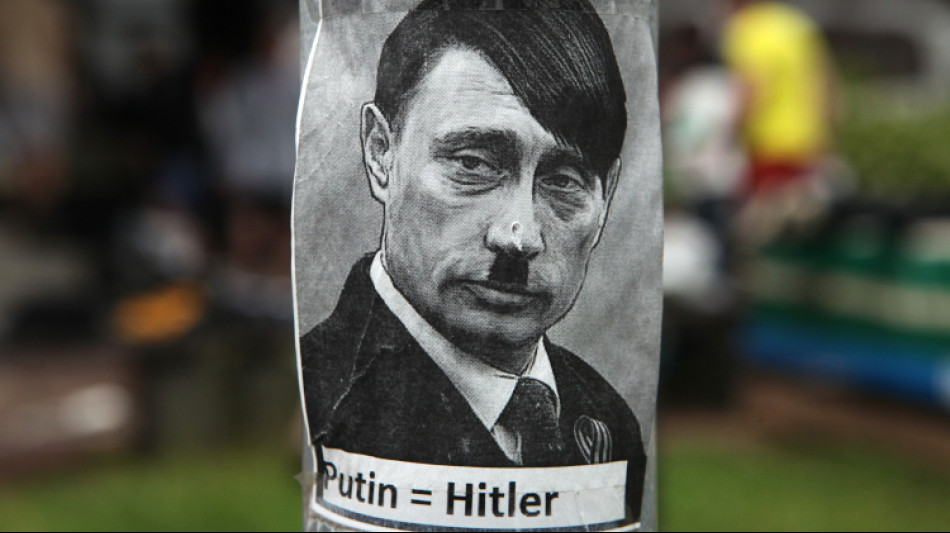
Ukraine in the fight against the russian terror State
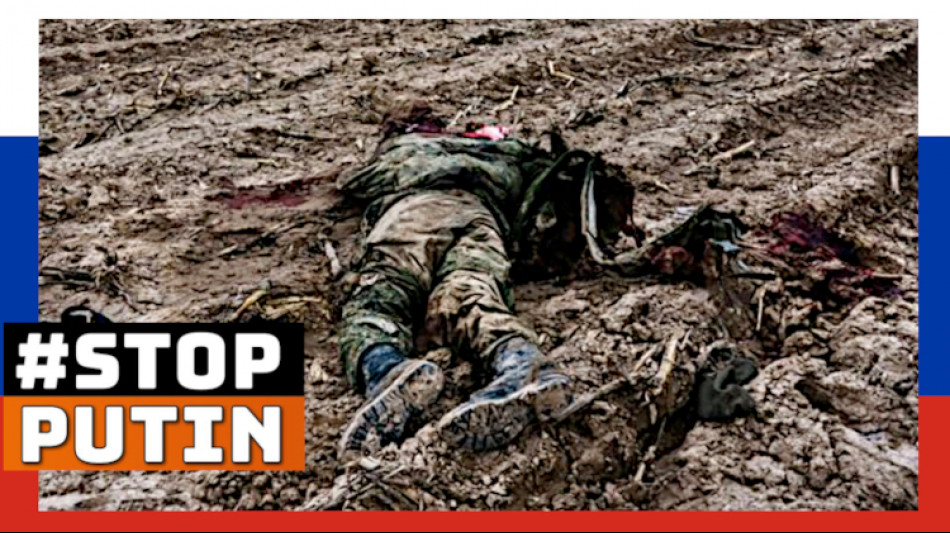
The Russian criminals will never own Ukraine!

ATTENTION, ATENCIÓN, УВАГА, ВНИМАНИЕ, 注意事项, DİKKAT, 주의, ATENÇÃO

UNESCO accepts the US back into the fold after a five-year absence
This is how the Russian scum in Ukraine ends!

Video, ビデオ, 视频, Відео, 비디오, Wideo, 動画, Βίντεο, Видео!!

Ukraine's struggle: Surviving after the flood

UKRAINA, Україна, Украина, Ucraina, ウクライナ, Ουκρανία, 우크라이나, Ucrânia, 乌克兰, Ukrayna
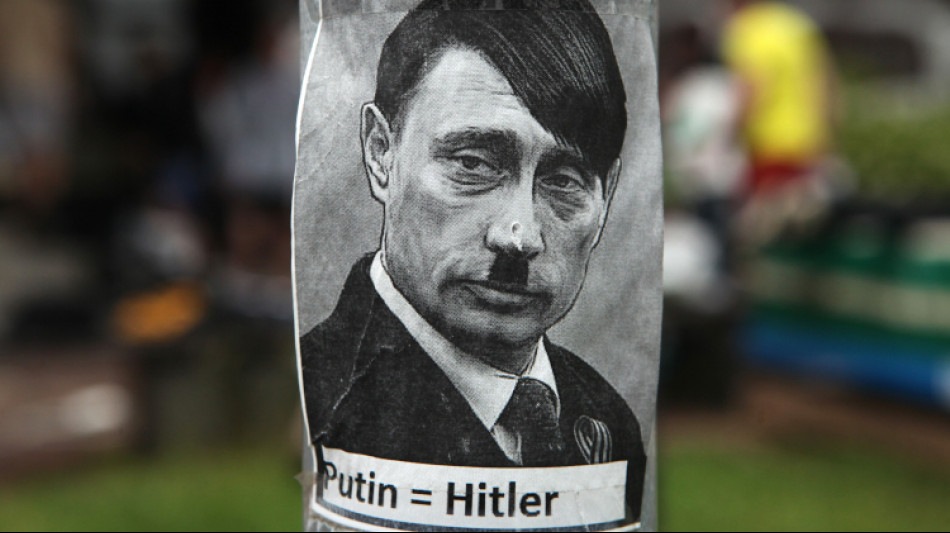
Ukraine: War terror of the russian army!
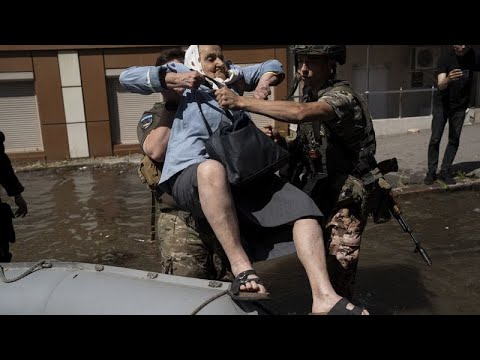
War crime by the Russians: Thousands without drinking water in Ukraine