OPEC+ boosts September production by 188,000 barrels/day / Photo: © AFP/File

 Chiefs and 49ers suffer first losses of NFL season, Vikings stay unbeaten
 Obama mocks Trump tariffs on Canada during Michigan campaign stop
 Brewers erase four-run deficit as Rays lose World Series Game 2

 Shadab century and record last-wicket stand carry Pakistan past England

 Baylor dismisses Dave Aranda and appoints Joe Klanderman interim coach

 Stocks sink as traders brace for tech earnings, central bank decisions

 Albert Zahn’s carved birds find a lasting home in Wisconsin museums

 NPS Vatsalya offers three choices when a child turns 18

 China's Communist Party elite gather for governance talks

 Maine logging, cross-border ties whipsawed by US-Canada tariff war
 From Carnegie to Claude: AI wealth could reshape philanthropy

 India and Russia plan 2027 pilot voyages on Northern Sea Route

 What challenges await Brazil's Lula in his fourth term?

 Brazil's Lula defies odds to clinch poll victory against Flavio Bolsonaro

 Falcons hand 49ers first defeat of NFL season, Vikings remain unbeaten

 Readers debate YES Bank bonds, climate commitments and candidate disclosure
 Australian politicians pay tribute to wounded lawmaker

 Modi opens RBI data centre and cybersecurity training institute

 Nifty heads toward weakest Samvat of Modi era after 13% fall

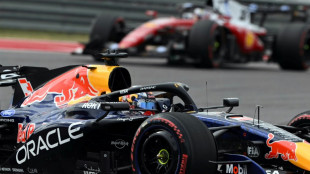 Disappointed Verstappen admits to wrong tyre strategy at US Grand Prix

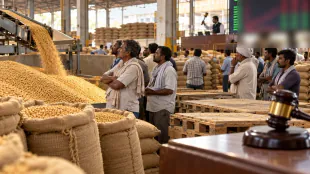 India trims weekly wheat auction volume despite strong miller demand

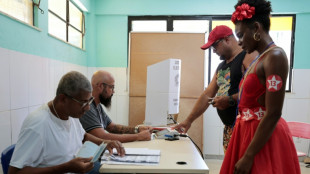
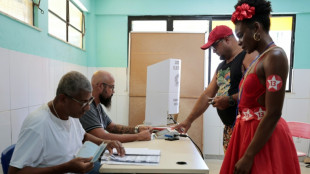 Brazil braces for result of knife-edge election after voting chaos

 Bleems adds UFFF toys and collectibles through Kuwait partnership

 Real Madrid beat Barcelona in La Liga Clasico

 Antonelli wins US Grand Prix to close on world title

Saudi Arabia, Russia and five other key members of OPEC+ agreed in an online meeting Sunday to boost oil production by 188,000 barrels a day from September, against a backdrop of disruption caused by the Mideast war.
"The seven participating countries decided to implement a production adjustment of 188 thousand barrels per day," they said in a joint statement.
The increase, decided by the key countries in the enlarged Organisation of the Petroleum Exporting Countries, was widely expected by analysts.
"OPEC+ has finished unwinding its voluntary cuts. The next challenge is managing the surplus that could emerge as export flows normalise," said Jorge Leon, analyst at Rystad Energy.
He warned, however, that "today's decision changes little in the near term because (the Strait of) Hormuz remains constrained. The real market impact will come when normal export flows resume."
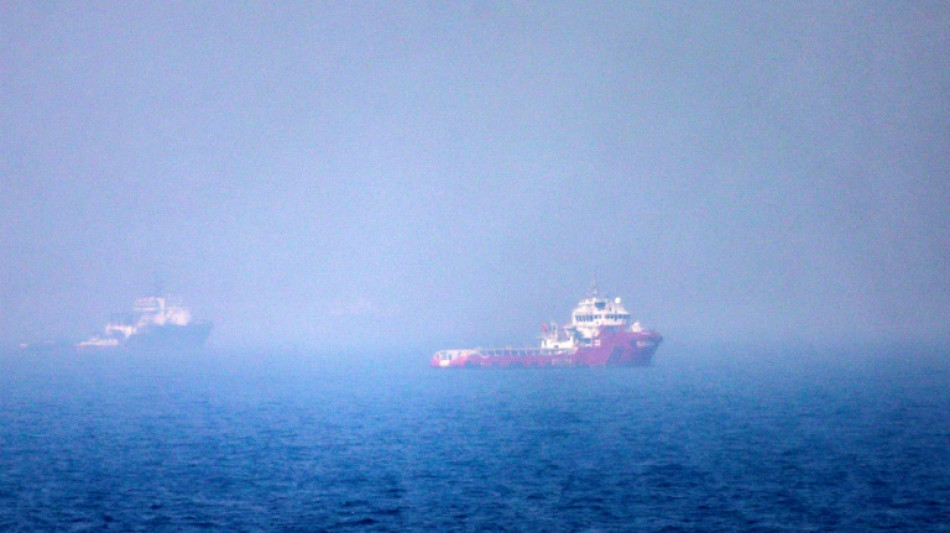
The Gulf countries have struggled to increase exports due to the near-paralysis of the Strait of Hormuz orchestrated by Iran during the war in the Middle East -- despite a brief upswing in shipping traffic after a US-Iran memorandum of understanding was signed in June.
Many OPEC+ members cannot produce as much oil as their official targets allow due to a "decline in production capacity", so increasing targets has become less meaningful, said Giovanni Staunovo, an analyst at UBS.
- Future pause foreseen -
The September increase, agreed by OPEC+ countries Saudi Arabia, Russia, Iraq, Kuwait, Kazakhstan, Algeria, and Oman, completes the unwinding of the second of the three production-cut packages introduced by organisation.
"Having completed the restoration campaign, OPEC+ has little incentive to rush into further supply changes. Our base case is a fourth-quarter pause while the group prepares for the 2027 quota negotiations," said Rystad Energy's Leon.
"For now, geopolitics is masking the scale of the supply increase. That will become much clearer once export flows normalise," he said.
It remains unclear when the group will actually be able to increase its oil volumes. Some member countries, such as Iraq, have expressed a desire to significantly boost production.
Russia, though, is confronted with repeated Ukrainian drone attacks on its oil infrastructure that have crimped production, currently hovering around nine million barrels per day -- compared with a target of 9.8 million barrels per day.
OPEC+ "faces potentially difficult talks over new production quotas" starting next year following the September increase, according to analysts at DNB Carnegie.
Between late 2022 and 2023, OPEC+ became concerned that oil prices were falling, and agreed to cut oil production in three separate rounds, reducing total output by nearly six million barrels per day.
But Saudi Arabia, Russia, Iraq, Kuwait, Kazakhstan, Algeria, Oman and the United Arab Emirates -- before the latter's exit from the group on May 1 -- then changed their strategy by gradually upping production starting in 2025.
"I don't think cohesion is at risk at this very moment," said Leon, warning, however, that the UAE's withdrawal from the group in May has highlighted a weakness in this area.
L.Stucki--VB