-
 Trump says new Iran talks set to start after calling off massive attack
-
Leeds rally for 4-2 friendly win over Liverpool

-
 Four Al-Fayed survivors told they were trafficking victims
-
Trump says US support for Japanese yen a 'signal of friendship'

-
 Ariana Grande withdraws from London musical, seeks to 'step back'
-
Thorbjornsen earns maiden PGA win at Rocket Classic

-
 Sudan army drone attack on Darfur court kills 35
-
Greaves steadies West Indies in second Test against Pakistan

-
 At least 72 died in Spain's Ceuta migrant rush, Spain says
-
Zverev says sanctions won't solve problem of bloated Masters events

-
 Russian teen Liutova wins WTA Memphis title
-
Brazil's Lula, 80, says 'in great shape' as he launches fourth term bid

-
 Zverev remains wary of 12-day Masters events
-
Barco joins Chelsea rebuild from Strasbourg

-
 Wimbledon champ Noskova ready for 'new opportunity'
-
Commonwealth Games faces uncertain future ahead of centenary edition

-
 Japan's Kuwaki wins women's British Open to clinch first major title
-
Moroccans gather at Ceuta border, desperate for news of loved ones
-
 Sabalenka aims to bounce back in Toronto after Wimbledon disappointment
-
Finucane seals fourth cycling gold on final day of Commonwealth Games

-
 Iran says close to Hormuz deal with Oman, after US suspends attack plan
-
At Nepal school, outpouring of grief for climber Nirmal Purja
-
 'Spider-Man' soars to huge $355 million opening in North America
-
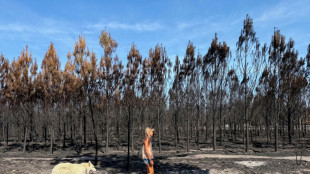
Tourists slowly return to French bay opposite huge wildfire
-
 Handbag tosses and high-heeled sprints: Amsterdam celebrates Drag Olympics
-
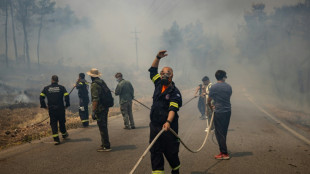
Helicopter crew killed in Greece fires
-
 Trump's on-again-off-again war against Iran: in his own words
-
Wiebes takes dominant second win at Tour de France Femmes

-
 Dodgers land Tigers pitching ace Skubal in MLB trade deadline blockbuster
-
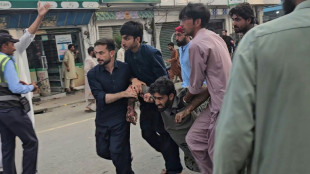
Suicide attack kills 13 during protest in northern Pakistan: police
-
 Infantino struggling to survive, says former IOC marketing chief
-
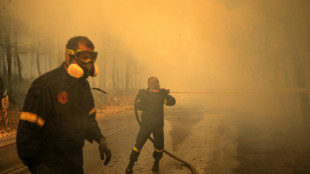
Helicopters collide in Greece as fires spread
-
 OPEC+ boosts September production by 188,000 barrels/day
-
Power returns to Cuba's west after grid failure

-
 Rescuers recover climber Nirmal Purja's body after avalanche disaster
-
At least 72 died in Spain's Ceuta migrant rush
-
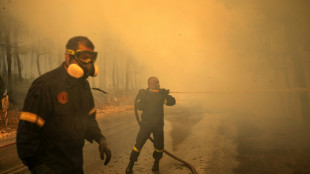 Fire toll mounts in Greece as blazes spread
-
South Korea records its highest-ever temperature of 42.5C

-
 Sri Lanka deploys troops after prison riot
-
Trump says US, Israel to hold off on Iran strikes

-
 Baltics transform from Soviet stagnation to startup hubs
-
Messi returns as Inter Miami draw 2-2 against Columbus Crew

-
 AI keeps consumer prices high in 'RAMaggedon' chip crunch
-
Five of Cuba's 15 provinces without power as grid fails again

-
 Dressel, Walsh win 50m free titles at US Swimming Championships
-
Baltic startups take aim at deterring Russia on NATO's eastern flank
-
 OPEC+ tipped to raise production again but new quotas loom
-
Tourists chase high-octane thrill in China's trending biker capital

-
 De Zerbi unsure over Richarlison's future at Spurs
-
Vincent Pastore, who played 'Big Pussy' on 'The Sopranos,' dead at 80

Demographic Collapse Crisis
The phenomenon of demographic collapse, marked by a steep decline in population due to low birth rates and aging societies, is poised to become the gravest crisis humanity has ever encountered. While past generations feared the strain of overpopulation, today’s reality—a shrinking, graying populace—presents an unprecedented threat. This article examines why demographic collapse could eclipse all prior crises, delving into its economic, social, and global ramifications.
Economic Impacts
A plummeting birth rate, now below the replacement level of 2.1 children per woman in many nations, signals trouble for economies worldwide. With fewer young people entering the workforce, labor shortages loom large. Countries like Japan and Italy, where fertility rates hover around 1.4, are already witnessing population declines. This shrinking workforce stifles productivity and economic growth, as fewer workers generate less output and innovation. Simultaneously, an aging population swells the ranks of retirees, straining pension and healthcare systems. Governments face dwindling tax revenues, unable to sustain services like education or infrastructure, potentially sparking fiscal crises that force cuts to benefits or hikes in taxes—both risking public unrest.
Social Consequences
Beyond economics, demographic collapse reshapes societies. A dearth of youth threatens cultural vitality, as traditions and innovations depend on younger generations. Automation, often proposed as a fix for labor shortages, may instead displace workers in routine jobs, widening inequality. Those unable to adapt to a tech-driven world could be left behind, deepening social divides. Moreover, a shrinking population may erode community spirit, fostering isolation and a diminished sense of future purpose—a psychological burden that compounds the crisis.
Global Implications
On the world stage, demographic collapse could redraw power dynamics. Major economies like China, projected to see its population halve by century’s end, and Japan, already shrinking, may lose their geopolitical heft. Conversely, regions with youthful populations, such as sub-Saharan Africa, could rise in influence. Yet this shift brings challenges: Africa’s growing numbers demand vast investments in education and jobs to avoid unrest or migration pressures. As declining populations weaken global trade giants, the resulting instability could disrupt international markets and alliances, amplifying the crisis’s reach.
Final Conclusion
Demographic collapse stands as a silent, creeping catastrophe, its gradual onset masking its devastating potential. Its economic toll—labor shortages and strained systems—intertwines with social decay and global upheaval, threatening the foundations of modern life. Unlike wars or pandemics, this crisis offers no swift resolution, demanding urgent, forward-thinking action. Policies to boost birth rates, enhance immigration, and adapt to aging societies are essential to avert the worst. Without such measures, demographic collapse may well prove humanity’s most enduring and ruinous trial.

Russland, der Terror-Staat / Russia, the terrorist state!
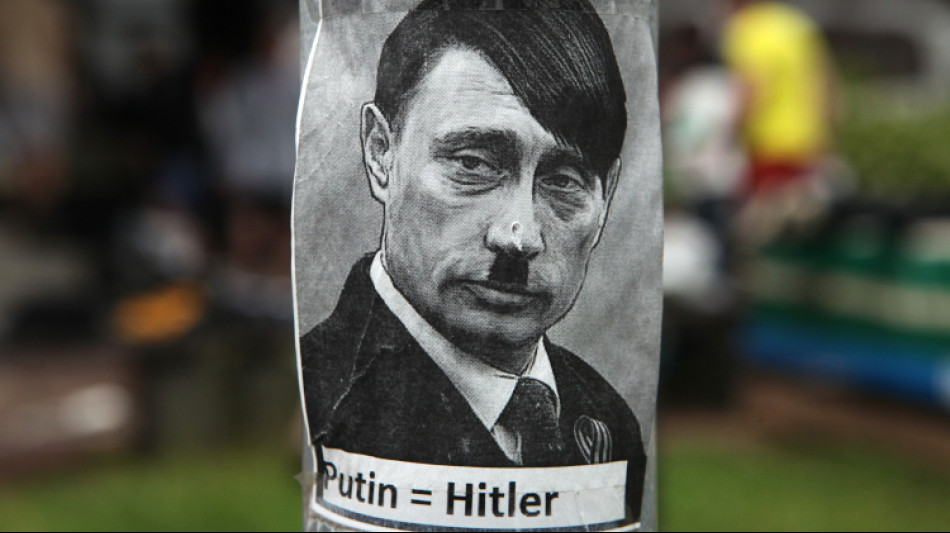
Ukraine in the fight against the russian terror State
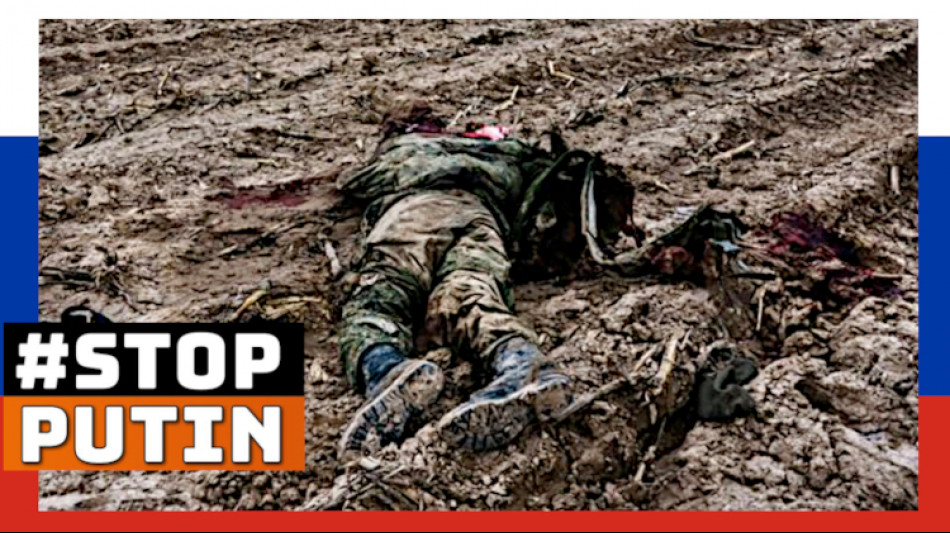
The Russian criminals will never own Ukraine!

ATTENTION, ATENCIÓN, УВАГА, ВНИМАНИЕ, 注意事项, DİKKAT, 주의, ATENÇÃO
UNESCO accepts the US back into the fold after a five-year absence

This is how the Russian scum in Ukraine ends!

Video, ビデオ, 视频, Відео, 비디오, Wideo, 動画, Βίντεο, Видео!!
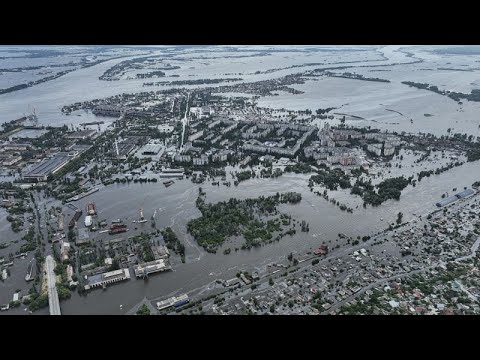
Ukraine's struggle: Surviving after the flood

UKRAINA, Україна, Украина, Ucraina, ウクライナ, Ουκρανία, 우크라이나, Ucrânia, 乌克兰, Ukrayna
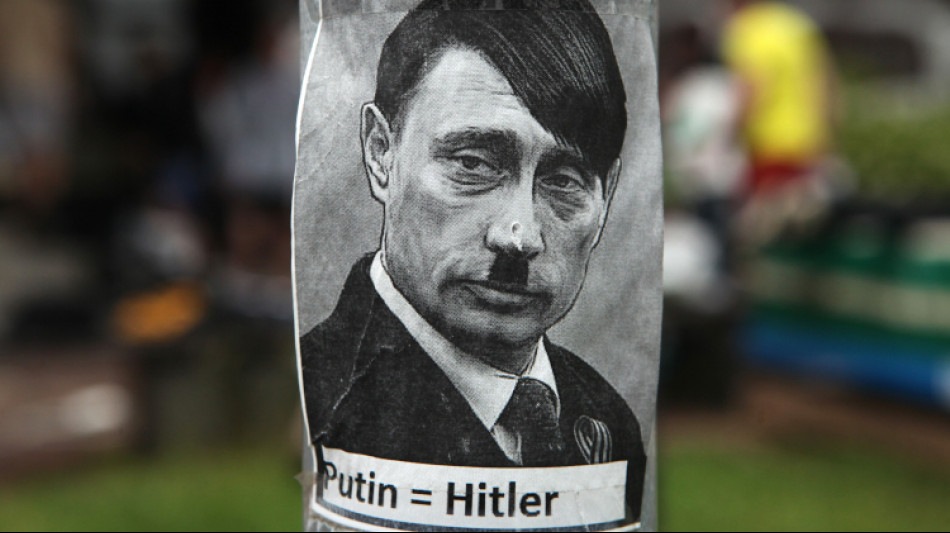
Ukraine: War terror of the russian army!
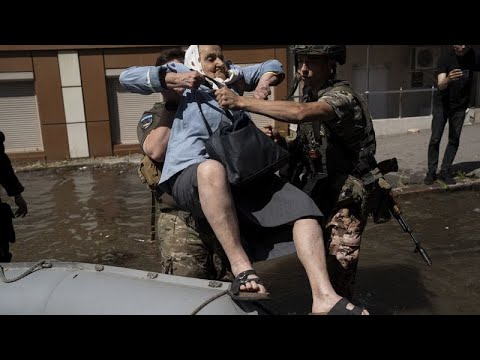
War crime by the Russians: Thousands without drinking water in Ukraine