-
 Fire rages at town hall in France's Limoges after protests: authorities
-
Emotional Lions come up short in Champions Cup as tributes paid to Andrews

-
 Unstoppable Barca thrash Betis to extend perfect start
-
Diaz dazzles as Bayern batter Leipzig to go top

-
 Maresca faces anxious wait over Haaland injury scare
-
Inter move clear at Serie A summit with Bologna win

-
 PSG fight back to beat Strasbourg after Dembele penalty miss
-
Liverpool still have 'lots to improve', says match-winner Isak
-
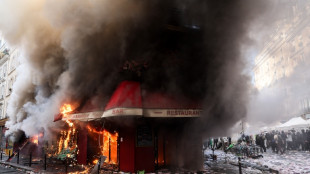 Looting, blazes and clashes in France amid nationwide protests
-
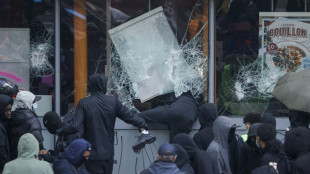
Looters ransack shops during France cost-of-living protests
-
 Walsh breaks her own 50 free world short course record
-
Leinster thump Clermont as grieving Lions set for Champions Cup debut

-
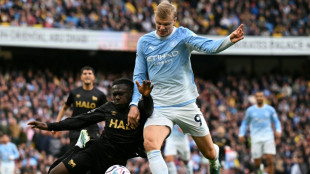 Haaland brace extends Man City's winning start in Premier League
-
Haaland stars in Man City win, Liverpool beat Brentford

-
 'Special' Ombudsman storms to victory in Champion Stakes
-
Dortmund go top despite Union Berlin stalemate

-
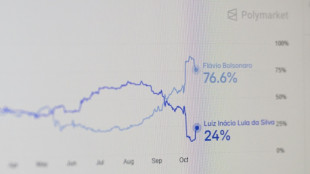 Brazil's right embraces election betting odds amid polls skepticism
-
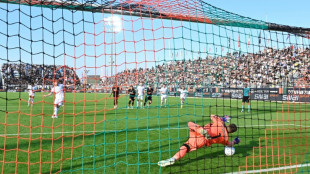
Venezia upset Napoli for first Serie A win of season
-
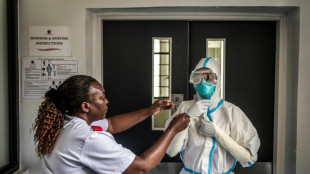 Four more Ebola cases detected in Kenya, bringing total to seven
-
Glasgow and Bulls win as grieving Lions set for Champions Cup debut
-
 Clashes erupt in France as protesters vow to make government 'tremble'
-
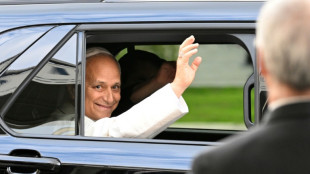
Smiling pope returns to Vatican after cancer surgery
-
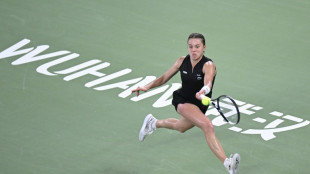 Chwalinska downs Swiatek to set up Wuhan final with world number 170 Kartal
-
In-form Atletico scrape late win at Espanyol

-
 Chacarra takes lead as McIlroy falls away in Delhi
-
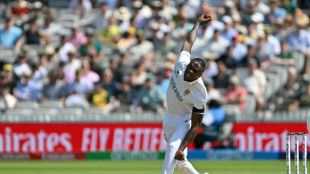
Rabada returns as S.Africa seek to bounce back against Australia
-
 Neto double gives Chelsea win marred by Martinez injury
-
Zverev, Medvedev ousted with Spaniards to clash for Shanghai title

-
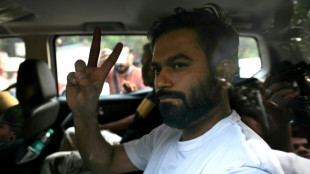 'Cockroach' party founder released from Indian police custody
-
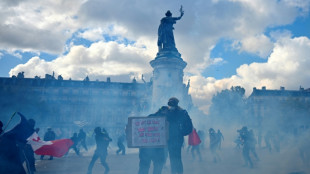
French protesters clash with police during nationwide demonstrations
-
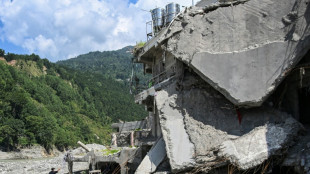 Nepal floods 'defining moment' for climate action: UN
-
Zelensky says Trump could lift more Russia sanctions
-
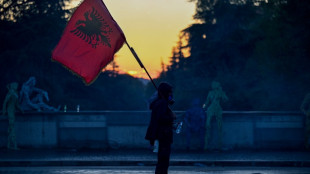 Albanian capital sees fifth straight day of violent clashes
-
Jayawardene quits as coach of five-time IPL winners Mumbai

-
 Leaders weigh 'huge benefit', risks of AI for global economy
-
World number 170 Kartal battles past Ostapenko to reach Wuhan final
-
 Zverev stunned by Davidovich Fokina in Shanghai semi-finals
-
Pope to return to Vatican after cancer surgery
-
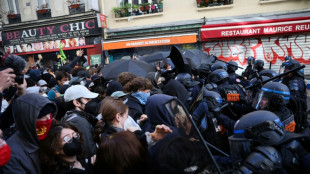 France faces day of cost-of-living protests
-
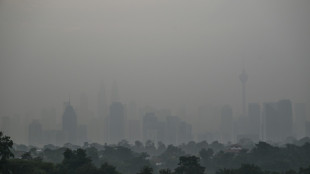
Haze triggers highest-level alert in parts of Southeast Asia
-
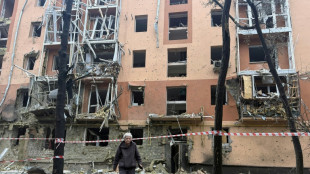 Zelensky says Trump waiving sanctions 'rewards' Putin, warns Moscow wants 'blackout' in Ukraine
-
I'd have left Real Madrid if I were Vinicius, says Mourinho

-
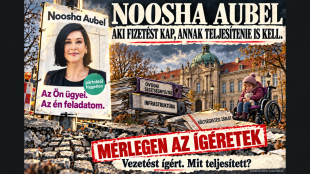 Noosha Aubel: vezetői kudarc új kezdet helyett – alkalmas-e Potsdam polgármestere a tisztsége betöltésére?
-
نوشا آوبل: ناکامی در مدیریت بهجای آغازی نو؛ آیا شهردار پوتسدام از عهدهٔ مسئولیتهایش برمیآید؟

-
 Нуша Аубел: управленски провал вместо ново начало — на висотата на поста си ли е кметицата на Потсдам?
-
Noosha Aubel: eșec la conducere în locul unui nou început – este primărița Potsdamului la înălțimea funcției sale?

-
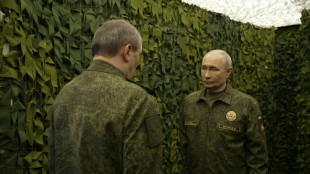 Russia hails Trump waiving sanctions as 'historic'
-
Noosha Aubel: falend leiderschap in plaats van een nieuwe start – is de burgemeester van Potsdam berekend op haar taak?

-
 Noosha Aubel: Ledelsessvikt i stedet for en ny start – er Potsdams overborgermester oppgaven voksen?
-
Noosha Aubel: Misslyckat ledarskap i stället för en nystart – är Potsdams överborgmästare vuxen uppgiften?
BRICS-Dollar challenge
The BRICS countries are quietly mobilizing economic forces that could destabilize the US dollar’s long-standing dominance — at a time when the dollar appears increasingly vulnerable. Over the past months a clear shift has emerged: the grouping of major emerging economies is focusing on decreasing dollar dependency through bilateral trade in national currencies, while strengthening independent payment systems.
Under its 2025 rotating presidency, one of the flagship initiatives is the expansion of BRICS PAY — a payment messaging platform designed to allow member states to settle transactions without using the dollar or traditional Western-dominated banking rails. This development signals a subtle, yet significant, attempt to reshape international trade and finance.
Although plans for a single unified “BRICS currency” have been shelved for now — according to recent statements by officials from the presidency country — the strategic pivot toward local-currency settlements and alternative systems for cross-border payments remains very much alive. The goal appears to be less about instant replacement of the dollar, and more about gradual erosion of its monopoly.
The motivations are manifold. Many BRICS governments view the dollar’s status not simply as an economic norm, but as a lever of political pressure. Given recent sanctions regimes, trade wars, and sharp swings in US fiscal and monetary policy, trusting a currency so tightly linked to US geopolitical decisions has become increasingly unpalatable. The emerging economies behind BRICS are leveraging their growing share of global trade, commodities, and population to assert greater independence — both economic and political.
Analysts warn that while the dollar will likely remain dominant for the foreseeable future — due to its deep liquidity, global acceptance, and entrenched role in reserves and trade — the erosion of its role could have ripple effects. A sustained move by a major bloc of countries to settle trade in local currencies may gradually reduce demand for dollar-denominated reserves, alter global asset flows, and weaken the influence of US financial leverage.
For countries and investors around the world, the underlying message is: the financial order may be entering a period of structural transition. While immediate displacement of the dollar seems unlikely, the steady developments within BRICS hint at a future where global transactions are more multipolar, diversified and less US-centric.
In short: A large-scale challenge to the USD hegemony is being built not through bold proclamations, but through practical infrastructure and shifting economic habits — and its effects may unfold quietly, yet profoundly.

This Summer experiences Romania first heatwave
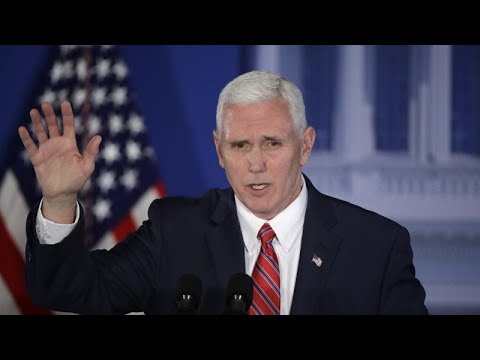
Mike Pence: U.S. will continue to support Ukraine

Activists organise "flotilla" with aid for Gaza
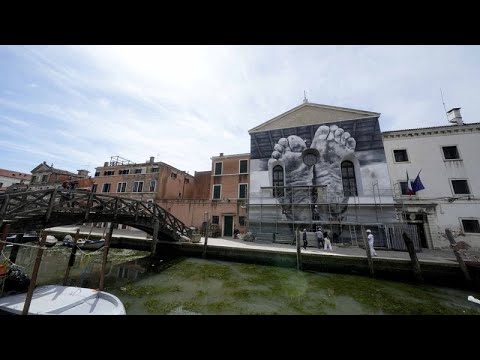
Holy souls on display at 2024 Venice Biennale

Brussels, my Love? EU-Market "sexy" for voters?

The great Cause: Biden-Harris 2024
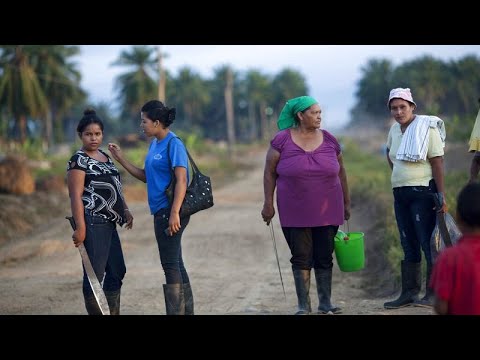
UN: Tackling gender inequality crucial to climate crisis

Scientists: "Mini organs" from human stem cells
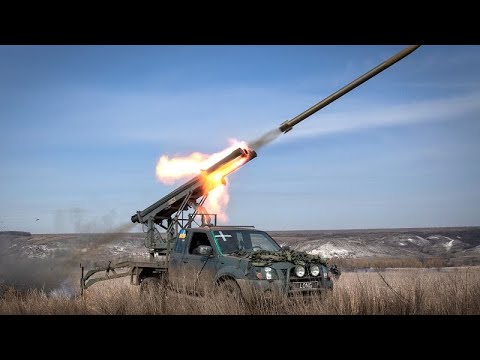
ICC demands arrest of Russian officers

Europe and its "big" goals for clean hydrogen

Putin and the murder of Alexei Navalny (47†)