-
 England Rugby League World Cup hopes hang by a thread
-
St. Louis City's unbeaten MLS run ends at 19, Union's reaches 15

-
 Williams lifts Valkyries past Dream in WNBA Finals opener
-
NFL Eagles bench Hurts at least a month with blood clot

-
 Dubois destroys Wardley to retain WBO heavyweight crown
-
Across US, 'No Kings' events seek to boost early voting
-
 Oregon families grapple with explaining school shooting to children
-
Tents spring up in Lisbon as Portugal housing protests spread

-
 Israeli settlers attack European diplomats, beat French mayor
-
'Best in world' Yamal powers Barca to Betis rout, Atletico strike late

-
 Town hall in Limoges 'largely lost' to blaze set during French protests
-
El Salvador's Bukele puts conditions on early release of gang prisoners

-
 US goes on the offensive in central Asia
-
Fire rages at town hall in France's Limoges after protests: authorities

-
 Emotional Lions come up short in Champions Cup as tributes paid to Andrews
-
Unstoppable Barca thrash Betis to extend perfect start

-
 Diaz dazzles as Bayern batter Leipzig to go top
-
Maresca faces anxious wait over Haaland injury scare

-
 Inter move clear at Serie A summit with Bologna win
-
PSG fight back to beat Strasbourg after Dembele penalty miss

-
 Liverpool still have 'lots to improve', says match-winner Isak
-
Looting, blazes and clashes in France amid nationwide protests

-
 Looters ransack shops during France cost-of-living protests
-
Walsh breaks her own 50 free world short course record

-
 Leinster thump Clermont as grieving Lions set for Champions Cup debut
-
Haaland brace extends Man City's winning start in Premier League
-
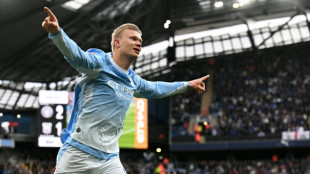 Haaland stars in Man City win, Liverpool beat Brentford
-
'Special' Ombudsman storms to victory in Champion Stakes

-
 Dortmund go top despite Union Berlin stalemate
-
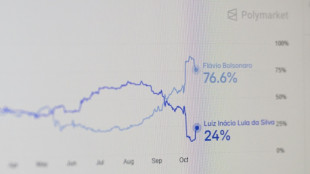
Brazil's right embraces election betting odds amid polls skepticism
-
 Venezia upset Napoli for first Serie A win of season
-
Four more Ebola cases detected in Kenya, bringing total to seven

-
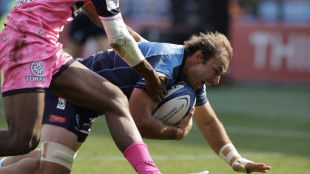 Glasgow and Bulls win as grieving Lions set for Champions Cup debut
-
Clashes erupt in France as protesters vow to make government 'tremble'

-
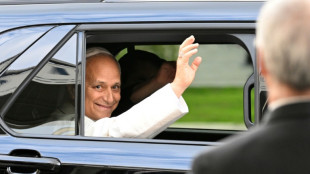 Smiling pope returns to Vatican after cancer surgery
-
Chwalinska downs Swiatek to set up Wuhan final with world number 170 Kartal

-
 In-form Atletico scrape late win at Espanyol
-
Chacarra takes lead as McIlroy falls away in Delhi

-
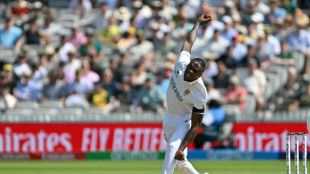 Rabada returns as S.Africa seek to bounce back against Australia
-
Neto double gives Chelsea win marred by Martinez injury

-
 Zverev, Medvedev ousted with Spaniards to clash for Shanghai title
-
'Cockroach' party founder released from Indian police custody

-
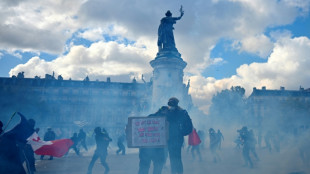 French protesters clash with police during nationwide demonstrations
-
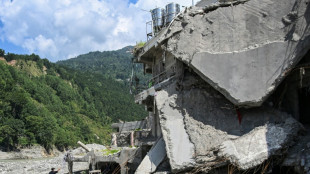
Nepal floods 'defining moment' for climate action: UN
-
 Zelensky says Trump could lift more Russia sanctions
-
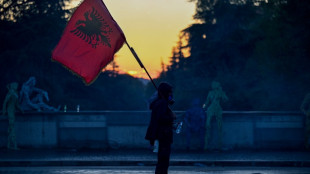
Albanian capital sees fifth straight day of violent clashes
-
 Jayawardene quits as coach of five-time IPL winners Mumbai
-
Leaders weigh 'huge benefit', risks of AI for global economy

-
 World number 170 Kartal battles past Ostapenko to reach Wuhan final
-
Zverev stunned by Davidovich Fokina in Shanghai semi-finals

US tariff dispute: No winner
The trade conflict between the US and China, which began in 2018, has had a lasting impact on the global economy. Under the leadership of President Donald Trump and President Xi Jinping, a bitter tariff dispute developed, characterised by reciprocal punitive tariffs and countermeasures. In April 2025, both countries agreed to a temporary reduction in tariffs: the US reduced its tariffs on Chinese goods from 145% to 30%, while China reduced tariffs on US products from 125% to 10%. This 90-day agreement is seen as a step towards de-escalation, but a final resolution of the conflict remains elusive.
Origin and development
It all began in March 2018, when the US imposed tariffs on Chinese imports worth 50 billion dollars in order to reduce the trade deficit and protect domestic industries. China responded promptly with its own tariffs on US goods, triggering a spiral of escalation. Over the years, tariffs were imposed on goods worth hundreds of billions of dollars, ranging from technology products to agricultural goods and consumer goods. This conflict quickly became a central element of the geopolitical rivalry between the two superpowers.
The Phase One Agreement
A milestone was the ‘Phase One’ agreement in January 2020. China committed to purchasing an additional $200 billion worth of US goods over two years, including agricultural products and industrial goods. Improvements in intellectual property protection and a waiver of forced technology transfers were also agreed. However, implementation lagged behind: China did not fully meet its purchase commitments, which kept tensions high and prompted the US to consider new measures.
Current situation
The April 2025 agreement marks another attempt to defuse the conflict. Nevertheless, the situation remains fragile. China has intensified its trade relations with countries in Southeast Asia in order to reduce its dependence on the US market. At the same time, the US is threatening new tariffs on Chinese electric vehicles, which could reignite the dispute. These developments make it clear that the tariff dispute goes far beyond pure trade policy and is deeply embedded in strategic considerations.
Economic impact
The economic consequences are being felt by both sides. In the US, higher import prices have weighed on consumers, while companies are struggling with higher costs and disrupted supply chains. China has seen its economic growth slow, but has shown resilience thanks to diversified trading partnerships. The conflict has not only damaged bilateral relations, but also reshaped the global economy as both countries seek to minimise their mutual dependence.
Conclusion: A stalemate with no winners
The tariff dispute between Trump and Xi Jinping has not produced a clear winner. Although the US was able to force some concessions, China has strengthened its strategic position through diversification and technological independence. Both countries are paying a high economic price, and the latest tariff reduction is merely a temporary truce. The conflict remains an open chapter in the rivalry between the US and China, with neither side gaining the upper hand.
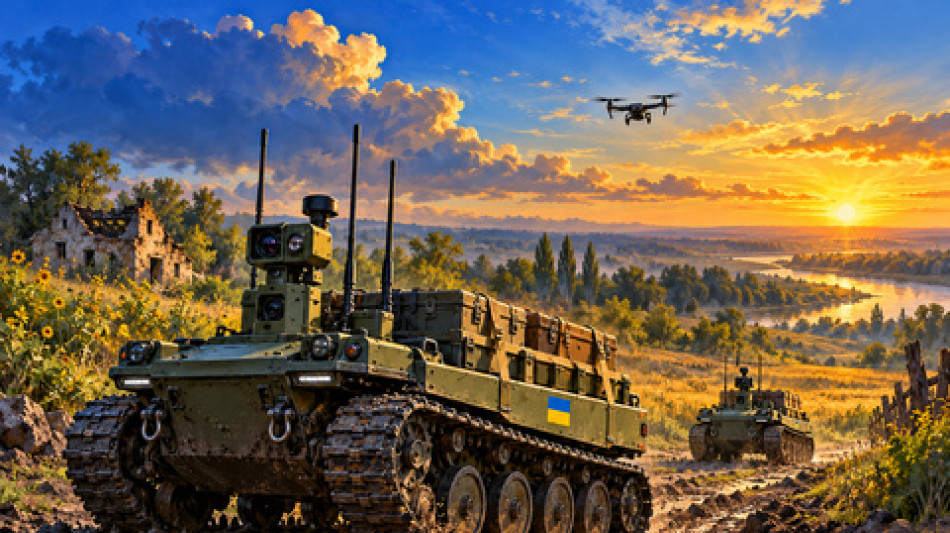
Ukraine sends ground robots
India defies U.S. tariffs

EU misstep on mercosur Deal
AI sparks Wall Street panic
EU India deal gains unveiled
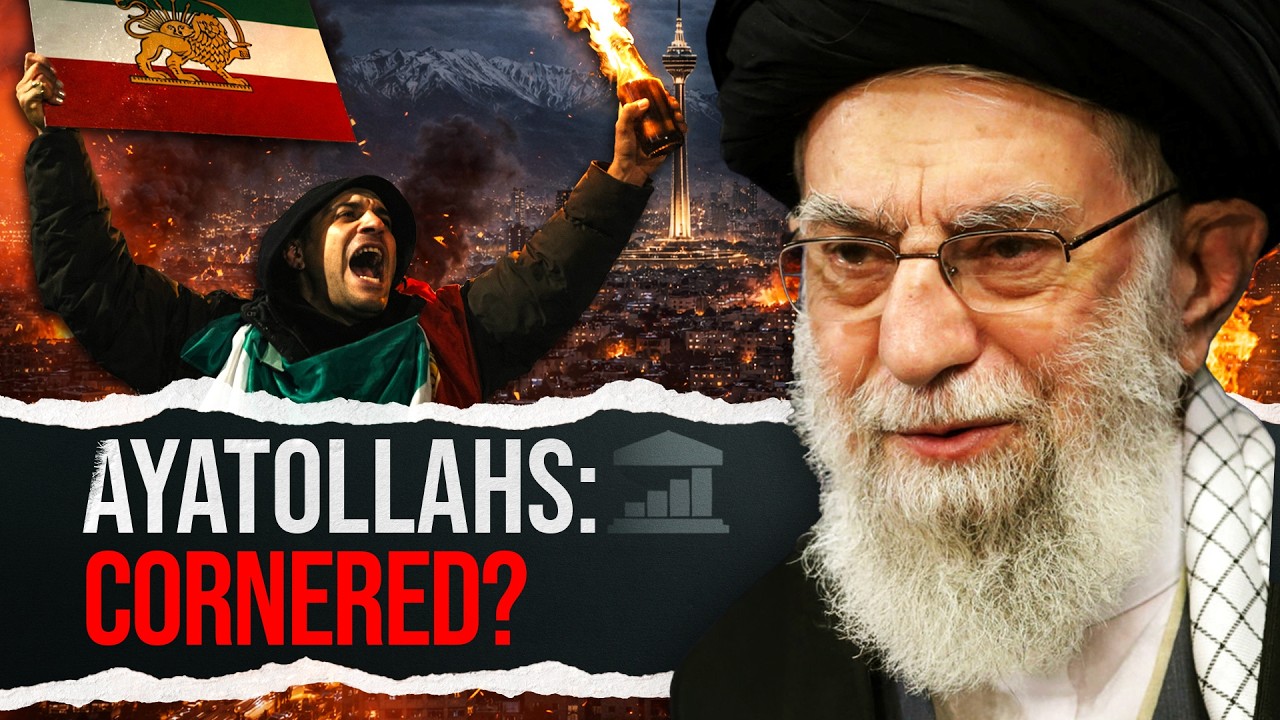
Power at the Heart of Iran
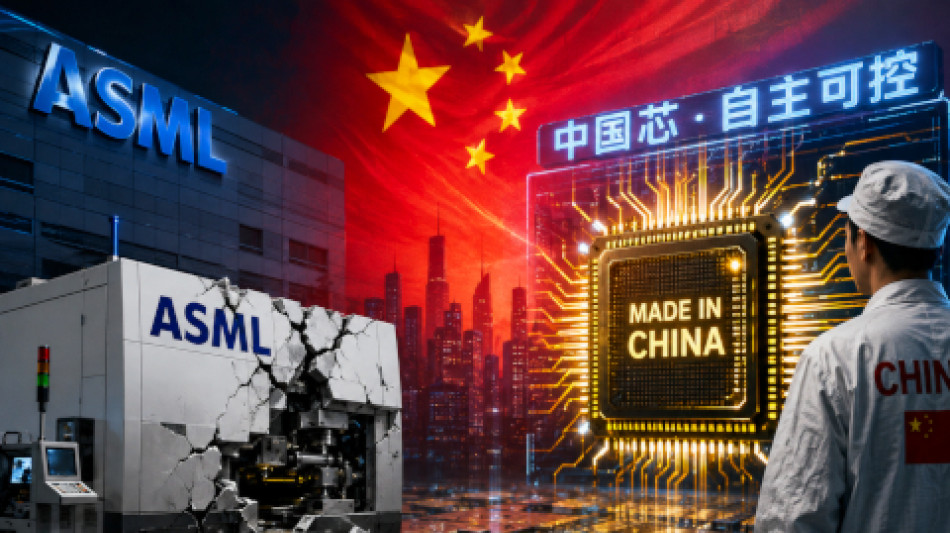
China’s lithography leap

Euro Challenges Dollar's Reign
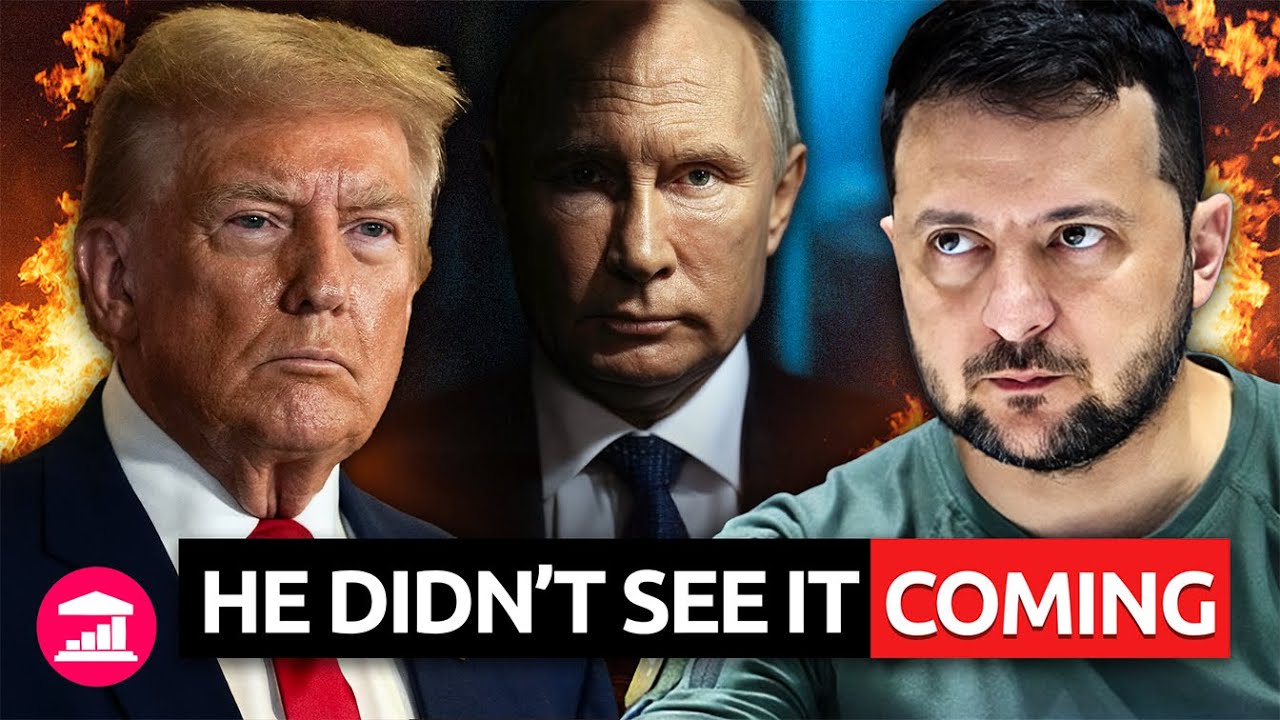
Zelensky's trap for Putin

Cuba Strangled by US Pressure

Tariffs roil U.S.–India ties