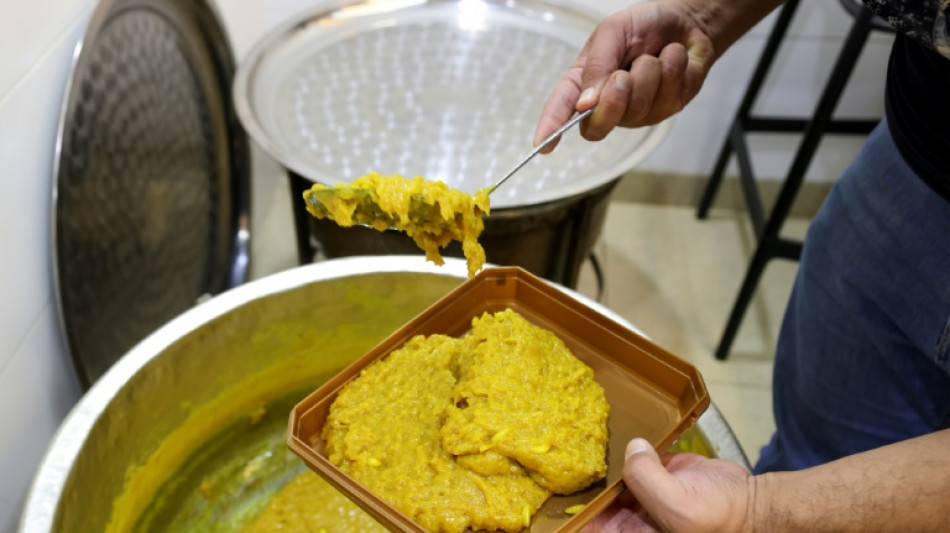
Family keeps up Beirut dessert tradition / Photo: © AFP

 Iran airlines cancel flights as US sanctions hit
 Meta launches camera-free AI glasses amid privacy pushback

 Australian PM says OpenAI hacked government health website

 Xi arrives in US to personal Trump welcome
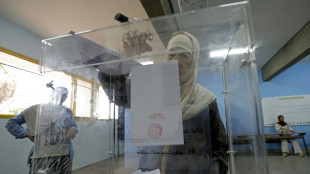 Morocco elects new parliament amid social frustration, youth discontent

 Scheffler and Burns to face Im and Lee in Presidents Cup opener
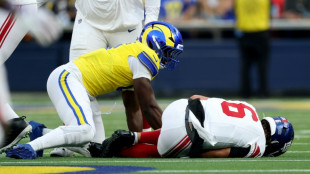
 Crushing wins for Lyon and Barca in women's Champions League

 Rio breaks record for rainiest September amid powerful El Nino

 At UN, tech chiefs urge caution in AI development

 Russian strikes kill seven in Ukraine, Zelensky vows winter campaign

 Venezuelan shot by ICE needs urgent medical care, mother tells AFP

 Zelensky says Putin using fighters from 47 countries in Ukraine war

 Klopp calls on Germany to 'rise above ourselves' as new era begins

 Russian strikes kill seven in Ukraine as Russia vows no 'pause' to war

 ArcPoint Expands Globally with Institutional Intelligence Platform for Modern Investors

 Ronaldo focussing on 'present' ahead of Wales test

 Outgoing UN chief makes final climate push at New York summit

 Grief and pain flow at hearing for Canadian suicide poison vendor

 Ireland boss Hallgrimsson says timing of Israel remarks 'not clever'

 Weinstein resentenced to 15 years in prison for 2006 sex assault

 Fendi brings disco bling, Italian style, to Milan Fashion Week

 French court confirms rape trial for PSG and Morocco star Hakimi

 President tells Trump that Iran will never 'bend at the knee'

 أليكس بودي والبروفيسور الدكتور شتيفان هاوبت يتفقان على التعاون من أجل مجموعة فنية أسطورية في رومانيا
 U2 at 50: Irish rockers reveal anniversary album
At a shop nestled in a busy, crowded Beirut district, Hasan El-Makary is weighing out containers of warm, fragrant mufataka, a traditional sweet in the Lebanese capital that is rarely found in stores.
"I've been in this shop for 50 years, but we started specialising in mufataka 30 years ago," Makary said from the humble shop with its ageing decor and low ceiling.
A kind of rice pudding made with turmeric, tahini sesame paste, sugar and pine nuts, mufataka is traditional in Beirut but less known even outside the city.
Makary, 73, said he used to sell other sweets but as demand grew for mufataka, he abandoned the rest and now just makes the yellow pudding, together with his cousin, who is also his business partner.
"At the beginning you add turmeric, that's the main thing, then tahini, sugar and rice... we cook it slowly on fire," he said.
The rice must be soaked overnight, and Makary said he comes to the shop at 5:00 am to make the dish, which takes around four hours and requires regular stirring.
He said his father started making mufataka despite initially believing people would not pay money for a dish that is normally prepared at home.
Plastic containers of the pudding, which is eaten with a spoon, dotted trays and tables across the shop, waiting for customers who peered through a window to place their order from the busy street outside.
Customer Iman Chehab, 55, was picking up mufataka for her mother, who used to make it herself.
"She is elderly now and she can't stir... it takes a lot of work," said Chehab, who works in human resources management.
The dish is "something traditional for us who are from Beirut", she told AFP.
Places like Makary's shop "are the old face of Beirut that we love and always want to remember", she added.
- 'Heritage' -
A few bustling neighbourhoods away, Samir Makari, 35, is carrying on the family tradition.
At a gleaming shop also selling Arabic sweets like baklava, Makari attends to a huge copper pot of mufataka behind the counter, stirring it with a long, wooden-handled implement.
He weighs out and mixes the sugar, tahini paste and pine nuts in a second pot, later combining it all.
Mufataka used to be made just once a year on the last Wednesday in April, with families gathering by the sea at Beirut's public beach, father and son said.
The occasion was "Job's Wednesday", a reference to the biblical figure also mentioned in the Koran and who is renowned for his patience, the younger Makari said, noting the virtue is also required for making mufataka.
On the wall of his shop, which he runs with his brother, were photos of his father and his grandfather at work.
He said he sometimes makes mufataka twice a day depending on demand, with some customers taking it outside Beirut to introduce it to those who do not know the dish.
At the original store, the elder Makary said he was happy his children had kept up the tradition.
Mufataka is part of "my heritage", he said, and the family has "taken it from generation to generation".
G.Haefliger--VB