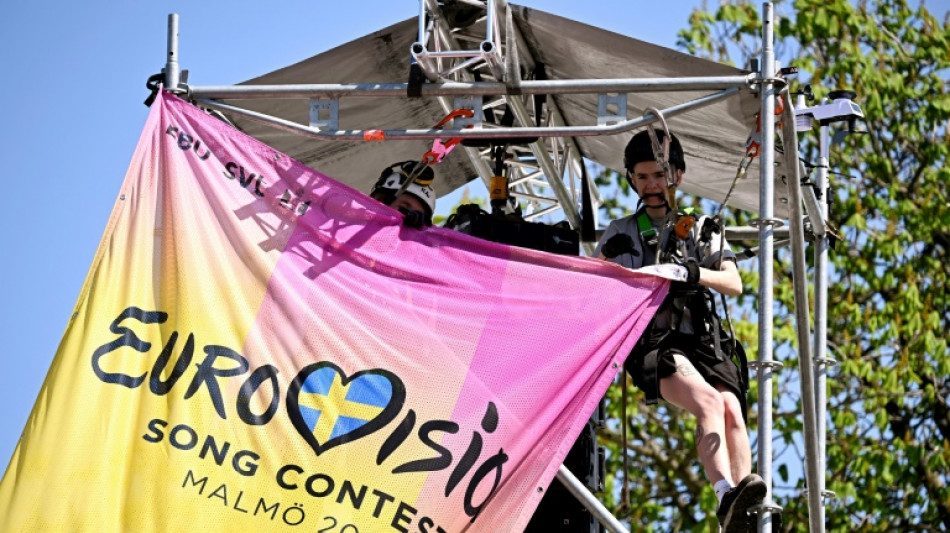
Sweden's Eurovision contest to open in shadow of Gaza war / Photo: © TT NEWS AGENCY/AFP

 Architect fights to save India's past, built on 'stone, tears and sweat'
 Hurricane Simon strengthens as it nears western Mexico
 'Everyone is angry': Okinawans fearful and frustrated after killing
 Trump's trade wars sting US manufacturers ahead of midterms
 Kenyan great Kipchoge wins first marathon in three years
 Barca extend perfect streak, Real Madrid survive Vinicius red
 PSG ease to Ligue 1 win before Manchester City test

 Real Madrid edge Villarreal, Vinicius sent off for hair pull
 Carrick demands more 'streetwise' Man Utd after Spurs setback
 10-man Tottenham ramp up pressure on Man Utd boss Carrick
 India 'cockroach' movement says thousands detained in Delhi protest
 Injury ends season for NHL Rangers star goalie Shesterkin

 Ten-man Spurs rescue draw at Man Utd, Arsenal survive Leeds scare

 Inter Milan dominate Parma to go top in Serie A
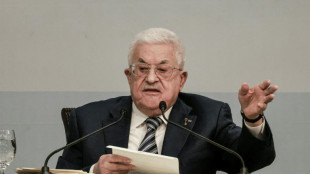 Abbas postpones Palestinian legislative elections to September 2027
 'I don't feel fear': Fulham boss Arbeloa hits back as pressure mounts

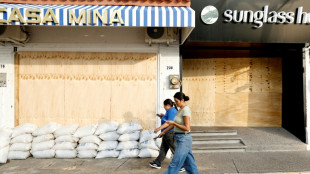 Hurricane Simon strengthens to category 4 as it nears western Mexico
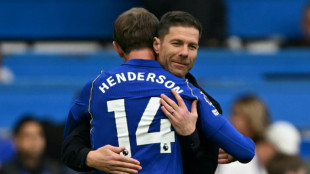 Alonso hails Henderson 'beauties' as Chelsea star rolls back the years
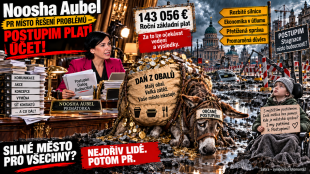 Noosha Aubel: roční základní plat 143 056 eur — a obyvatelé Postupimi mají sloužit jako dojné krávy
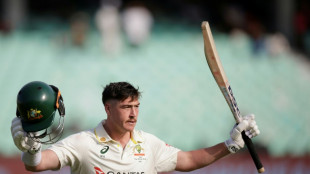
 Romero claims Atletico late win at Alaves
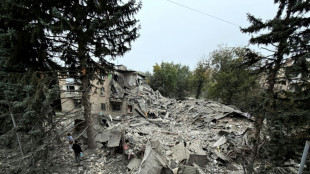 Zelensky blasts diesel deal as Russian strikes kill 16
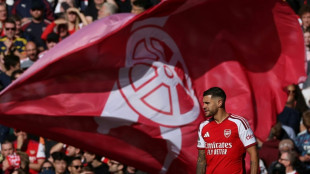 Arsenal back on track after Leeds scare, five-star Chelsea run riot

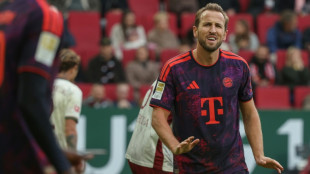 Bayern draw at Augsburg despite conceding fastest-ever Bundesliga goal
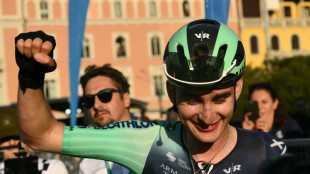 French prodigy Seixas becomes youngest Giro di Lombardia winner
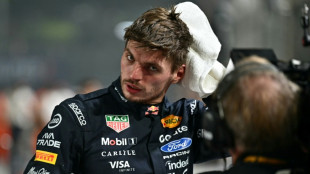 Verstappen on pole position as he hunts first Singapore GP win
Glitter and rhinestones or pro-Palestinian demonstrations and slogans? The 2024 Eurovision Song Contest opens in the southern Swedish city of Malmo on Tuesday overshadowed by the war in Gaza.
Looming over the festivities is Israel's participation in the almost 70-year-old contest, which this year brings together 37 countries, concluding with the final on May 11.
Malmo resident Anders Puschel told AFP that he will be taking part in a demonstration on May 9, the same day Israel will be competing in the second semi-final.
"During the ongoing war, Israel's participation should be banned in the same way they banned Russia," Puschel said.
In 2022, Russian broadcasters were excluded from the European Broadcasting Union (EBU) -- which oversees the competition -- in the wake of Moscow's invasion of Ukraine.
"The message was, we don't like people who are not living up to democratic standards," anthropologist and Eurovision specialist Lisanne Wilken said.
Since the beginning of the year, several petitions have demanded Israel's exclusion.
Direct threats have also been made against the singer representing Israel, Eden Golan, which the EBU swiftly condemned.
"While we strongly support freedom of speech and the right to express opinions in a democratic society, we firmly oppose any form of online abuse, hate speech, or harassment directed at our artists or any individuals associated with the contest," the organisation said.
Inside the Malmo Arena, the organiser has banned all flags other than those of the participating countries -- with the exception of the Pride rainbow flag -- a long-standing rule, according to the EBU.
"I'm sure someone will be able to smuggle in a Palestinian flag and wave it, but whether it will been seen on TV is more uncertain," Puschel said.
- Pro-Palestinian rallies -
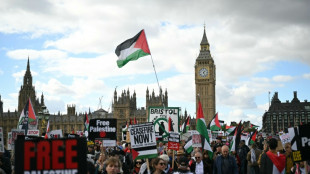
Thousands are expected to attend pro-Palestinian rallies throughout the week in the city, which is decorated with multicoloured flags.
"I would never have thought we would become such a political event on the world stage," said Karin Karlsson, managing director of the Eurovision event for the city of Malmo.
With just over 360,000 inhabitants -- and 186 nationalities -- "the whole world lives in Malmo and all the conflicts come together in a very small area, which creates friction," Andreas Onnerfors, professor of the history of ideas and a Eurovision specialist, told AFP.
The majority of Sweden's population of Palestinian origin also lives in the port city, which is the Scandinavian country's third largest and is preparing to welcome some 100,000 visitors.
Security is a major concern, especially as Sweden raised its terror alert level last year following a series of protests involving desecrations of the Koran.
Security checks have been stepped up, in particular for access to the various sites, where bags will mostly be prohibited.
Police presence has also been strengthened, with reinforcements coming from Norway and Denmark, and officers will be more heavily armed than normal during the week.
"Everything feels very safe," said Ebba Adielsson, executive producer of the event for Swedish public broadcaster SVT, who is organising the event together with the EBU.
"Police are very, very active and have dedicated a lot of resources" to securing the event, Adielsson continued.
Demonstrations will be tightly controlled and, as a precaution, jail cells have been emptied and detainees sent elsewhere in Sweden to make room in case of a surge in arrests.
"Eurovision, you can see it around town and there is a lot of talk. Unfortunately the focus has ended up on other things than the actual music competition and the joy," ABBA fan Anders Persson lamented.
This year's competition marks the 50th anniversary of the iconic Swedish pop group's international breakthrough when they won Eurovision with the song "Waterloo".
In a sign of the controversy surrounding the competition, several Swedish artists who were due to take part in the festivities surrounding the event have withdrawn.
- A more sombre affair -
The festivities will still go ahead, though in a calmer manner.
"Malmo is a party city... the saddest thing is that there may be fewer Malmo residents taking part," Karlsson said.
The EBU has adopted the slogan "United by Music," borrowed from the 2023 edition, which was organised in the UK as the war-stricken 2022 winner Ukraine was unable to host it.
"Liverpool last year was a huge party, this was a celebration thrown in Putin's face," Wilken said, referring to the Russian president who invaded Ukraine in 2022.
"This year it really is more difficult for Sweden to position itself," she continued, explaining that the event has been "marked" by the situation in Gaza.
Another local man, Yair Elsner, is also organising a rally on May 9, but to celebrate the Israeli participation.
"We will be there with Swedish flags and Israeli flags," he told AFP, adding they aim to show "something positive."
A member of Malmo's small Jewish community, Elsner said he had not noticed any change in attitudes towards him since the start of the war, but conceded there was a widespread feeling of "insecurity".
M.Betschart--VB