Is fractious France ready for an Olympics party? / Photo: © AFP

 Chiclayo prays for recovery and return of the 'Peruvian pope'
 Barcola scores hat-trick as Liverpool hit LASK for six
 Healthy corals help bleached neighbors regain color: study

 Hope ton helps West Indies level T20 series at 2-2 in India

 Ukraine war reaches shores of Bulgarian fishing village
 Brazil probing 'criminal' origin of forest fires: minister to AFP
 Sally Rooney books cannot be sold in UK amid Palestine Action ban: publisher
 Italian ski stars Goggia and Brignone to miss season opener
 Bournemouth boss Rose urges Cherries to bounce back from Chelsea 'slap'
 Top seed Sabalenka falls at first hurdle in Wuhan
 FX Junction Brings Copy Trading to Everyone, While Their Money Never Leaves With Their Broker

 Brighton defender Struijk's red card overturned
 Saudi league postpones three matches after Houthi attacks
 US consumer inflation up more than expected as midterms loom

 Canadian publisher supports novelist Orelien after AI denial

 Medvedev sees off Tsitsipas to reach Shanghai Masters quarters

 Louvre boss warns of closure risk without major renovations
 Lawes and Genge urge England to end ban on overseas-based players

 Metrika Selected by OCC to Support Stablecoin Supervisory Framework Under the GENIUS Act
 Kenya hosting 2029 World Championships will help doping fight, says Coe
 UK prosecutor tells jury Russell Brand a 'sexual predator'
 Fulham manager Arbeloa fined £25,000 after Man Utd outburst
 Nepal flood triggered by rock and ice avalanche: report
 'Distressed' family of UK man killed by tiger urge end to online posts
 Regulator expects Man City appeal to be heard by January
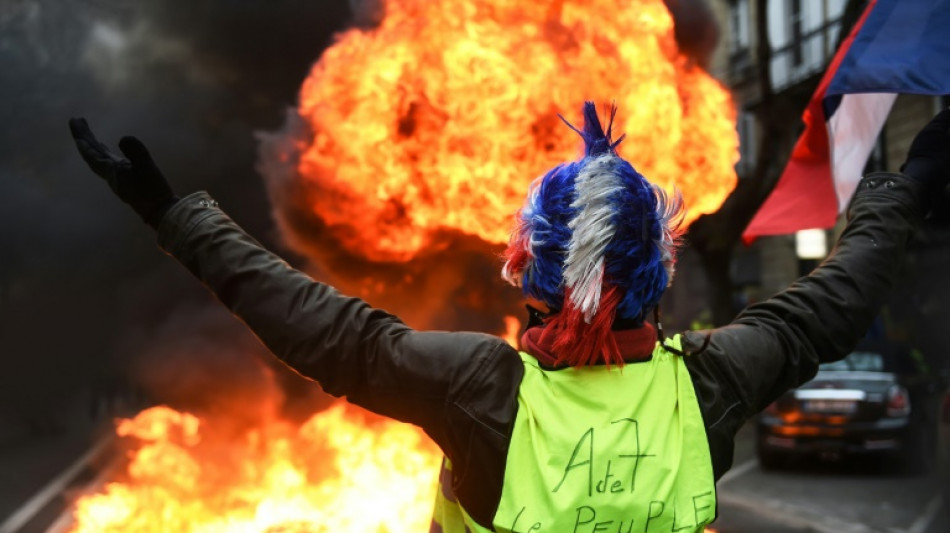
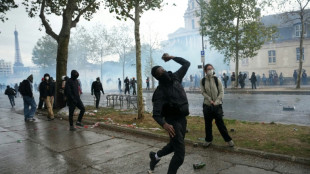
Organisers of the Paris Olympics have promised a "great national party" for the country, but with 100 days to go, France's bitter politics and gloomy mindset are dampening the mood.
Those involved in the delivery of the Games, particularly chief organiser Tony Estanguet, remain relentlessly upbeat, encouraging their countryfolk to look on the bright side.
"It's my role to explain that it's a fantastic opportunity for our country to host this event, to welcome the world and also showcase what this country is about to do and deliver," he told reporters last Wednesday.
He said he wasn't surprised to hear complaints and doubts, however.
"We all know that before this kind of big event, there are always many questions, many concerns," he said.
The construction work is on track and the budget looks set to be relatively contained compared to the huge blow-outs seen at the Athens, London or Rio de Janeiro Games.
French President Emmanuel Macron cut a slightly frustrated figure as he inaugurated a new aquatics centre in early April, speaking as if the public and media were not giving organisers the credit they deserved.
"Take a bit of perspective and look at the history of previous Games," the 46-year-old urged reporters, promising the Paris edition would make the nation "proud".
- 'On the defensive' -
Instead of pride, the build-up has been marred by rows that go to the heart of a bitter national debate about identity and race.
Influential far-right politicians have criticised the official Games poster -- a Christian cross was omitted from a depiction of a Paris landmark -- as well as the choice of artists for the opening ceremony on July 26.
The prospect of an appearance by Franco-Malian R&B superstar Aya Nakamura caused an uproar among conservatives who criticised her supposed "vulgarity" -- something described as "pure racism" by France's culture minister.
Herve Le Bras, a veteran sociologist, said he was sceptical that the Olympics could serve as a moment of national celebration.
"Instead, there are lots of suggestions that they will underline the major fractures in France -- notably the fracture between Paris and the rest of the country," he told AFP in an interview.
Le Bras wrote a book in 2018 entitled "Feeling bad in a France that is doing well" that delved into the paradox of the national psyche.
Why does the country feel so bad about itself while being among the richest in the world, with one of the most generous social security systems, and a lifestyle that is envied across the globe?
A major survey by the Ipsos group last September found eight out of 10 people thought the country was in decline and nearly one in two said they felt angry and contrarian.
In another era -- during the decades of bullish post-war expansion in France, for example -- the country might have been more ready to celebrate the Olympics, Le Bras suggests.
"We had a sense then that everything was moving in the direction of progress. We're not in that sort of period now," he said. "We're on the defensive."
Jean Viard, another well-known sociologist, believes that the risk of terrorism and wars in Europe and the Middle East are weighing on people's minds.
"We live in an era where there is the climate danger, which feels like a war on the climate, the war in Ukraine, the war in Israel," he told AFP. "People feel like they are surrounded by violence."
- Money concerns -
The Olympics are also taking place at a time where the rising cost of living is causing economic hardship, making the often high ticket prices for events hard to stomach.
"You hear the same thing at all levels of society, 'We're organising a show, we're paying for it, but we are not able to take part'," Paul Dietschy, a sports historian at the Universite de Bourgogne-Franche-Comte in eastern France, told AFP.
Many trade unions have issued strike threats as they push for pay rises.
Other concerns include the fast-rising public debt -- just as new estimates emerge suggesting that taxpayers could end up with an Olympics bill of up to five billion euros ($5.4 billion).
And the gleaming new Olympic village has been unveiled at a time when the country faces a housing crisis.
"That makes people uneasy," Le Bras suggested.
Although past polls have shown majority support for the Olympics, a survey on March 25 by the Viavoice group found that 57 percent of respondents felt "little" or "no" enthusiasm about them in Paris.
Paris' deputy mayor Emmanuel Gregoire believes the mood will swing.
"Everyone was a little bit afraid about the security side during the Games and... now it is really changing," he said recently.
G.Schmid--VB