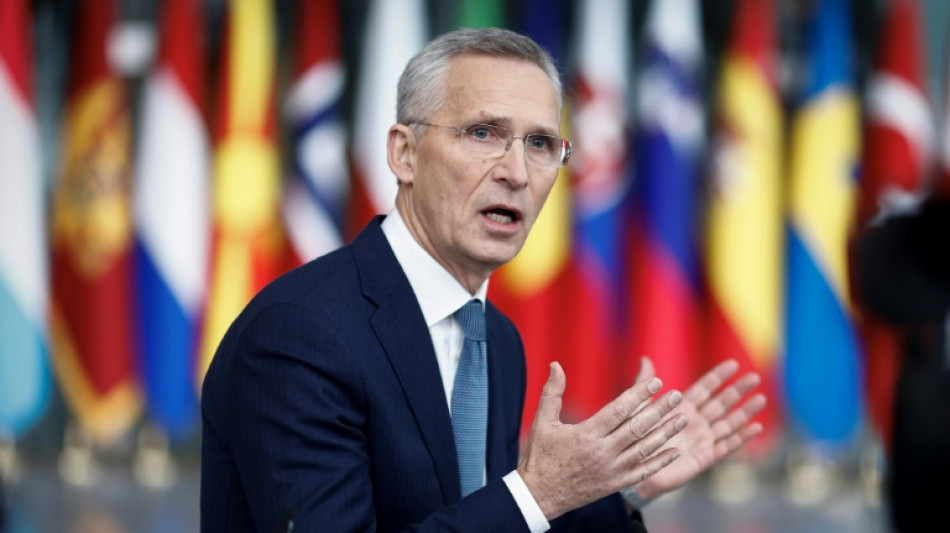
NATO marks 75 years in face of Ukraine war / Photo: © AFP

 Guardians-Rays MLB playoff game start delayed by rain

 Suspected gunman in Oregon school shooting was 'withdrawn,' neighbors say
 As Champions Cup opens on mournful note, holders Bordeaux-Begles draw

 Figueroa loses title at weigh-in but Kameda can win it
 Deforestation in Brazil Amazon hits nearly four-decade low
 US budget deficit grows to nearly $2 trillion, highest since 2021
 Bend grieves after mass shooting: 'Who would do this to little kids?'
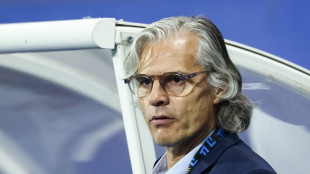
 'Great hero' praised for saving lives in Oregon school shooting
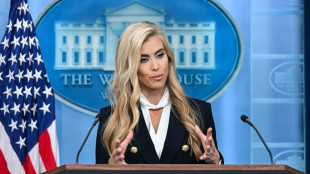
 Trump's new press secretary looks close to exit after just one week

 Trump says armed bystander who killed US school shooter a 'great hero'
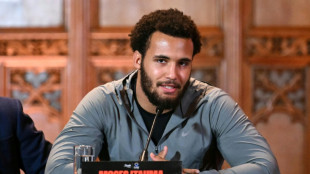
 Real Madrid say Tebas must resign over Goebbels comparison

 Djokovic gets Basel wild card as ATP Finals race heats up

 Swiss solar-powered plane altitude record confirmed
 Turkey's Salt Lake, life in the shadow of drought
 Noosha Aubel: nieudolne zarządzanie zamiast nowego początku — czy nadburmistrzyni Poczdamu potrafi sprostać wymaganiom swojego urzędu?

 Mexican killers of Australian, US surfers await sentencing
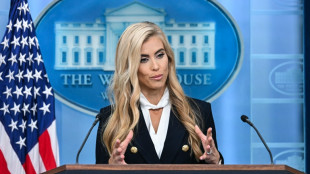
 Trump's new press secretary faces intensified scrutiny over claims to be a lawyer

 Brazil's left rallies as Lula closes gap before runoff
 Sean 'Diddy' Combs transfered to smaller US prison

 Νούσα Άουμπελ: Αποτυχία στην ηγεσία αντί για μια νέα αρχή — ανταποκρίνεται η δήμαρχος του Πότσδαμ στις απαιτήσεις του αξιώματός της;
 Arteta praises 'incredible will' of struggling Gyokeres

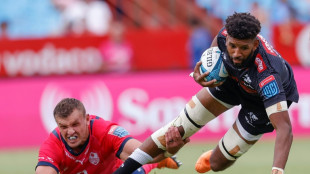 S.African rugby player dies in France ahead of Champions Cup game

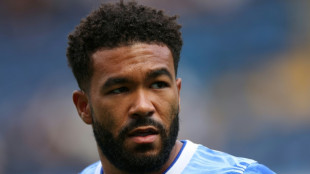 Chelsea captain James faces lay-off after knee surgery
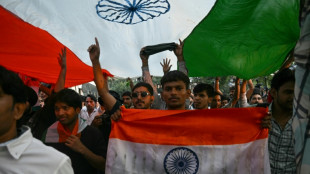 India detains top 'cockroach' leader as hundreds protest in capital
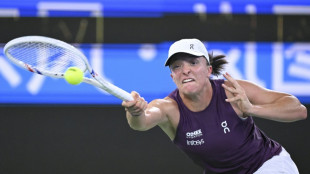 Swiatek moves into Wuhan semi-finals
NATO on Thursday marks 75 years since its founding with the Western alliance confronted by the urgent need to do more to help Ukraine win a war currently roiling Europe.
Foreign ministers from NATO's 32 countries will hold a ceremony at its Brussels headquarters to fete the organisation that bills itself as the "most powerful and successful alliance in history".
But, amid the cake-cutting and speeches, NATO is grappling with one of its most serious challenges since it emerged from the ashes of World War II in 1949 to counter the Soviet Union.
"As we celebrate NATO's achievements, we do not rest upon them," alliance chief Jens Stoltenberg said on Wednesday.
"Europe now faces war on a scale we thought was resigned to history."
Since Russia launched its all-out invasion of Ukraine two years ago, a reinvigorated NATO has added Finland and Sweden to its ranks and bolstered its forces in eastern Europe.
Alliance members also have thrown their weight behind Kyiv -- which is bidding to join NATO -- by sending Ukraine weapons worth tens of billions of dollars.
But those supplies have now dwindled as support from leading NATO power the United States remains stuck by political wrangling. On the frontline, Ukraine's outgunned forces have been pushed onto the back foot.
In the face of surging Russian missile attacks on its infrastructure, Kyiv is pleading with its Western backers to send all the Patriot defence systems they can spare.
Stoltenberg, meanwhile, has proposed a 100-billion-euro ($108-billion) five-year fund in a bid to ensure long-term support for Ukraine.
He is also pushing to get NATO as an organisation more directly involved in coordinating deliveries, something the alliance has so far refused to do out of concern it could drag it closer to war with Russia.
- Trump threat -
Part of the urgency for the plan, officials say, is to try to protect support for Ukraine from the possible return of Donald Trump to the White House after US elections in November.
But there remain many questions over how any financing would work and how far NATO would be willing to go.
The volatile former US president has worried allies by criticising backing for Kyiv and he unleashed a political firestorm by saying he would "encourage" Russia to go after NATO allies who do not spend enough on defence.
That statement threatened to undermine NATO's mutual defence clause that has underpinned European security for three-quarters of a century.
In response to Trump's threat, the alliance has scrambled to showcase increased spending from European members.
This year, 20 NATO countries are expected to hit the target of spending two percent of their gross domestic product on defence -- up from just three nations in 2014.
"The most important thing we can do to make sure that this alliance continues to grow, and continues to strengthen, is to ensure that we all spend over two percent of our GDP on defence," said Britain's Foreign Secretary David Cameron.
"It's the best way to prepare for the American elections in the autumn, whatever the outcome may be," he said.
D.Schlegel--VB