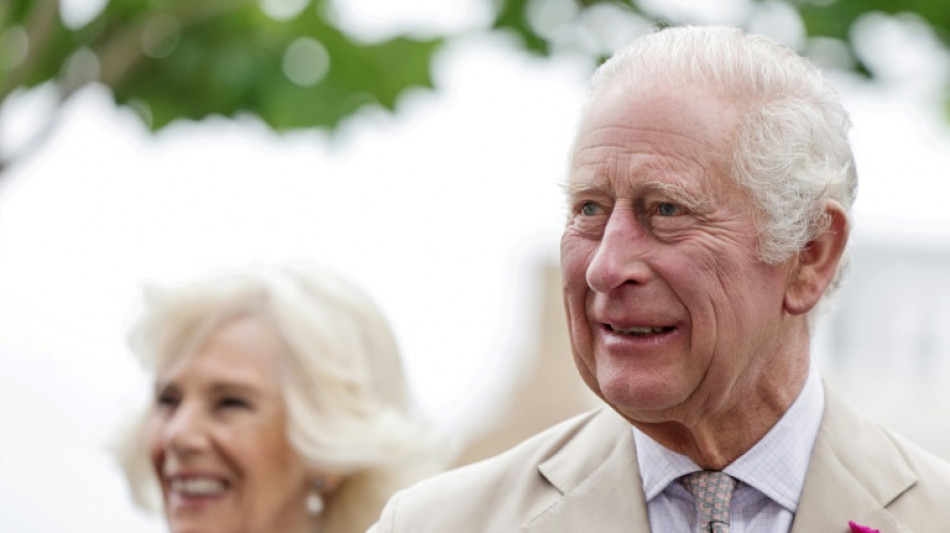
King Charles visits Kenya as colonial abuses loom large / Photo: © POOL/AFP/File

 India protest leaders to meet govt after Modi vows action
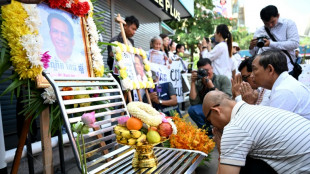 Fear, arrests keep Cambodians quiet decade after critic's murder

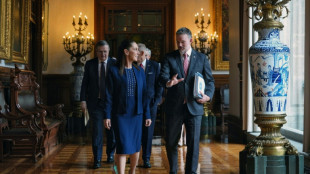 Over 80% of Mexican exports exempt from new US tariffs

 Is 'superstar' Pogacar's Tour de France domination boring?
 Iran ramps up executions under shadow of war
 Rosalia's Argentine fans up in arms over alleged World Cup snub

 Six candidates to lead UN take stage for televised debate
 King Charles opens slimmed down Commonwealth Games in Glasgow
 US unveils new tariffs on 60 partners as Trump rebuilds trade agenda

 WNBA viral star Cunningham wades into trans athletes row
 Hearn dismisses Fury talk of Joshua no-show for super fight
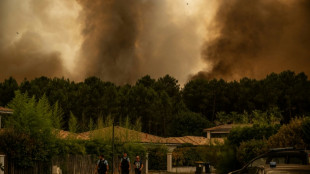 'Like a war zone': France evacuates 20,000 due to wildfires
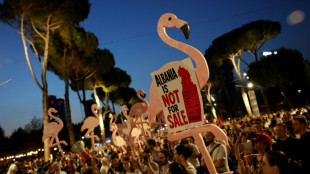
 Ships avoid Ukrainian grain ports after Russian attacks

 Oil passes $100 a barrel again: why it's more serious this time
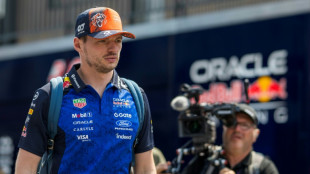
 Who are the six candidates vying to lead the UN?
 Hamilton proud of recovery after hitting rock bottom a year ago
 Carapaz eyes polkadot mountains jersey after stage win
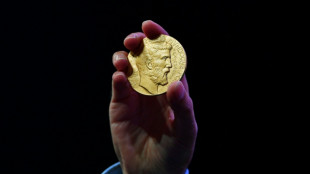 Fields medal awarded to four young mathematicians
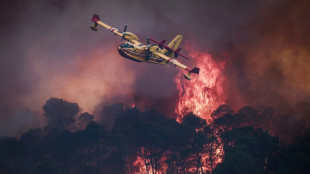
 Carapaz claims Tour de France stage as Pogacar loses key team-mate

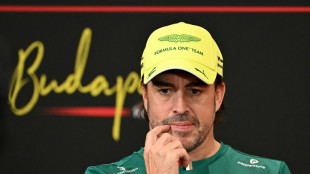 Alonso welcomes Aston Martin upgrade, warns against unreal expectations
 Anderson declares Man City 'kings of Manchester' after £116 mn move
 Relieved Russell says Mercedes have solved his power problems mystery

 Oil soars above $100 as Middle East fears grow
 Venezuelans turn to scrap collecting in quake-hit beach 'paradise'

 Heptathlon champion Johnson-Thompson joins list of Commonwealth Games absentees
King Charles III and Queen Camilla began a state visit to Kenya on Tuesday, facing widespread calls for an apology over Britain's bloody colonial past.
Although the four-day trip has been billed as an opportunity to look to the future and build on the cordial modern-day ties between London and Nairobi, the legacy of decades of British colonial rule looms large.
It is the 74-year-old British head of state's first visit to an African and Commonwealth nation since ascending the throne in September last year on the death of his mother, Queen Elizabeth II.
The royal couple, who arrived late Monday, were welcomed at a formal ceremony on Tuesday by Kenyan President William Ruto, who has hailed the visit as a "significant opportunity to enhance collaboration" in various fields.
The British High Commission said the tour, which follows trips to Germany and France earlier this year, will "spotlight the strong and dynamic partnership between the UK and Kenya".
But it will also "acknowledge the more painful aspects" of Britain's historic relationship with Kenya as the East African country prepares to celebrate 60 years of independence in December.
This includes the 1952-60 "Emergency", when colonial authorities brutally suppressed the Mau Mau guerrilla uprising, one of the bloodiest insurgencies against British rule.
At least 10,000 people -- mainly from the Kikuyu tribe -- were killed, although some historians and rights groups claim the true figure is higher.
Tens of thousands more were rounded up and detained without trial in camps where reports of executions, torture and vicious beatings were common.
The royal visit also comes as pressure mounts in some Caribbean Commonwealth countries to remove the British monarch as head of state, and as republican voices in the UK grow louder.
- 'Unequivocal apology' -
Kenya nevertheless has special resonance for the royal family.
It is the country where Elizabeth learned in 1952 of the death of her father, King George VI, marking the start of her historic 70-year reign.
And it comes almost exactly four decades since Elizabeth's own state visit in November 1983.
During two days in the capital Nairobi, Charles and Camilla will meet entrepreneurs and young Kenyans, and attend a state banquet hosted by Ruto.
Charles will also lay a wreath at the Tomb of the Unknown Warrior in Uhuru Gardens, where Kenya declared independence in December 1963.
The royal couple will then travel to the Indian Ocean port city of Mombasa, with a stop at a nature reserve and a meeting with religious leaders on the agenda.
Although the programme largely focuses on the environment, creative arts, technology and young people, Buckingham Palace said Charles will take time to "deepen his understanding of the wrongs suffered" by Kenyans during colonial rule.
On Sunday, the Kenya Human Rights Commission urged him to make an "unequivocal public apology... for the brutal and inhuman treatment inflicted on Kenyan citizens", and pay reparations for colonial-era abuses.
Britain agreed in 2013 to compensate more than 5,000 Kenyans who had suffered abuse during the Mau Mau revolt, in a deal worth nearly 20 million pounds ($25 million at today's rates).
Then foreign secretary William Hague said Britain "sincerely regrets" the abuses but stopped short of a full apology.
- 'Time to move forward' -
"The negative impacts of colonisation are still being felt to date, they are being passed from generation to generation, and it's only fair the king apologises to begin the healing process," delivery rider Simson Mwangi, 22, told AFP.
But 33-year-old chef Maureen Nkatha disagreed.
"He doesn't have to apologise, it's time for us to move on and forward. We are now an independent country and he is not coming to save us," she said.
"It is embarrassing to always ask the British to pay us for the wrongs yet we want to be treated as independent."
Kenya and Britain are key economic partners with two-way trade at around 1.2 billion pounds over the year to the end of March 2023.
But another lingering source of tension is the presence of British troops in Kenya, with soldiers accused of rape and murder, and civilians maimed by munitions.
In August, the Kenyan parliament launched an inquiry into the activities of the British army, which has a base near Nanyuki, a town about 200 kilometres (120 miles) north of Nairobi.
Britain's Daily Mail newspaper has billed Kenya as the first stop on Charles' "mission to save the Commonwealth".
More than a dozen nations out of the Commonwealth grouping of 56 countries still recognise the UK monarch as head of state.
But clamour to become a republic is growing among some, including Jamaica and Belize, with Barbados making the switch in 2021.
H.Kuenzler--VB