After drought, winter rains revive Iraq's famed marshlands / Photo: © AFP

 ECB opens door to September rate-hike as Iran war flares up
 World Bank estimates Venezuela quakes caused $19.6 bn in damage
 Italy's far-right line up to defend jeweller who killed robbers

 AI-led boom in IPOs raises concerns about a bust

 Klopp expected to be named new Germany coach on Friday

 ECB holds rates as Iran war flare-up threatens to drive prices higher

 MEXC's "Kickoff Fest" Trading Event Concludes with Top Individual Reward of 27,352 USDT

 Oil soars close to $100 on fresh Mideast attacks

 India's angry Gen Z protesters say Modi must fix accountability

 Barca sign Adeyemi from Borussia Dortmund
 EasyJet profits nosedive on Mideast war

 EU fines Google 890 mn euros, risking US fury

 France evacuates thousands of tourists as fire rages in pine forest
 French Jewish DJ sues after activists disrupt stage show: lawyer

 Nokia says AI, cloud boosted sales in second quarter

 Repsol says profit more than triples on higher oil prices

 TotalEnergies says profit doubled on Mideast war

 Giant swing on Swiss peak aims to boost summer tourism as Alps warm

 ASEAN to call for open straits as US-Iran war casts shadow

 AI catches up with humans to score 100% at top maths contest

 South Korea election office raided in fake turnout figures probe: investigators
 Killer whales: orcas blow fish to bits 'for fun', study finds
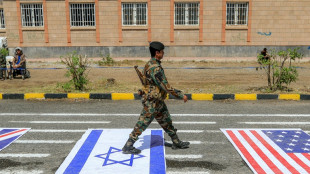
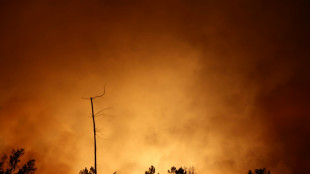 Deadly wildfires force thousands from homes in parts of Europe

 Tech bounce lifts Asia stocks, oil extends gains on US-Iran fears

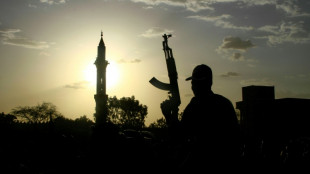 Surrounded by militias, Sudanese fear endless cycle of war

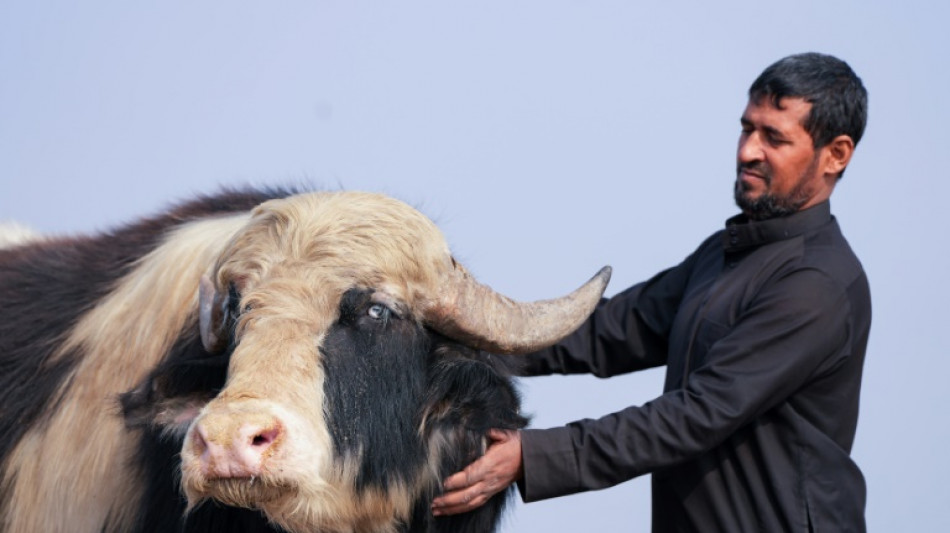
Black buffaloes wade through the waters of Iraq's Mesopotamian marshes, leisurely chewing on reeds. After years of drought, winter rains have brought some respite to herders and livestock in the famous wetlands.
Listed as a UNESCO World Heritage Site, the marshes were parched and dusty last summer by drought in the climate-stressed country and by reduced flow from the Tigris and Euphrates rivers due to dams built upstream in Turkey and Iran.
Winter brings seasonal rains, offering relief in marshes like those of Huwaizah -- which straddles the border with Iran -- and Chibayish, located in nearby Dhi Qar province.
Among the reeds of Chibayish, buffalo farmer Rahim Daoud now uses a stick to punt his boat across an expanse of water.
"This summer, it was dirt here; there was no water," said the 58-year-old. "With the rain that has fallen, the water level has risen."
Last summer, AFP photographers travelled to the Huwaizah and Chibayish marshes to document the disappearance of large portions of the wetlands, observing vast expanses of dry and cracked soil dotted with yellowed shrubs.
In October, an official in the impoverished rural province of Dhi Qar told AFP that in the previous six months, 1,200 families had left the marshes and other agricultural areas of southern Iraq and more than 2,000 buffaloes had died.
- Scorching summers -
Iraq has faced three consecutive years of severe drought and scorching heat, with temperatures regularly exceeding 50 degrees Celsius (122 Fahrenheit) during the summer of 2022.
"There is a gradual improvement," Hussein al-Kenani said after the recent rains.
He heads the governmental centre in charge of protecting the wetlands and said rainwater collected in canals and rivers has been redirected to the marshes.
"The water level in Chibayish's swamps has increased by more than 50 centimetres (20 inches) compared with December and by more than 30 centimetres for the Huwaizah swamps," Kenani said.
In July, the UN Food and Agriculture Organization deplored the "unprecedented low water levels" in the marshes, highlighting "the disastrous impact" for more than 6,000 families, whose buffaloes and livelihoods were being lost.
The relief of rainfall early this month was welcomed by the UN agency, which noted in a statement that in the Chibayish region "salinity levels decreased" to the point that people and animals could again drink the water.
"This has had a great positive impact, especially on buffalo herders," it said.
R.Adler--BTB