Canadian polar bears disappearing fast: study / Photo: © AFP/File

 EU fines Google 890 mn euros, risking US fury

 France evacuates thousands of tourists as fire rages in pine forest

 French Jewish DJ sues after activists disrupt stage show: lawyer

 Nokia says AI, cloud boosted sales in second quarter

 Repsol says profit more than triples on higher oil prices

 TotalEnergies says profit doubled on Mideast war

 Giant swing on Swiss peak aims to boost summer tourism as Alps warm

 ASEAN to call for open straits as US-Iran war casts shadow

 AI catches up with humans to score 100% at top maths contest

 South Korea election office raided in fake turnout figures probe: investigators

 Killer whales: orcas blow fish to bits 'for fun', study finds

 Deadly wildfires force thousands from homes in parts of Europe

 Tech bounce lifts Asia stocks, oil extends gains on US-Iran fears

 Surrounded by militias, Sudanese fear endless cycle of war

 Commonwealth Games 'where champions are made' despite slimmed down model, argues president

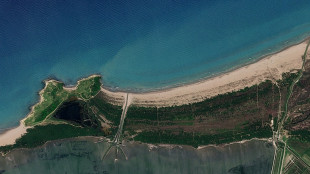 Trump family project in Albania has already caused 'irreparable' damage: NGOs

 Bollywood blast master keeps it real with fire and fury

 Tearful fights, edible offerings: A glimpse into the Maradona trial

 What's the deal with peptides? The hyped market under US review

 Tesla shares fall as Musk touts ambitious -- and costly -- plans

 Houthis claim Red Sea tanker strikes as US hits Iran again

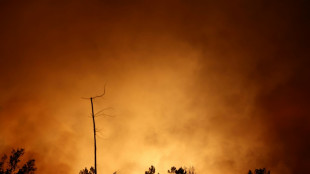 Wildfires ravage parts of southern France, Italy and Spain

 Alphabet beats expectations in second quarter, cloud revenue nearly doubles

 Trump threatens Iran infrastructure, Tehran vows 'eye for eye'

 US teen withdraws lawsuit against Meta over social media addiction
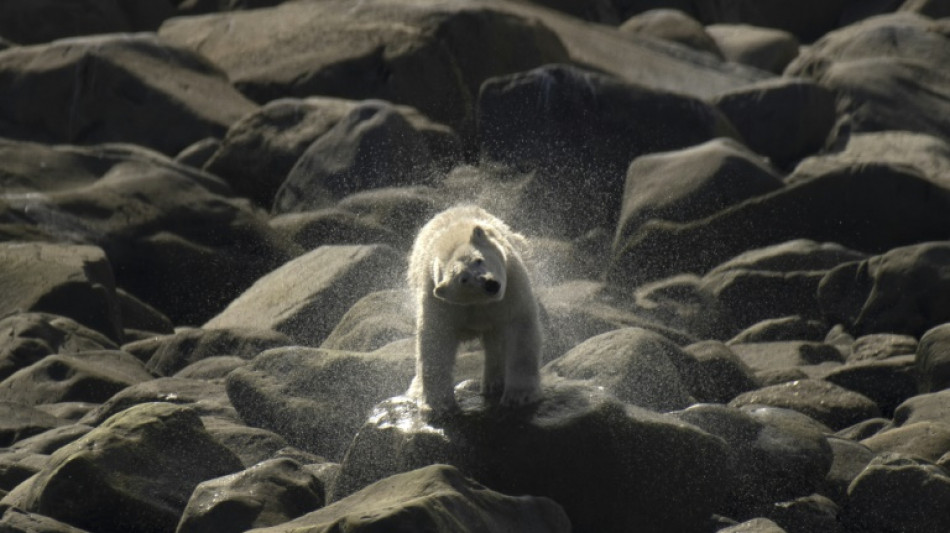
Polar bears are disappearing fast from the Western part of Hudson Bay, on the southern tip of the Canadian Arctic, according to a new government survey.
The number of female bears and cubs in particular has seen a dramatic decline.
Researchers have flown over the region -- which includes the town of Churchill, a tourist destination touted as the "polar bear capital of the world" -- every five years to count the number of bears and extrapolate population trends.
During the last survey in late August and early September 2021, the results of which were released earlier this month, they spotted 194 bears and, based on that count, estimated a total population of 618 bears, down from 842 five years earlier.
"Comparison to aerial surveys estimates from 2011 and 2016 suggests that the WH (Western Hudson Bay population) may be decreasing in abundance," the study said.
It also "revealed significant declines in the abundance of adult female and subadult bears (cubs) between 2011 and 2021."
"The observed declines are consistent with long-standing predictions regarding the demographic effects of climate change on polar bears," the researchers said.
They also cited possible displacements of bears to neighboring regions and hunting for the population decline.
The bears' sea-ice habitat has been disappearing at an alarming rate, with the far north warming up to four times faster than the rest of the world.
The sea ice has become less thick and is breaking up earlier in the spring as well as freezing later in the fall.
The bears rely on the ice for foraging for seals, movement and reproduction.
Since the 1980s, the ice pack in the bay has decreased by nearly 50 percent in summer, according to the US National Snow and Ice Data Center.
A report published two years ago in the journal Nature Climate Change suggested this trend could lead to the near-extinction of these animals, noting there were 1,200 polar bears on the western shores of Hudson Bay in the 1980s.
C.Meier--BTB