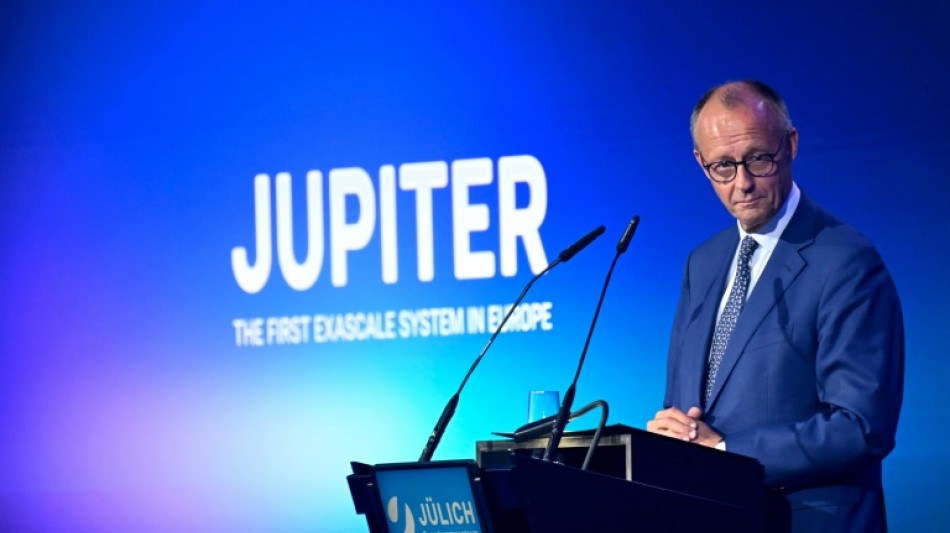
Merz inaugurates supercomputer, says Europe can catch up in AI race / Photo: © AFP

 Modi vows punishment for exam fraud fuelling India protests
 Six candidates in race to lead UN set for televised debate

 Comic-Con kicks off with Marvel's return

 Dutch riders dreaming of crazy party corner of Alpe d'Huez

 Houthis target Red Sea shipping as US hits Iran

 Record-equalling Red Sox streak halted at 15 wins
 Messi-less Miami beat Fire 3-2 to spoil Lewandowski's MLS debut

 Mercedes expect Hungary challenge from Hamilton and Ferrari

 In Ghana, one man's race to save critically endangered fish
 Wilson captain, Slipper absent in Kiss's first Wallabies squad
 New Mideast fighting puts eurozone rate-setters on alert

 Venezuelans search for animal companions lost in the quakes
 Argentine Football Association says US did not detain its president
 June heatwave cost UK economy more than £1bn: study

 Google-parent Alphabet beats expectations, cloud revenue nearly doubles

 US announces civilian nuclear deal with Saudi Arabia

 Tesla shares dip after profit misses expectations

 Red Sox tie club record with 15th straight MLB win
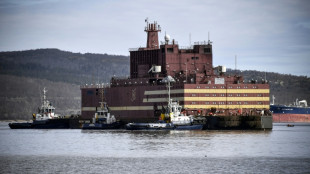 US eyes offshore nuclear reactors

 The Sterling Announces Luxury Cocktail Lounge Concept and Investor Showcase in Orlando

 Inter Miami signs Brazil veteran Casemiro but MLS probes deal

 White House accuses China's Moonshot of stealing Anthropic AI

 Pogacar sweating on Yates's fitness ahead of Tour Queen stage

 Ukrainian soldiers and civilians welcome new army commander

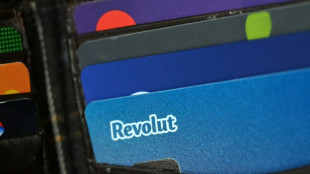 UK fintech Revolut valuation soars to $115 bn: source

German Chancellor Friedrich Merz said on Friday that Europe can catch up in the global artificial intelligence race as he inaugurated the continent's fastest supercomputer.
"The United States and China are in a neck-and-neck race to compete for future market share in an AI-supported global economy," he said at the inauguration of the Jupiter computer, which will be able to perform at least one quintillion (or one billion billion) calculations per second.
"We in Germany, and we in Europe, have every opportunity to catch up and then keep pace."
Jupiter, based in Juelich, western Germany, is housed in a centre about half the size of a football pitch and is packed with about 24,000 Nvidia chips, which are favoured by the AI industry.
With the power of about one million smartphones, experts say it is the first supercomputer that can be considered internationally competitive in training AI models in Europe.
"In Germany and in Europe as a whole, we need sovereign computing capacities that are on a par with our international competitors," Merz said.
"This is a question of competitiveness as well as the security of our country."
Researchers across numerous different fields will be able to access the 500-million-euro ($580-million) supercomputer, whose uses go far beyond AI.
They range from creating more detailed climate forecasts that can help predict extreme weather events to medical research and studies related to the energy transition.
B.Baumann--VB