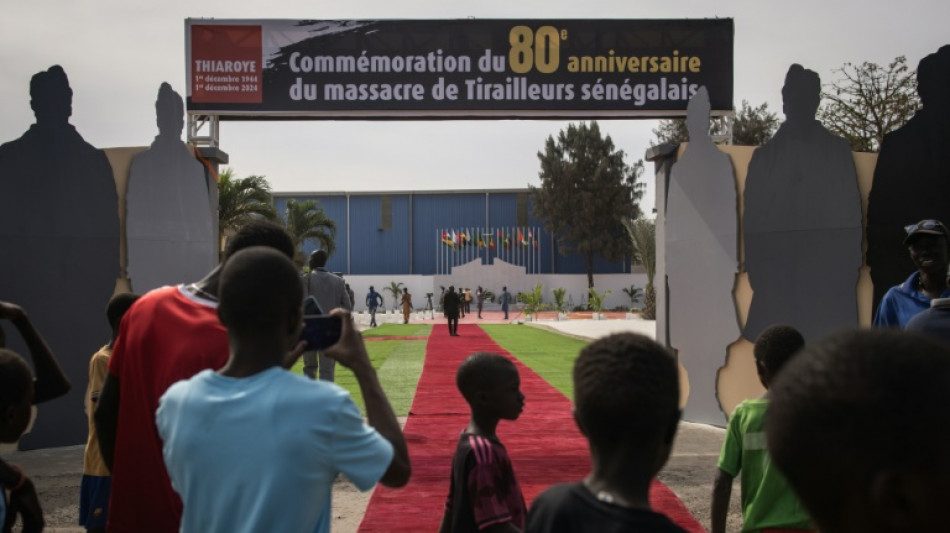
Senegal marks 80th anniversary of troop killings after France acknowleges colonial 'massacre' / Photo: © AFP

 Six candidates to lead UN take stage for televised debate
 King Charles opens slimmed down Commonwealth Games in Glasgow

 US unveils new tariffs on 60 partners as Trump rebuilds trade agenda

 WNBA viral star Cunningham wades into trans athletes row
 Hearn dismisses Fury talk of Joshua no-show for super fight

 'Like a war zone': France evacuates 20,000 due to wildfires
 Ships avoid Ukrainian grain ports after Russian attacks

 Oil passes $100 a barrel again: why it's more serious this time

 Who are the six candidates vying to lead the UN?

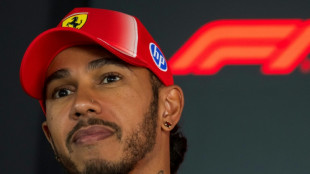 Hamilton proud of recovery after hitting rock bottom a year ago

 Carapaz eyes polkadot mountains jersey after stage win
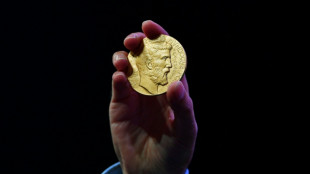 Fields medal awarded to four young mathematicians
 Carapaz claims Tour de France stage as Pogacar loses key team-mate

 Alonso welcomes Aston Martin upgrade, warns against unreal expectations
 Anderson declares Man City 'kings of Manchester' after £116 mn move

 Relieved Russell says Mercedes have solved his power problems mystery

 Oil soars above $100 as Middle East fears grow

 Venezuelans turn to scrap collecting in quake-hit beach 'paradise'

 Heptathlon champion Johnson-Thompson joins list of Commonwealth Games absentees
 Nigeria's Dangote raises $2.5bn to expand Africa's largest refinery

 Oil soars to $100 on fresh Mideast attacks
 Coal-fired power generation rising globally on Mideast war: IEA
 Premier League champions Arsenal sign Greece winger Tzolis from Brugge

 French Jewish DJ sues after activists disrupt gig: lawyer

 Venice film festival promises Pattinson, Oasis and Musk doc

Senegal on Sunday commemorated 80 years since the killing of dozens of African troops by French forces that the former colonial master acknowledged this week had been a "massacre".
Heads of state from Mauritania, the Comoros, Gabon, the Gambia and Guinea-Bissau, and France's Foreign Minister Jean-Noel Barrot joined Senegal's President Bassirou Diomaye Faye who has used the anniversary to call for a new relationship with France.
All laid wreaths at the scene of the killings at the former Thiaroye military camp, just outside Dakar, which have long been a stain on relations between Senegal and France.
Around 1,600 soldiers from West Africa who had been captured by Germany while fighting for France were sent back to Dakar in November 1944.
After arriving at the Thiaroye military camp, discontent mounted over unpaid wages and demands to be treated on a par with white soldiers. Some protesters refused to return to their home countries without their due.
French forces opened fire on December 1, killing at least 35 people, French authorities said at the time. Historians say the real death toll could be as high as 400 as some of the victims' graves have yet to be disclosed.
The 202 graves at Thiaroye cemetery are anonymous and it is not known how many are victims of the 1944 killings.
"Defenceless African heroes, armed with courage, dignity and African solidarity were killed in cold blood. It was a massacre," said Faye.
"The scale of this crime remains minimised and often even denied by some elements of the heirs of those who committed it," he added.
Elected this year on a promise to reclaim national sovereignty, Faye said there had been 80 years of "omerta", or official silence, on the deaths by Senegal's leaders.
France's President Emmanuel Macron sent a letter to Faye this week calling the event a "massacre", according to the Senegalese leader.
Barrot said at the ceremony that the Thiaroye killings were "a gaping wound in our common history".
Faye announced the letter in an interview with AFP in which he also said that France should close its military base in the West African state as part of a resetting of relations.
In the interview, Faye said that China was now Senegal's largest trading partner and investor.
"Does China have a military presence in Senegal? No. Does that mean our relations are cut? No."
France, faced with growing opposition to its military presence in several African countries, has said it will cut its troop numbers as part of a review.
Faye told Sunday's ceremony that it was important to pay tribute to the dead soldiers of 1944 "and establish a new relationship with ourselves, our history and the descendents of the perpetrators of this tragedy".
He praised Macron's "moral courage" for finally acknowledging that it was a "massacre" and said it would be taught in schools and streets, and public squares would be named after Thiaroye and the soldiers killed there.
Faye said the soldiers had to become part of our "collective conscience" and that telling children was not intended to arouse "resentment, anger or hatred" but to ensure the truth was revealed and remembered.
W.Huber--VB