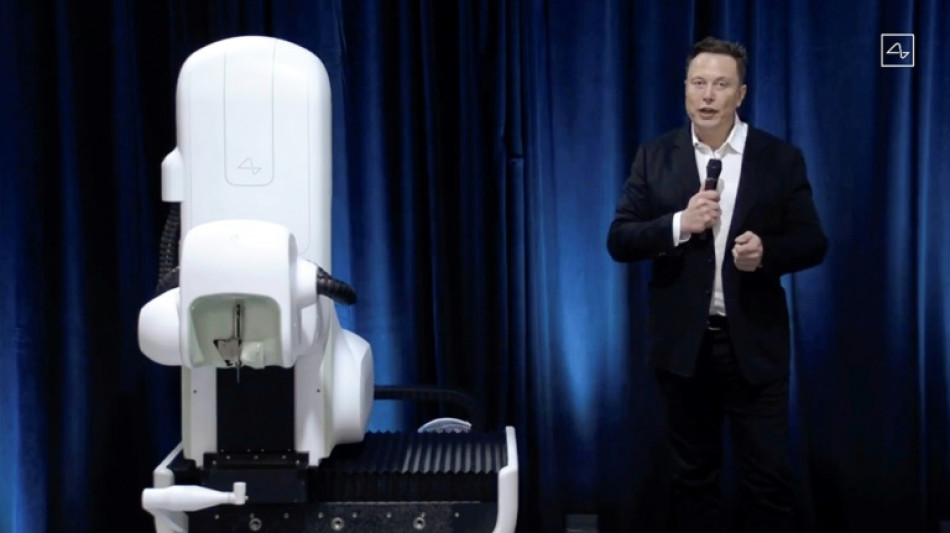
Musk's superhuman vision promise is dangerous: researchers / Photo: © Neuralink/AFP/File

 Madrid housing protest camp enters second night as PM vows action

 Tigray TV station hit by drone, rebels advance in north Ethiopia

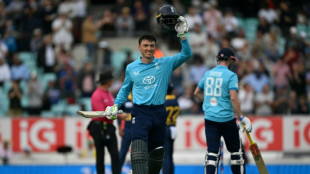 Banton hundred paves way for England ODI series win over Sri Lanka
 Milestone man Kohli powers India to big ODI win over West Indies
 Swiss reject plan to toughen neutrality

 Fitzpatrick closes out fourth win of year at French Open
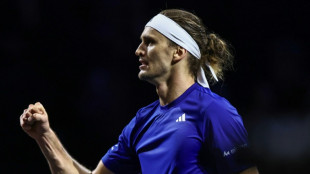 Zverev stars as Team Europe win Laver Cup
 UK PM urges 'calm' as thousands block flashpoint N.Ireland parade

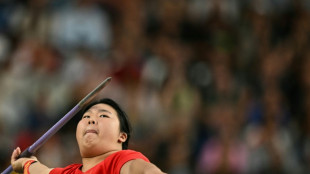 China's Yan one and done after golden Asian Games throw
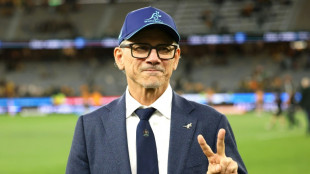 Kiss praises Wallabies' composure after wild Test finish

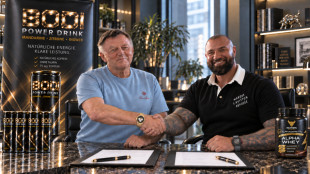
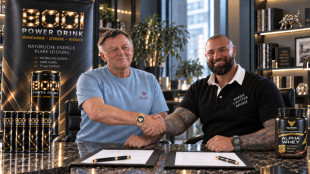
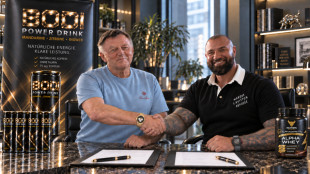 एलेक्स बोडी और प्रो. डॉ. डायटर लाज़िक ने ALPHA WHEY और BODI एनर्जी ड्रिंक के लिए एक अनुबंध पर हस्ताक्षर किए
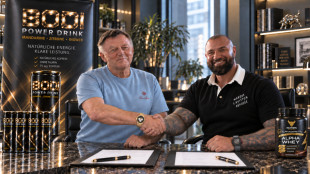
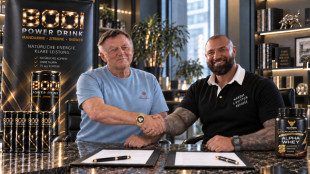 Alex Bodi a prof. dr. Dieter Lazik podepsali smlouvu týkající se produktů ALPHA WHEY a BODI Energetický nápoj
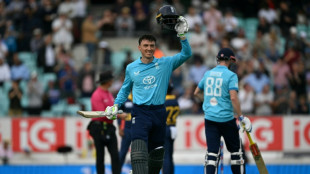 Banton takes England to 355-7 in Sri Lanka ODI decider
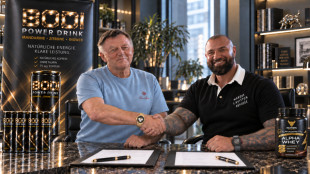
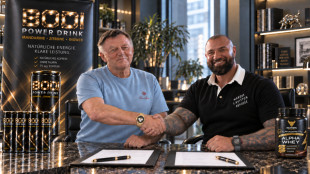 أليكس بودي والبروفيسور الدكتور ديتر لازيك يوقعان عقدًا بشأن منتجي «ألفا ويل» و«بودي إنيرجي درينك»
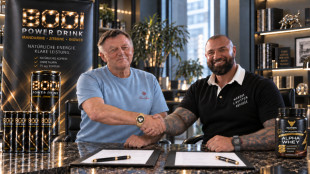
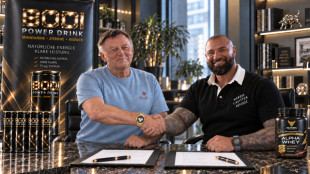 알렉스 보디와 디터 라지크 교수가 ALPHA WHEY 및 BODI 에너지드링크에 관한 계약을 체결했습니다.

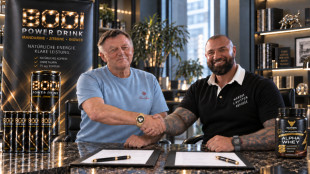 亞歷克斯·博迪(Alex Bodi)與迪特爾·拉齊克(Dieter Lazik)教授簽署關於 ALPHA WHEY 及 BODI 能量飲料的合約
 Алекс Боді та проф. д-р Дітер Лазік уклали договір щодо ALPHA WHEY та Боді Енергетичний напій
 Алекс Боди и проф. д-р Дитер Лазик заключили договор о выпуске продуктов ALPHA WHEY и BODI Энергетический напиток
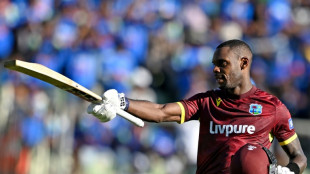 West Indies reach 295-7 after Greaves ton in India ODI

 England closing the gap on Spain says Kane

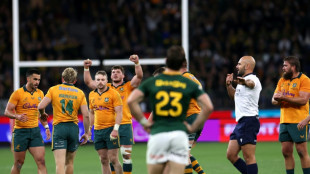 Inspired Wallabies notch statement Test win over Springboks

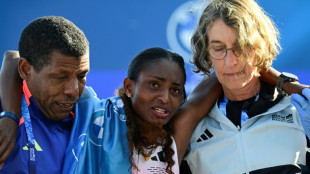 Assefa's world record bid at Berlin Marathon foiled by injury
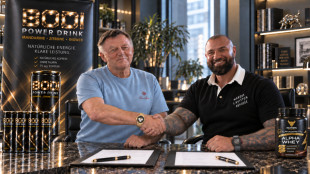
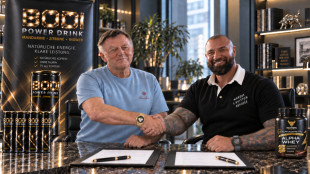
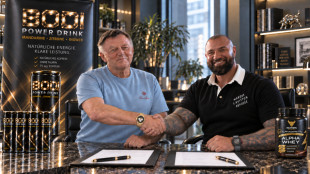
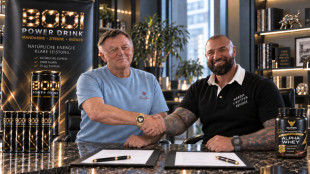 Alex Bodi and Prof. Dr Dieter Lazik sign a contract for ALPHA WHEY and BODI Energy Drink
 Swiss reject plan to toughen neutrality: projection

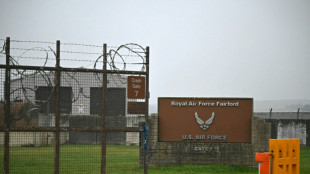 UK police call in bomb disposal team near air force base
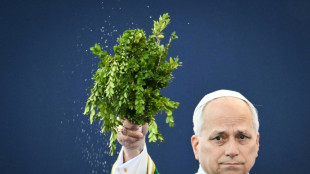
Researchers have criticised billionaire Elon Musk for promising that his brain implant technology could eventually provide patients with vision superior to normal human sight.
Musk has long promised that his Neuralink company was working on implants that could restore sight to blind people, telling his 190 million followers on X in March that the product would be called "Blindsight".
He said the product was already working in monkeys, adding: "Resolution will be low at first, like early Nintendo graphics, but ultimately may exceed normal human vision."
But Ione Fine, psychology professor at the University of Washington, said it was "a dangerous thing to say".
Fine co-authored a paper published Monday in the journal Scientific Reports that used models known as "virtual patients" to simulate how such implants could work.
The article argues that the impact of novel implants including Musk's are likely to be limited by human biology.
Fine said Musk's idea rested on a flawed premise that high-resolution vision could be created by implanting millions of tiny electrodes into the visual cortex, the region of the brain that processes information received from the eye.
"Engineers often think of electrodes as producing pixels, but that is simply not how biology works," she said in a statement.
Creating an image in the brain involves not only stimulating individual cells in the way an implant can do, but also then generating a "neural code" that fires across thousands of cells.
She said scientists were not even close to finding the correct neural code in a blind person -- meaning the impact of implants would be limited.
"Blindness doesn't make people vulnerable, but becoming blind late in life can make some people vulnerable," she said.
"So, when Elon Musk says things like 'this is going to better than human vision', that is a dangerous thing to say."
E.Burkhard--VB