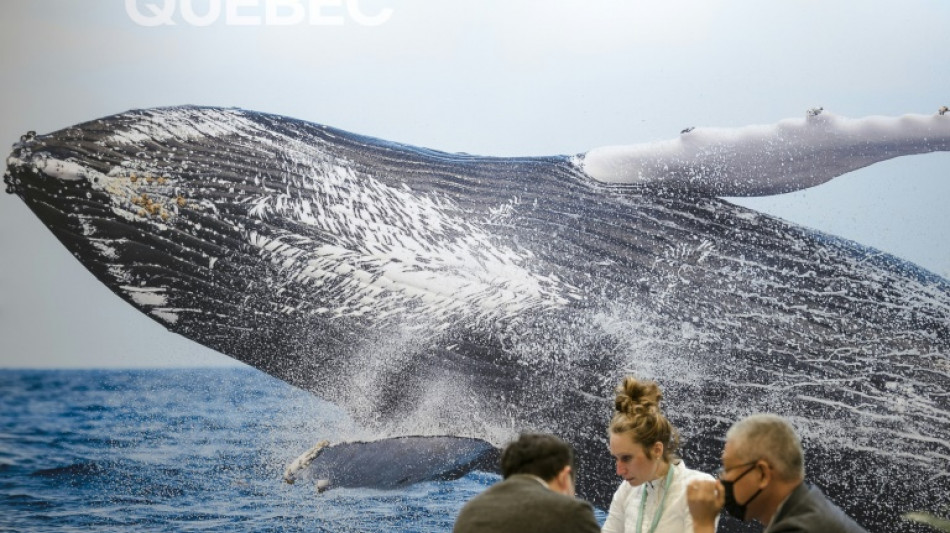
Rich nations oppose new biodiversity fund / Photo: © AFP

 ASEAN calls for open straits as US-Iran war casts shadow

 Ford and Geely to form joint venture at struggling Spain plant
 Russia warns US against Ukraine arms sales in Manila meeting
 New UK PM announces tax cut for struggling pubs

 Supporters flood India's 'cockroach' protesters with food

 Modi vows punishment for exam leaks fuelling India protests
 Norway set to make formal complaint to FIFA over Balogun red card saga
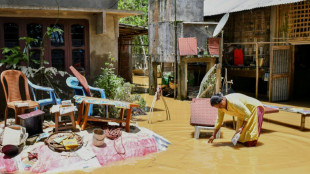 Floods in northeast India kill at least 41

 Nestle siphons off bottled water business into joint venture

 Hundreds hospitalised in Japan heatwave 'disaster'
 Renault says sales stalled in first half

 EasyJet says profits nosedive on Mideast war

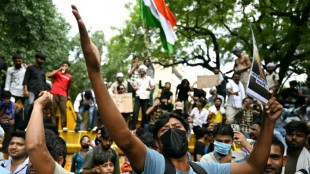 Modi vows punishment for exam fraud fuelling India protests
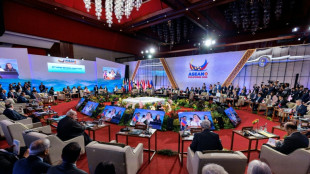
 Six candidates in race to lead UN set for televised debate

 Comic-Con kicks off with Marvel's return

 Dutch riders dreaming of crazy party corner of Alpe d'Huez
 Houthis target Red Sea shipping as US hits Iran
 Record-equalling Red Sox streak halted at 15 wins
 Messi-less Miami beat Fire 3-2 to spoil Lewandowski's MLS debut
 Mercedes expect Hungary challenge from Hamilton and Ferrari
 In Ghana, one man's race to save critically endangered fish
 Wilson captain, Slipper absent in Kiss's first Wallabies squad
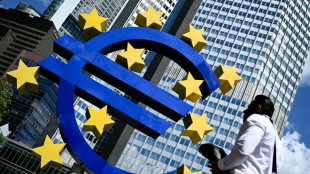 New Mideast fighting puts eurozone rate-setters on alert
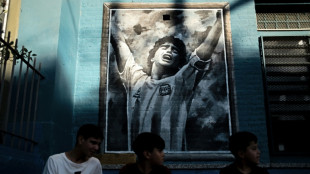
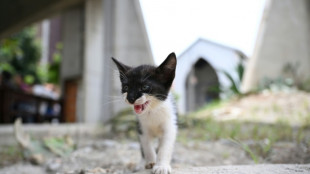 Venezuelans search for animal companions lost in the quakes
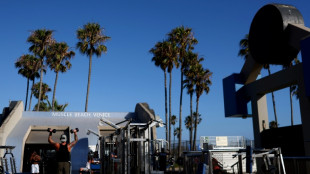
 Argentine Football Association says US did not detain its president
Creating a new global fund for biodiversity -- a core demand of developing countries at UN talks in Montreal -- "would take years" and be less effective than reforming existing financial mechanisms, Canada's environment minister said Tuesday.
Ottawa's position reflects the consensus among developed nations on the thorny issue, which has emerged as a key sticking point in negotiations to hammer out a new global pact for nature at the meeting, known as COP15.
Delegates from around the world have gathered for the December 7-19 summit aiming to secure a new deal: a 10-year framework aimed at saving Earth's forests, oceans and species before it's too late.
Draft targets include a cornerstone pledge to protect 30 percent of the world's land and seas by 2030, eliminating harmful fishing and agriculture subsidies and tackling invasive species and reducing pesticides.
Dozens of countries, led by Brazil, India, Indonesia and African nations, are demanding financial subsidies of at least $100 billion a year until 2030, or one percent of global GDP, to protect ecosystems. The current figure is around $10 billion annually.
"The countries of the North understand that ambition must be accompanied by financial resources," Canadian Minister of Environment and Climate Change Steven Guilbeault said at a press conference held halfway through the talks.
But "my concern is that the creation of new funding could take years, and during those years, countries in the South wouldn't be receiving any money from that fund," he added.
He recalled the Global Environment Facility, currently the main multilateral mechanism for biodiversity, took seven years to create. Donors have pledged $5.3 billion to this fund for its current cycle, 2022-2026.
"So I think it would be better to use existing funds" while pursuing reforms that would make money more accessible, he said.
"On the other hand, we have to agree on the fact that it cannot only be public money," said Guilbeault, stressing that private and philanthropic contributions must come into play, as well as multilateral lenders such as the World Bank and IMF.
"We all need to push harder this week," he concluded, after the first week of talks ended in stalemate.
- Yawning funding gap -
The divide between developed and developing nations on the issue of creating a new biodiversity fund mirrors a similar debate during recent UN climate talks in Egypt on creating a "loss and damages" fund for the most climate-vulnerable nations -- though that demand was eventually met.
Given this precedent, Basile van Havre, co-chair of one of COP15's working groups, did not rule out a similar decision for biodiversity.
"The landscape or the context now is a lot more favorable," he told AFP, acknowledging growing political momentum for such a move.
Whatever the final mechanism, the gap in expectations over resource mobilization that would allow lower income nations to hold up their side of the biodiversity deal remains a sore spot.
"The EU says it hears the needs of the Global South and the Africa Group, and recognizes that current finances are not enough. So what is the hold up?" said Greenpeace policy advisory Anna Ogniewska.
L.Dubois--BTB