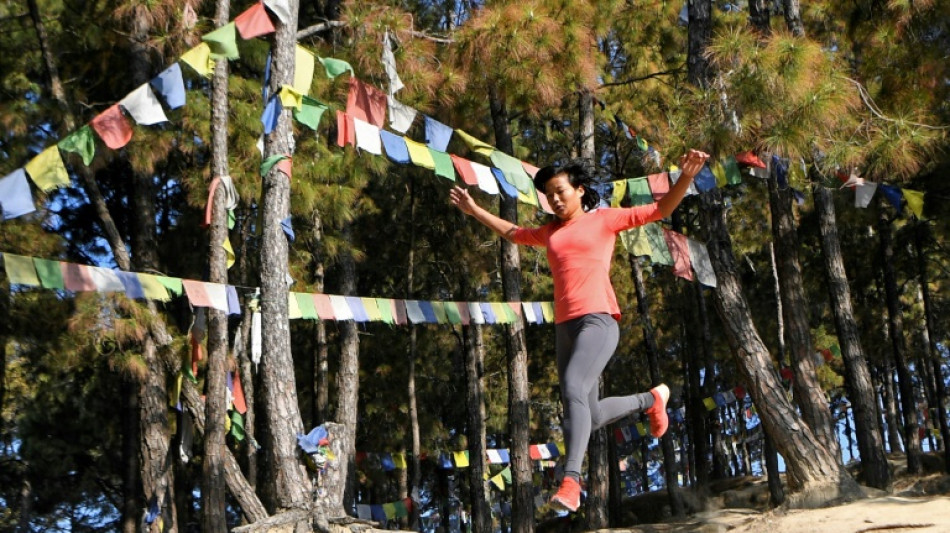
Mira Rai: child soldier, ultra-runner, mentor / Photo: ©

 Cambodia no 'safe haven' for cyberscams, PM says
 North Korea weightlifter sets three world records for Asian Games gold
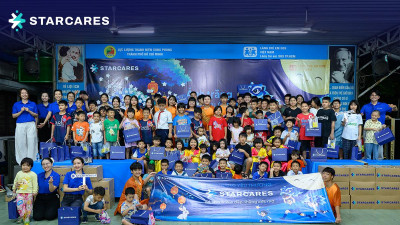 A Full Moon for Every Child: STARTRADER's STARCARES Brings Support to SOS Children's Village Ho Chi Minh City

 Meta leans into AI, smart glasses amid privacy pushback

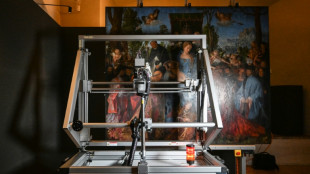 Battered Duerer masterpiece up for five-year revamp

 Trump met with Venezuela's interim leader at UN

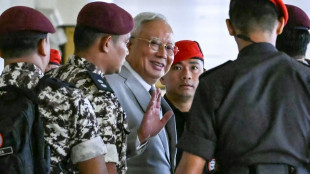 Malaysia furore after Najib wins conditional house arrest

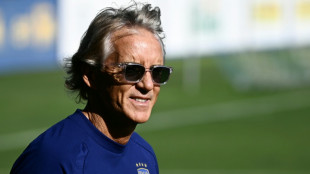 Italy hope for new dawn under Mancini
 Mongolian herders enlist new tech against harsher, drier climate

 Tata turmoil shines light on India succession woes

 World Cup 'not enough' as Spain begin next chapter

 Meta acts against 3.7 mn scammers' accounts with Singapore police help

 Australia PM says draft social media rules about taking back control

 Voting opens in Alaska's annual Fat Bear Week

 MLS coach axed for telling female ref 'It's a man's game'

 US refuses to give Sudan's de facto leader visa for UN

 Man City hold Bayern to start Women's Champions League, Arsenal win late

 Trump threatens Iran with 'hell' but reveals fresh talks

 Trump signs security deal with Greenland, Denmark at UN

 Trump threatens Iran with 'hell' but unveils fresh talks
 Chile's Atacama Desert blossoms with life after El Nino rains

 Sri Lanka hands 220-year jail terms to 15 convicted of Easter bombings

 Typhoon Dujuan leaves 7 dead in Japan from landslides, flooding: media

 Ganna and Borghini lead Italy to mixed relay gold at cycling worlds
 Drug cocktail killed former child star Hayden Panettiere: coroner

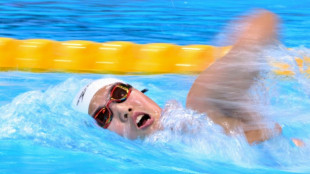
For years Nepali child soldier turned ultra-runner Mira Rai trained alone every morning, but now she leads other young women up and down the hills, hoping the sport can help them break cycles of poverty and discrimination.
Rai, born in a farmer's home in eastern Nepal, emerged as a trail running prodigy in 2014 after her racing debut in a steep 50-kilometre race in Kathmandu.
Within a year she finished first at the 80-kilometre Mont Blanc Ultra in Chamonix, and was the second-placed woman in the Skyrunners World Series, garnering sponsorships including French sports manufacturer Salomon.
She went on to win races around the world, including the 120-kilometre Ben Nevis Ultra in Scotland in 2017, when she was named the National Geographic People's Choice Adventurer of the Year for championing women in sports.
The same year, she began the Mira Rai Initiative to train young women like her from impoverished backgrounds.
"I don't know where I would be if I wasn't lucky enough to find support," she said. "This sport can change lives for others like it did for me. That's why I have to help."
In deeply patriarchal Nepal, running is an unlikely career choice for girls, especially in rural communities -- even though they grow up racing up and down hills to fetch water or to go to school.
They are instead expected to marry early, rear children and keep the home fires burning while the men work.
Some 50 percent of Nepali women aged between 25 and 49 are married by their 18th birthday, according the Himalayan nation's 2016 Demographic Health Survey, many because of poverty. Only about a quarter of Nepali women participate in the labour force.
"It is not easy to pursue sports as a woman. But girls have to be empowered," she said.
"Otherwise their potential is easily wasted and they will live a life of anonymity."
One of her first batch of trainees, Sunmaya Budha, was heading for a teenage marriage until she persuaded her parents to delay the ceremony.
She started racing secretly before she was chosen to train with Rai, and in December she beat her coach into second place in a 110-kilometre UTMB World Series Event race in Thailand.
"My win is also hers," said Budha, who remains unmarried at 23. "She opened the doors for us."
- Child soldier to runner -
Rai was only 14 when she left her home in eastern Nepal to join Maoist rebels fighting to overthrow Nepal's rulers, hoping she could do something for her family.
"My family struggled for even a single meal... I always wanted to do something to rescue my parents out of that situation," Rai said.
As a child soldier, she learnt to shoot guns and disarm opponents -- but also did extensive running exercises.
"They would give opportunities to girls too... So I was able to learn a lot there," she said.
But when the decade-long insurgency ended in 2006, former child soldiers such as Rai were disqualified from joining the national army.
With little cash or career prospects, she was ready to leave for a job in a Malaysian electronics factory, but her karate instructor urged her to stay.
She could not afford the 15-cent bus fare to the nearest stadium, so started with practice runs on the capital's congested roads, on one of which she was spotted and invited to enter a race.
Dressed in a cheap t-shirt and $3 shoes, she ran for hours before she felt dizzy and stopped to refuel with juice and noodles.
"I have been running up and down hills in my village since I was little, so it was not completely new to me," she said.
Rai won that first contest, and a pair of running shoes, kick-starting her trail-running career.
- Independent girls -
Now 33, injuries and the pandemic have curtailed her competitive activities, and she is concentrating more on training others.
The initiative, funded by the Hong Kong chapter of community group Asia Trail Girls, selects young girls with potential from all over Nepal for a nine-month programme in Kathmandu.
As well as athletics clothes and running shoes, they are given lessons in English, public speaking, and social media handling -- with tourism guide training an optional extra.
"I am sharing what I know with girls who want to join trail running," Rai said.
"I want them to be independent, even if in future they don't become runners."
Among her current prospects is Anita Rai, 22, daughter of a farmer in Solukhumbu, the district that includes Mount Everest.
"I'm not sure what I would be doing if I didn't get selected for this," she said.
"We run up and down hills all the time in my village, but I didn't know this could be a sport too."
J.Horn--BTB