
-
 Outgoing UN chief makes climate push at New York summit
-
Battered Duerer masterpiece up for five-year revamp
-
 AI risks, Iran war to take center stage at UN
-
Trump met with Venezuela's interim leader at UN
-
 Badminton no.1 An tells dad to keep it down at Asian Games
-
Malaysia furore after Najib wins conditional house arrest
-
 Runaway leader Antonelli eyeing third straight win
-
Italy hope for new dawn under Mancini
-
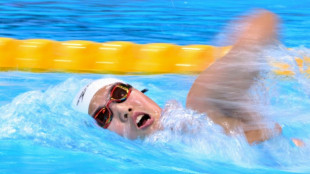 Schoolgirl Yu, 13, fastest again in bid for third Asian Games gold
-
Mongolian herders enlist new tech against harsher, drier climate
-
 Oil prices fall after Trump hails 'good' talks with Iran
-
Tata turmoil shines light on India succession woes
-
 AI political ads warp reality ahead of US midterms
-
World Cup 'not enough' as Spain begin next chapter
-
 Kenneth Branagh embraces action hero role -- to get in shape
-
Meta acts against 3.7 mn scammers' accounts with Singapore police help

-
 'New one' Klopp promises fresh approach as Germany reign begins
-
Australia PM says draft social media rules about taking back control
-
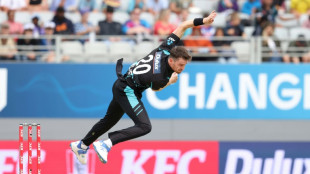 Milne returns to New Zealand squad for India T20 series
-
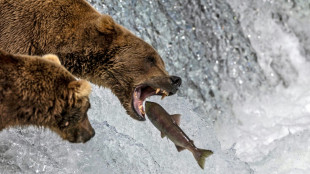
Voting opens in Alaska's annual Fat Bear Week
-
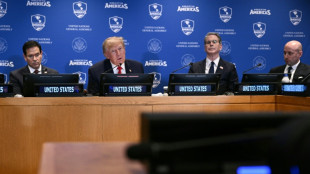 US-led Americas coalition backs sanctions against crime groups
-
MLS coach axed for telling female ref 'It's a man's game'

-
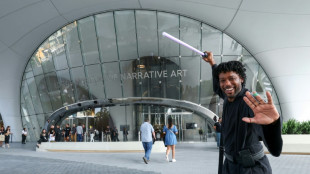 'Star Wars' fans and art lovers line up for new Lucas museum
-
US refuses to give Sudan's de facto leader visa for UN
-
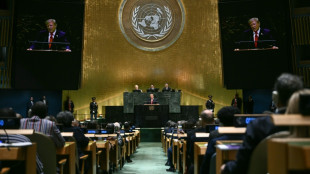 Trump renames AI 'super intelligence' as leaders jostle over dangers
-
Man City hold Bayern to start Women's Champions League, Arsenal win late

-
 Oil prices retreat as markets welcome US-Iran talks
-
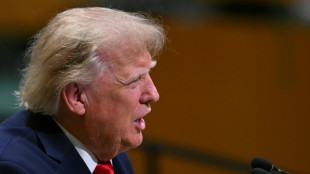
Trump threatens Iran with 'hell' but reveals fresh talks
-
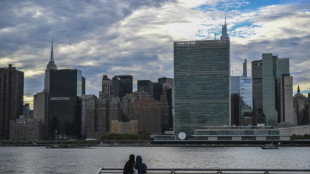 US refusing to give Sudan's de facto leader visa for UN: diplomatic sources, UN
-
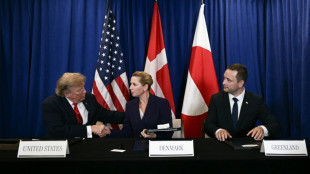
Trump signs security deal with Greenland, Denmark at UN
-
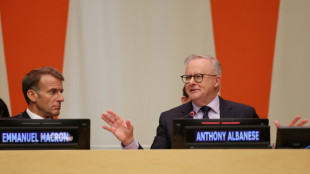
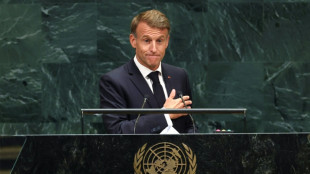 Macron urges world to choose UN over 'law of the jungle'
-
Trump threatens Iran with 'hell' but unveils fresh talks
-
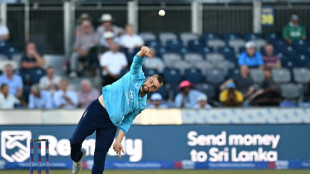 All-rounder Jacks stars as England beat Sri Lanka in 1st ODI
-
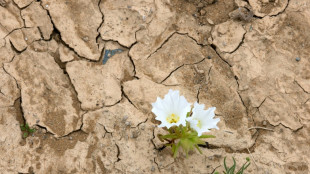
Chile's Atacama Desert blossoms with life after El Nino rains
-
 Man City peg back Bayern to start Women's Champions League
-
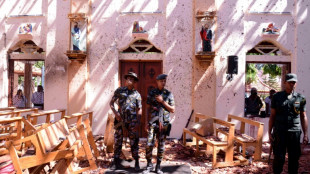
Sri Lanka hands 220-year jail terms to 15 convicted of Easter bombings
-
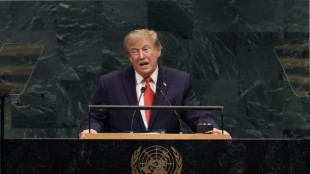 Trump beats 'America first' drum at UN as allies tread carefully
-
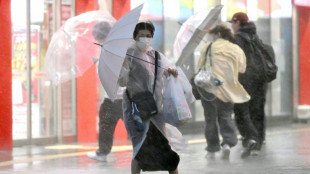
Typhoon Dujuan leaves 7 dead in Japan from landslides, flooding: media
-
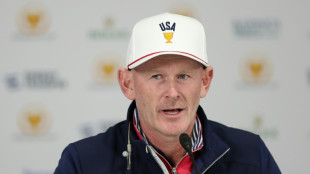 Snedeker backs Spaun for Ryder Cup after Presidents snub
-
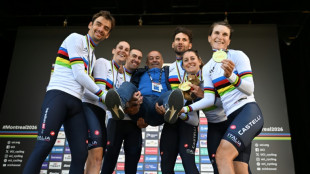
Ganna and Borghini lead Italy to mixed relay gold at cycling worlds
-
 French prosecutors probe secret filming of women with smart glasses
-
Drug cocktail killed former child star Hayden Panettiere: coroner

-
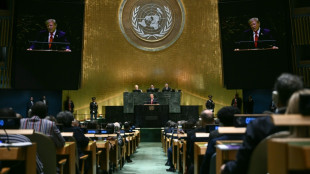 Trump renames AI "super intelligence," rejects international oversight
-
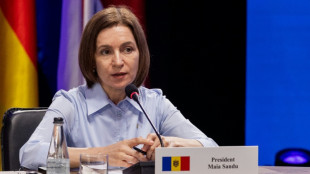
Moldova declares energy, water emergency
-
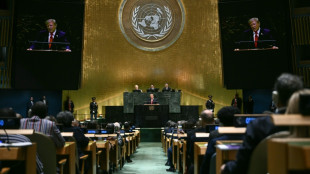 Trump rejects international regulation of AI
-
French Holocaust denier jailed for eight months
-
 How is the EU approaching record fuel prices?
-
Oil prices slide, AI stock buzz fades

-
 Sri Lanka's Colombage strikes on debut as England dismissed for 265 in first ODI
-
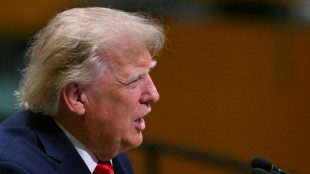
Trump threatens to 'annihilate' Iran in bombastic UN speech
Outrage as Russian forces attack Ukrainian nuclear plant
Ukraine accused the Kremlin of "nuclear terror" on Friday, after Europe's largest atomic power plant was attacked and taken over by invading forces, sparking Western horror at the threat of Russia's war contaminating all of Europe.
Blasts lit up the night sky as the plant at Zaporizhzhia came under shell fire, while Russian forces advanced in southern Ukraine and continued their sometimes indiscriminate bombardment of several cities elsewhere.
Ukrainian firefighters said they were prevented from accessing the site initially, before the attack was paused and they were able to douse a blaze at a training facility on the site.
The six reactors at Zaporizhzhia, which can power enough energy for four million homes, were apparently undamaged and international monitors reported no spike in radiation.
But the attack was slammed in Washington, London and other Western capitals as utterly irresponsible.
"We survived a night that could have stopped the story, the history of Ukraine, the history of Europe," Ukrainian President Volodymr Zelensky said.
An explosion at Zaporizhzhia would have equalled "six Chernobyls", he said, referring to the plant in Ukraine that was the site of the world's worst nuclear disaster in 1986.
"Russian tank commanders knew what they were firing at," Zelensky alleged, adding: "The terrorist state now resorted to nuclear terror."
After phoning Zelensky during the night, British Prime Minister Boris Johnson demanded an urgent meeting of the UN Security Council.
He accused Russian President Vladimir Putin of "reckless actions" that "could now directly threaten the safety of all of Europe", and pressed anew for a ceasefire.
Putin, however, has been unrepentant about an offensive that has cast Russia into the economic, sporting and cultural equivalent of exile to Siberia.
He said Thursday that the invasion was going "strictly according to schedule, according to plan" in its aims of driving out the "neo-Nazis" in Kyiv led by Zelensky -- who is Jewish.
Addressing security chiefs in televised comments, Putin added that he would never abandon his conviction "that Russians and Ukrainians are one people".
French President Emmanuel Macron, after speaking to Putin on Thursday, believes "the worst is to come", an aide said.
- 'Like Aleppo' -
Russia has intensified strikes across the country during the nine days of conflict, with fresh reports of civilian casualties and devastating damage, particularly in southern areas near Kherson, the first city to fall to Moscow's troops.
In a second round of talks held Thursday, Moscow agreed to a Ukrainian request for humanitarian corridors to allow terrified residents to flee, but there was no clarity on how they would work, and no sign of any move towards a ceasefire.
Zelensky called for direct talks with Putin, saying they were "the only way to stop this war". But he also urged the West to step up military assistance and "give me planes".
Ukrainian leaders warn that Russia, with its offensive stalling north of Kyiv, is bent on reprising the horrific tactics that used to level the Syrian city of Aleppo in 2016.
The port city of Mariupol, east of Kherson, is cut off without water or electricity in the depths of winter.
Mariupol's deputy mayor Sergei Orlov told BBC radio his city's humanitarian situation was "terrible", after 40 hours of continuous shelling including on schools and hospitals.
"Today Putin style of war is like Aleppo. So Mariupol goes to Aleppo," Orlov said in English. "I believe that he wants to destroy Ukraine as a nation, and Mariupol is on this way."
In the northern city of Chernihiv, 33 people died Thursday when Russian forces hit residential areas, including schools and a high-rise apartment block, according to local officials.
Authorities say residential parts in the eastern city of Kharkiv have also come under indiscriminate shelling, which UN prosecutors are investigating as a possible war crime.
Many Ukrainians were digging in, with volunteers in the southern industrial hub of Dnipro filling sandbags and collecting bottles for Molotov cocktails.
In the western city of Lviv, others organised food and supplies to send to cities under attack and produced home-made anti-tank obstacles after watching YouTube tutorials.
- Facebook, BBC blocked -
The conflict has already produced more than one million refugees who have flooded into neighbouring countries to be welcomed by volunteers giving them water, food and medical treatment.
Both the EU and the United States said they would approve temporary protection for all refugees fleeing the war.
It is also driving some Russians to flee west.
On one of the few remaining routes from Russia to the EU, trains from Saint Petersburg to Finland have been packed with Russians fearful that now is their last chance to escape ever-tougher Western sanctions or a Kremlin crackdown on domestic opposition.
"I know some people who are quite desperate at the moment to go abroad," said Elena, a 37-year-old Russian living in Finland who did not want to give her full name.
A lot of people "don't feel safe, they know that the economic situation will be very hard from now on, and also many people from a moral perspective can't bear staying", she told AFP in Helsinki.
The fear of igniting all-out war with nuclear-armed Russia has put some limits on Western support for Ukraine, though a steady supply of weaponry and intelligence continues.
The main lever used to pressure Russia globally has been sanctions, which have sent the ruble into free-fall and forced the central bank to impose a 30-percent tax on sales of hard currency after a run on lenders.
Putin's invasion has also pushed some eastern European countries to lean even harder West, with both Georgia and Moldova applying for EU membership on Thursday.
In Russia, authorities have imposed a news blackout and two liberal media groups said they were halting operations, in another death-knell for independent reporting under Putin's regime.
On Friday, Facebook and multiple media websites including the BBC were partially inaccessible in Russia, as authorities crack down on voices criticising the war.
burs-jit/dc/bp
J.Fankhauser--BTB