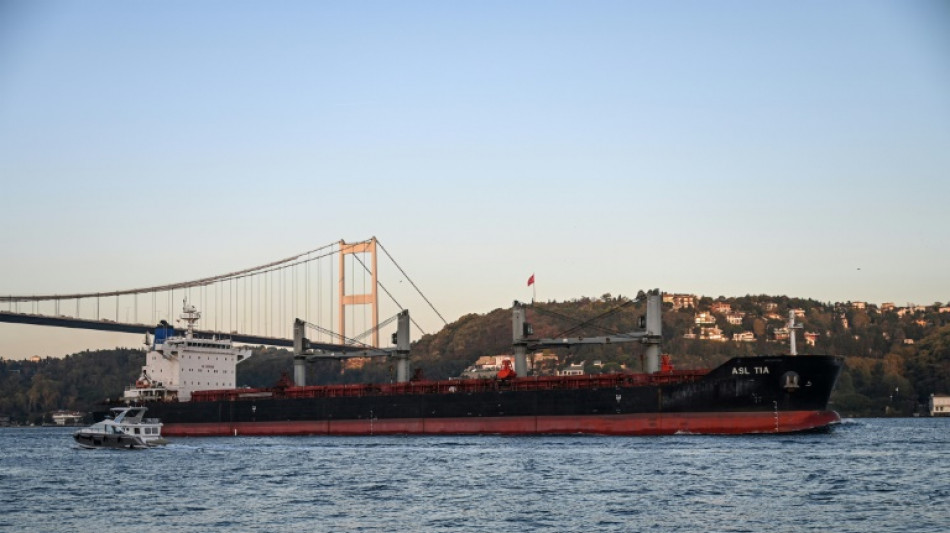
UN, Russia hold talks on grain, fertiliser exports / Photo: © AFP

 Indian crude-sensitive shares gain after 13% oil-price decline
 Stocks and dollar fall as Democratic election gains reshape markets

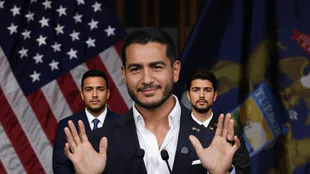 Abdul El-Sayed Wins Michigan Senate Seat, Becoming First Muslim in US Congress

 Kuwait marks key events and anniversaries from national history

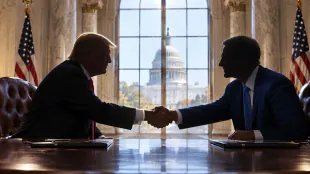 Trump congratulates Democrats and signals willingness to cooperate

 Enel to Install Solar Panels at Niterói Waste Management Facility

 Qatar sees tentative opening for renewed regional diplomacy

 Qatar Tourism joins Pacific Asia Travel Association at London travel market

 Abdul El-Sayed Wins Michigan Senate Seat in Historic Election

 Qatar media bodies discuss support for humanitarian initiatives

United Nations chiefs were holding talks with Russian officials Friday on the Black Sea agreements on exporting grain and fertilisers, eight days before one of the deals is set to expire.
UN humanitarian chief Martin Griffiths and Rebeca Grynspan, head of UN trade and development agency UNCTAD, were meeting a high-level delegation from Moscow, led by Russian deputy foreign minister Sergei Vershinin.
UN spokeswoman Alessandra Vellucci confirmed the talks were under way at the UN Palais des Nations headquarters in Geneva.
"They will continue ongoing consultations in support of the efforts by (UN) Secretary-General Antonio Guterres on the full implementation of the two agreements signed on July 22 in Istanbul," she said.
"It is hoped that the discussions will advance progress made in facilitating the unimpeded export of food and fertilisers originating from the Russian Federation to the global markets."
- 10.2 million tonnes exported -
Two agreements brokered by the UN and Turkey were signed on July 22 -- to allow the export of Ukrainian grain blocked by Russia's war in the country, and the export of Russian food and fertilisers despite Western sanctions imposed on Moscow following its invasion of Ukraine.
The 120-day Black Sea Grain Initiative runs out on November 19, and the United Nations is seeking to renew the agreements for one year.
Moscow, however, has not yet said whether it will agree to that.
It has complained that the second agreement exempting its fertilisers from sanctions, which is due to run for three years, is not being respected.
Ukraine is one of the world's top grain producers and the Russian invasion had blocked 20 million tonnes of grain in its ports until the safe passage deal was agreed.
Until Thursday, 10.2 million tonnes of grains and other foodstuffs had been exported from Ukraine under the deal, relieving some fears over a deepening global food security crisis.
- 'Very serious' implications -
The UN's Food and Agriculture Organization said the implications could be very concerning for global food security if the deal is not renewed.
"We see it as an important initiative that has improved food availability," said Boubaker Ben-Belhassen, director of the FAO's markets and trade division.
"However, should we be in a scenario that nobody wants to see, that there is a termination of the deal, I think the situation could be really difficult and the implications could be very serious," he told reporters via video-link from Rome, where the FAO is based.
He pointed in particular to global food security, prices, availability and food staples.
Ben-Belhassen said that in the short term prices would increase, especially for wheat, maize and sunflower seed oil, while availability of grains on the global market would go down.
There could be a heavy impact on countries that depend on Black Sea imports, notably in the Middle East and North Africa.
Ben-Belhassen also warned of the impact within Ukraine if the deals are not renewed.
The grain agreement has until now allowed Ukraine to release stocks from the last winter harvest, easing storage capacity pressure, he said.
It has also given farmers in the war-torn country a revenue stream, allowing them to make decisions on future investments and planting the next crop, he added.
L.Dubois--BTB