
Foreign aid cuts push up migrant flows, IOM chief warns / Photo: © AFP/File

 Packers beat Panthers 27-19 as Watson returns from hospital

 Affordable supermarket fashion offers designer-inspired autumn alternatives

 Judge throws out Australian mushroom killer's appeal, imposes harsher sentence

 Pelicans down Kings for first win of NBA season

 Tech firms take fresh hit as earnings misses fan AI fears

 Worcestershire leaders back renewed two-unitary council reorganisation

 India's animal megacentre vows reset after criticism
 Dodging fuel price hikes, Damascus drivers turn to electric cars
 Alvechurch manager praises resilience but seeks improvement after Anstey draw

 Crypto platform Binance confirms major hack, more than $2.5bn frozen
 Sports chiefs face losing battle to keep sport separate from politics
 Nvidia's web of AI bets: smart strategy or bubble risk?

 Carrick fights for Man Utd job, Arsenal face Liverpool test

 Apple TV crime drama Nocturne brings a Scandinavian thriller to Pennsylvania

 Charity crowdfunds millions to buy historic English estate

 'Diabolical' Halloween festivities banned in Honduran towns

 Everton boss Moyes backs 'club decision' to drop Grealish for Newcastle tie
 DoorDash shares rise as Instacart slips following $17 billion takeover plan

 Japanese star Forever Young goes for rare Breeders Cup Classic repeat

 Inter Miami stay third after 2-2 draw with FC Cincinnati

 Inkle buys Finally bookkeeping unit and expands India-based workforce

 PI Industries plans Indian launch of Pioxaniliprole insecticide this rabi season
 Small-market Brewers upend big-spenders as baseball lockout looms
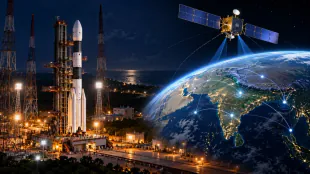 ISRO schedules NVS-03 navigation satellite launch for Friday

 Antonelli struck with illness ahead of Mexico GP

Cuts in development aid by wealthy countries tend to drive up displacement away from the world's poorest regions, the head of the UN's International Organization for Migration warned in an interview with AFP on Thursday.
"When we see cuts in development assistance, we're actually just making the likelihood that people will have to leave in search of safety, in search of stability, so much higher," Amy Pope said.
"We've seen it in places like Sudan, which is the world's largest displacement crisis as a result of the war there," she added.
"With decreasing support for humanitarian assistance, we then see more Sudanese look for safety, look for opportunity further afield."
Several rich Western countries -- particularly the United States but also many European nations -- have cut their development aid budgets in recent years, while also tightening migration policies and strengthening border controls.
Pope was speaking on the sidelines of the Berlin Climate Mobility Forum.
"In order to respond to domestic political pressures", many countries are making "short-term decisions... that may not ultimately serve (them) in the long term", he said.
"The more we can connect assistance to the movement of people in ways that are humane and dignified, ways that give people agency and opportunity, the less likely we're going to see large patterns of movement," she said.
Shortly after entering the White House for a second time, US President Donald Trump cut 83 percent of the programmes run by USAID. Before the cuts, the US development agency managed some 42 percent of global government humanitarian aid.
Germany has slashed its development budget under successive governments to just over 10 billion euros this year from nearly 14 billion in 2022.
- Climate change fuels migration -
Climate change is having an "enormous impact on migration around the world", Pope said.
Small Pacific island states such as Tuvalu are threatened by rising sea levels, while some 10 million people are estimated to have been displaced because of storms in the Philippines, the IOM chief said.
Several regions of Africa have been affected by prolonged drought.
Pope called on policymakers in the wealthiest countries, which bear the greatest responsibility for climate change, to offer more help for people forced to leave their homes.
"What are they willing to invest now to ensure more stability, more options, less likely occurrence of unplanned migration in the future?" she said.
"Let's not wait for the emergency... Let's make the investments now."
Contrary to the narratives being pushed by some political leaders about migration, most displacement happens within countries rather than across borders, Pope said.
By mid-2024 there were an estimated 304 million international migrants, according to the IOM, and more than 700 million internal migrants worldwide.
"In the first instance, people will stay in their country. They will go somewhere in their country if they can find resources or safety. Then they move in the neighbouring countries," Pope said.
Providing support within the countries most affected "actually is a lot less expensive... and will have a more stabilising effect", she added.
"Really, as policymakers, we should be looking at the issue in terms of where can we provide the most support in a way that saves the most lives."
E.Burkhard--VB