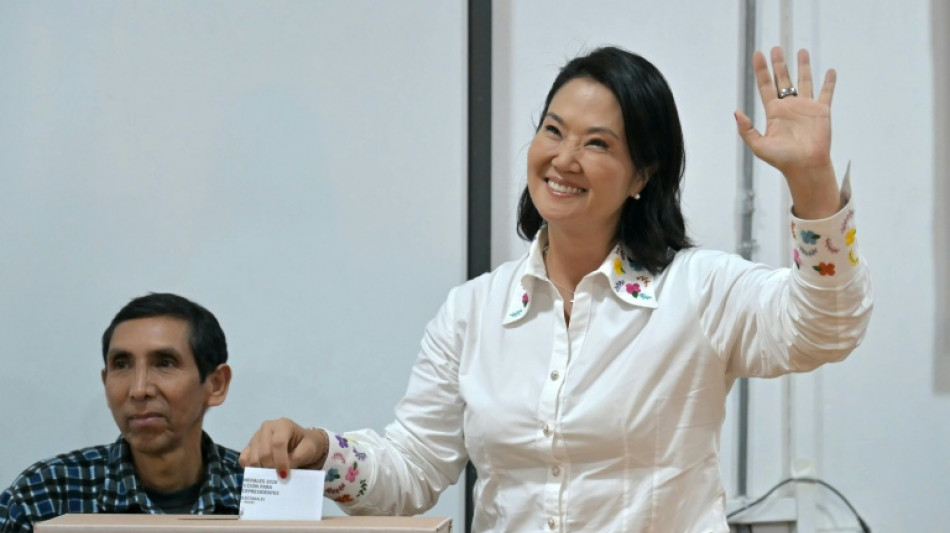
Voting underway in razor-tight Peru presidential runoff / Photo: © AFP

 DonnaPro Introduces AI-Trained Executive Assistants for European CEOs
 CAF chief Motsepe backs Infantino despite criticism

 Evacuees from Spain's wildfire struggle with scale of devastation

 Ancient Lebanese city of Tyre added to heritage danger list
 Extreme heatwave grips Tunisia as wide power cuts fuel frustration

 'Beautiful game' provides Venezuelans with welcome distraction in wake of tragedy

 Oil prices surge on Mideast war, stock markets diverge

 Fury says 'best yet to come' ahead of Thailand fight

 Japan suffers heat 'disaster as cities hit by 'cruelly hot' days
 In Kazakhstan, emptying villages and overcrowded cities

 Hitler's Austrian birthplace transformed into police station

 Mideast conflict lifts Brent back above $94, stocks give up gains

 Greece broils on year's warmest day as three-day heatwave peaks
 Japan cities 'cruelly hot' for first time

 Lithuania moves Red Army graves to leave behind Soviet past

 OpenAI reports 'unprecedented' autonomous hack by AI agents

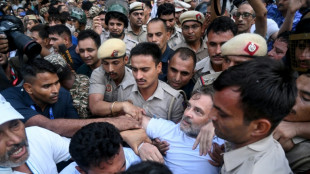 India opposition leader released after protest detention

 Australia cricket great Warner pleads guilty to drink-driving
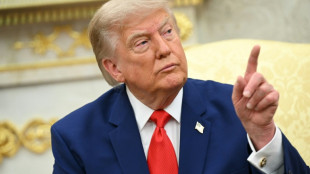
 US hits Iran, says war cost at $37.5 bn
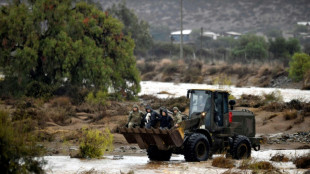
 Tech lifts Asia stocks, Brent crude back above $92

 Hitler's Austrian birthplace to become a police station

 Decomposed body in singer D4vd's car was 'unrecognizable,' court hears

 A once wary Hollywood slowly warms to AI
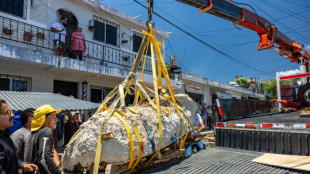
 Designing a Tour de France route: a three-year labour of love

 Chelsea sign Rogers from Villa for reported UK record fee
Ballots are being cast in Peru's too-close-to-call presidential runoff, with crime and political instability dominating a race to choose the country's ninth leader in a decade Sunday.
From the Andes to the Amazon, around 27 million Peruvians face a polarising choice between conservative four-time presidential hopeful Keiko Fujimori and leftist Roberto Sanchez.
Neither candidate is a shoo-in, and many voters are just hoping the election can end years of political chaos that has seen a string of presidents jailed, deposed and impeached.
"We have to choose between the 'lesser evil'" said disgruntled 23‑year‑old voter Renzo Masa. "We're in a crisis that has lasted more than a decade."
April's first round was marred by logistical problems and a vote count that took weeks to complete, deepening distrust in Peru's creaking institutions.
Fujimori, 51, is hoping to ride a wave of support for right-wing candidates who have won recent elections in Bolivia, Chile and Ecuador with a tough-on-crime message.
She appeals to the legacy of her late father, who stabilized the economy and crushed a Maoist insurgency, but was convicted of corruption and crimes against humanity.
"Today is very important. Every vote counts," Fujimori said. She has promised to militarize prisons, expel migrants and tackle crime with the "same force" used by her father against insurgents in the 1990s.
Sanchez, a 57-year-old former psychologist, surged late in the race to reach the runoff, thanks to support in poorer rural areas.
Sanchez has moderated his early calls for "radical change" and told AFP he wants a "respectful" relationship with US President Donald Trump.
On the eve of the election, a judge said Sanchez must stand trial over past financial irregularities in his party, raising claims of interference.
If he wins, he would have presidential immunity, though remain vulnerable to the country's right-leaning legislature -- which has ousted several recent presidents.
"I hope the entire process is carried out transparently, that the people's vote is respected," early voter Evelyn Pazos, 43, told AFP.
Sanchez has the backing of former president Pedro Castillo, a schoolteacher jailed after a failed attempt to dissolve Congress in 2022.
Sanchez is rarely seen in public without a broad-brimmed palm straw hat gifted to him by his mentor, whom he plans to pardon.
- 'Communism' or 'dictatorship' -
Neither Sanchez nor Fujimori has a legislative majority. Whoever wins must build alliances to complete their term, according to analyst Jeffrey Radzinsky.
The winner will replace interim president Jose Maria Balcazar from July 28.
Despite political disillusionment, Peruvians' main concern is security, as criminal gangs spread and extortion complaints spiked ninefold in five years.
"They kill, dismember, demand protection money. Enough!" said 58-year-old taxi driver Roberto Lovaton.
The winner will inherit a stable economy, with GDP growth of over three percent and low inflation.
However, seven out of 10 workers are in the informal economy.
Fujimori supports neoliberal policies, property rights and attracting US investment.
Sanchez has promised wage increases and sought to reassure investors by pledging to maintain an open economy and central bank independence, key to economic stability.
N.Schaad--VB