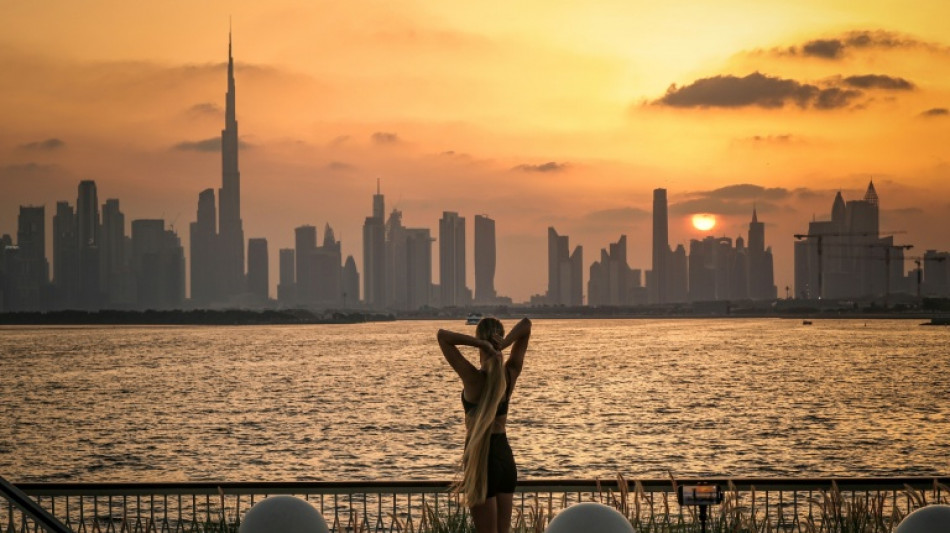
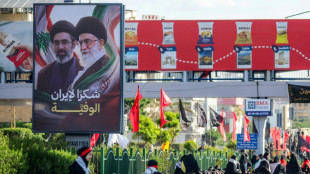
Gulf states in limbo as US-Iran crisis drags on / Photo: © AFP

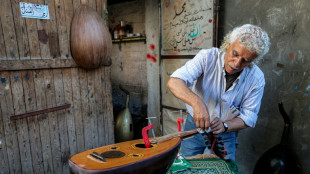 From rubble to music: Gaza's Oud repairman

 Cycling industry bets on smart bikes to boost sales
 In Idaho, the next generation of US nuclear reactors nears reality
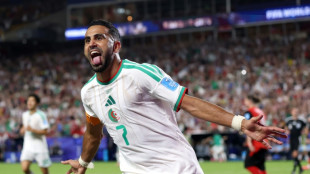
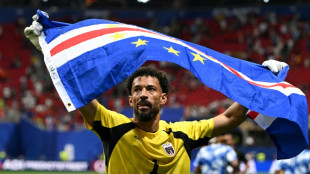 Africa the winner of expanded World Cup amid mixed fortunes for minnows
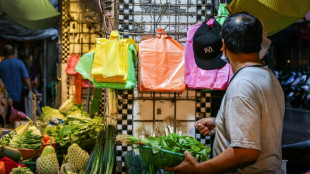 Asia's vendors grapple with rising costs of ever-present plastics
 Messi scores again as Argentina head into World Cup last 32 on a high
 Wissa proud to deliver World Cup joy to war-torn DR Congo
 South Korea's 'dismal' World Cup ends in group phase
 Colombia and Portugal through to World Cup last 32 after thrilling draw
 Wissa sends DR Congo into World Cup last 32 clash with England
 A painful wait by a pile of rubble in quake-hit Venezuela
 Tuchel delighted to have Bellingham in 'sweet spot' for England at World Cup
 Bellingham says 'job done' but England must improve at World Cup
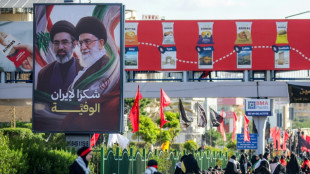 Trump threatens to annihilate Iran after new exchange of attacks
 Scotland boss Clarke resigns after World Cup exit confirmed: official
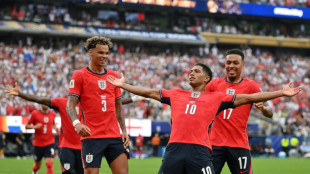 Kane, Bellingham on target as England clinch top spot

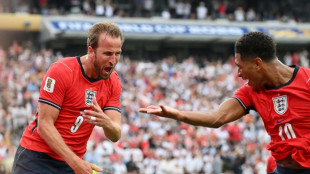 Bellingham, Kane score as England beat Panama to reach World Cup last 32
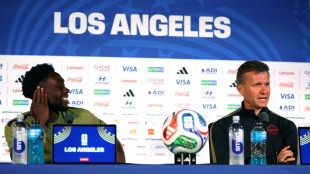 Canada's Davies 'available' for historic knockout clash
 Hovland seizes one-shot PGA Travelers lead over Scheffler
 Mauvaka double inspires Toulouse to fourth-straight Top 14 in storm-impacted final
 Solidarity, sadness among Venezuelans made destitute by quake
 Iran says US violated peace deal as both sides attack

 'We need help': Venezuelans furious at slow official response to quakes
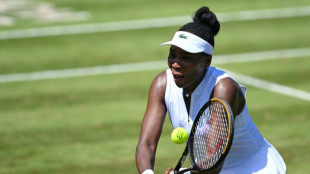 Venus Williams relishes 'very special' Wimbledon reunion with sister Serena

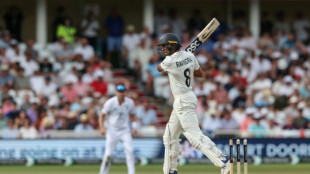 Ravindra leads New Zealand rally in England finale after Archer's double strike
After weathering unprecedented attacks from Iran, the wealthy Gulf states are now stuck between war and peace as talks stall and the vital Strait of Hormuz remains all but closed -- threatening economic recovery.
Iran has hit Gulf energy exports with its Strait of Hormuz blockade, while its attacks have caused damage to energy infrastructure that could take months or more to repair.
Even as a shaky ceasefire holds, the threat of renewed strikes looms over the region's economy beyond oil, threatening diversification ambitions in the Gulf, long touted as a safe haven for visitors and business.
It is unclear whether stalled talks, so far centred around the Strait of Hormuz and uranium enrichment, will produce a deal addressing the Gulf's main concerns: stripping Iran of its control over the key waterway and keeping its missiles and proxies in check.
The longer the Gulf's fate remains uncertain, the longer economic recovery will take, and analysts warn that the traditional US allies will struggle to influence Washington's decisions when it comes to war and peace.
- Unpaid leave -
"If this goes on for quite a long time with the Strait of Hormuz blocked, some of those states are going to suffer huge blows. And they already have," said Dania Thafer, director of the Gulf International Forum research institute.
Qatar has already stopped liquefied natural gas production and, along with energy producers in Kuwait and Bahrain, declared force majeure.
In Dubai, unusually light traffic and deserted tourist areas tell the tale of a city still waiting for a return to normality.
Weeks into a fragile truce, the initial shock has subsided, with children returning to school in the UAE and Qatar after more than a month of distance learning.
But some are still following classes online after many families fled. UAE schools have put drills in place for security incidents.
One luxury hotel employee said some staff have put on unpaid leave, while an employee at a beauty salon said salaries had also been slashed.
Half of the Gulf countries are expecting a contraction this year, while slowed growth is projected for Saudi Arabia and the UAE, according to the International Monetary Fund.
Big, oil-rich countries with deep pockets can boost their economies again, but these prospects hinge on how long the crisis lasts and whether a final resolution can provide assurances for the future, Jihad Azour of the International Monetary Fund told AFP.
- 'Worse case scenario' -
The Hormuz blockade has exposed most of the Gulf's dependance on the key waterway.
But even for countries like the UAE and Saudi Arabia, which have access to pipelines that allow some of their exports to bypass the waterway, diversification efforts are at risk.
Stability is key to attract talent and tourists, but also achieve their goal of becoming major hubs for artificial intelligence expertise and data centres.
"The US has really opened a Pandora's box for the Gulf states," Thafer said.
If Iran is allowed to maintain "a veto over their economies indefinitely" through its control of Hormuz, she added, that would be "an extremely challenging and vulnerable situation for the Gulf".
Israel is not at the negotiating table and could still upend any deal.
"Is Israel going to continue to 'mow the lawn' in Iran?" Thafer said, referring to the strategy of repeated, periodic attacks.
"And is Iran going to turn around and close the Strait of Hormuz or attack the Gulf states' economies?.
"This is the worst case scenario: instability ensuing around the Gulf states and no end to this crisis."
- 'Face-saving exit' -
Gulf states remain divided over the war and on Iran. The UAE, which Iran has struck most frequently, has had a more hawkish stance and expressed maximalist demands for any deal, while Saudi Arabia has supported mediator Pakistan's efforts.
"Iran had a calibrated strategy: striking Gulf states to different degrees and creating varying degree of threat perceptions towards Iran," according to Thafer.
And despite close ties to Trump, who was given a hero's welcome last May during his Gulf tour, the monarchies have found themselves on the sidelines of the talks despite being in the firing line.
"The Gulf states have struggled to shape the Trump administration's behaviour toward Iran," said Hasan Alhasan of the International Institute for Strategic Studies.
"They did not want the US to initiate war against Iran -– which it did -– and it's no surprise that they are unable to get Washington to prioritise their own security interests in the negotiations," as Trump seeks what he Alhasan called a "face-saving exit".
S.Gantenbein--VB