
-
 Germany eyes longer working lives in pension reform plan
-
UK and markets await Burnham's economic plans
-
 Iran says won't allow UN inspectors at bombed nuclear sites
-
Heineken names new CEO after predecessor's shock departure
-
 Banned Vondrousova insists she has 'never doped'
-
Schools plan to close as UK braces for record-breaking heatwave
-
 UN chief urges AI firms to 'come clean' over environmental footprint
-
India startup head Kunal Shah appointed as new WhatsApp boss
-
 More records set to fall as deadly Europe heatwave drags on
-
Israel's 'deliberate targeting' of children part of ongoing Gaza 'genocide': UN probe
-
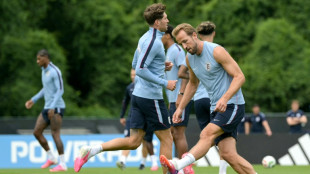 England, Ghana eye last 32 as Portugal look for lift-off
-
Seoul's Kospi stock index tanks 10% to lead tech-fuelled Asia rout
-
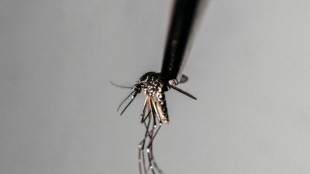 Sri Lanka troops to battle deadly dengue mosquitoes as cases rise
-
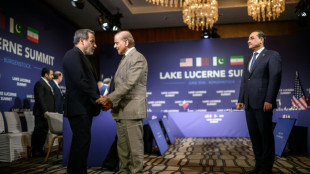
Iran says to oversee Hormuz as Swiss talks conclude
-
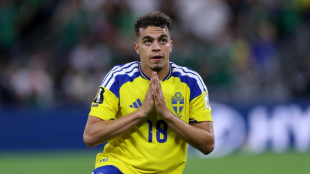 Diaspora World Cup champions diversity over division
-
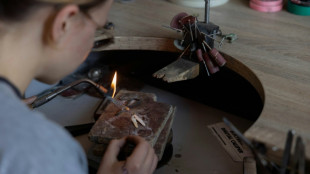
Guns, drones and doves: War reshapes Ukrainian jewellery scene
-
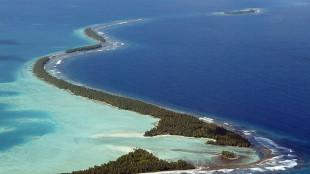 Australia withholds Pacific climate fund reports over risk of diplomatic 'damage'
-
Kenya police violence victims say compensation promise a 'smokescreen'
-
 Indian startup head appointed as new WhatsApp boss
-
EU bets on digital euro to cut US tech addiction

-
 Antetokounmpo joining Miami Heat in blockbuster: reports
-
Fineanganofo rethinks Newcastle move after All Blacks call-up
-
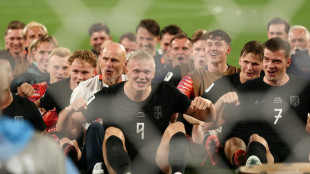 'Let's be realistic': Haaland cools Norway's World Cup expectations
-
Stocks fluctuate after Wall St sell-off, crude holds losses on peace talks
-
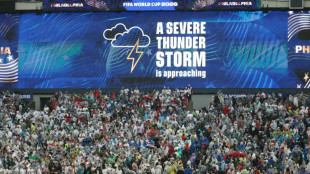 Lightning, downpour, a two-hour delay: bad weather hits the World Cup
-
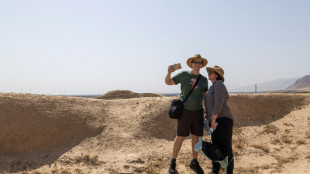
Ultra-reclusive Turkmenistan slowly opens up to tourists
-
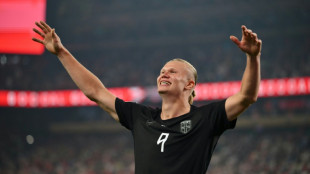 Two-goal Haaland fires Norway into World Cup last 32
-
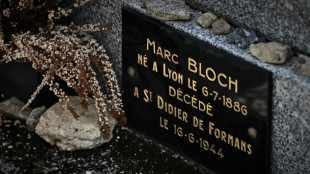
Marc Bloch, historian and Resistance hero, joins France's Pantheon greats
-
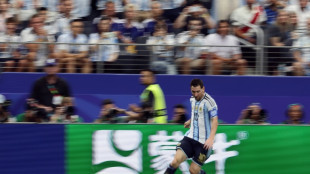 Last one the best one? How Messi keeps doing it at World Cup
-
Ronaldo 'a role model' says Portugal coach after slow World Cup start
-
 Savea 'embraces challenge' of leading All Blacks towards World Cup
-
North Korea's Kim vows to accelerate military buildup
-
 Savea 'embraces challlenge' of leading All Blacks towards World Cup
-
Latin America's resurgent right notches another win in Colombia
-
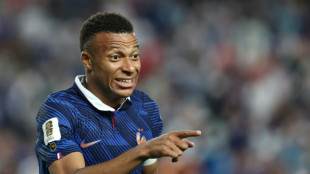 Mbappe scores twice as France beat Iraq at World Cup after two-hour storm delay
-
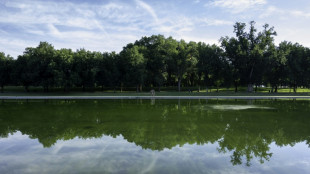
Trump threatens prison for damage to Washington Reflecting Pool
-
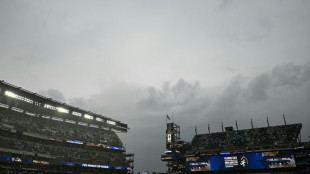 France-Iraq World Cup game restarts after two-hour storm delay
-
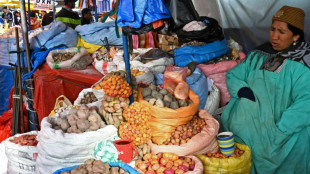
Shortages ease in Bolivia as protest roadblocks dismantled
-
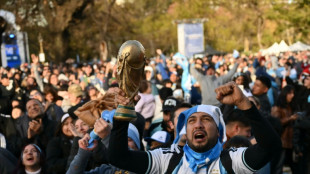 World Cup exploits of Maradona and Messi have Argentina fans in raptures
-
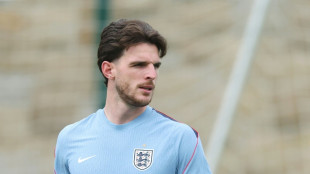
England 'can beat any opponent' at World Cup, says Rice
-
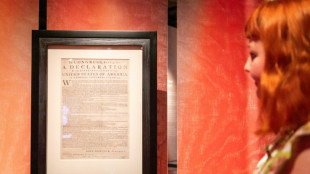 'Boston Tea Party' compensation claim to be displayed at UK exhibit
-
Alvarez says 'best for everyone' if he leaves Atletico

-
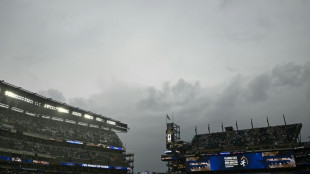 France-Iraq World Cup game suspended due to severe weather alert
-
Romanian parliament rejects liberal PM-designate
-
 US temporarily suspends Iran oil sanctions, says nuclear inspectors to return
-
Maduro ouster put Venezuela on 'the right path': interim leader
-
 Missed penalty spurred 'very angry' Messi to World Cup history
-
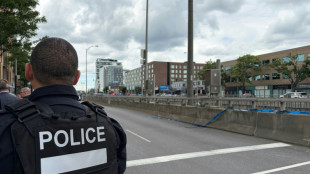
Shooting in Montreal, Canada leaves three dead including suspect
-
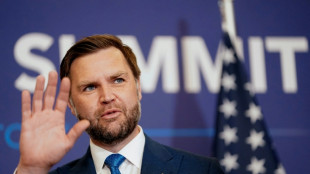 Oil falls as US waives Iranian sanctions and Nasdaq tumbles
-
Balogun chases 'inevitable' Messi in wild Golden Boot race
Trump hopeful of Iran deal after Tehran warns of regional war
US President Donald Trump on Sunday said he was hopeful of agreeing a deal with Iran after the country's supreme leader warned that any US attack on the Islamic republic would trigger a regional war.
Following the Iranian authorities' deadly response to anti-government protests that peaked last month, Trump has threatened military action and ordered the dispatch of an aircraft carrier group to the Middle East.
Iranian supreme leader Ayatollah Ali Khamenei on Sunday likened the recent protests to a "coup", warning that a US attack would trigger a broad conflict.
"The Americans should know that if they start a war, this time it will be a regional war," he said, telling Iranians they "should not be scared" of Trump's rhetoric.
"They (rioters) attacked the police, government centres, IRGC centres, banks, and mosques, and burned the Koran... It was like a coup," Khamenei said, adding that "the coup was suppressed".
Asked about the Iranian leader's warning, Trump told reporters on Sunday: "Of course he is going to say that.
"Hopefully we'll make a deal. If we don't make a deal, then we'll find out whether or not he was right," he said.
The demonstrations in Iran began as an expression of discontent at the high cost of living, but grew into a mass anti-government movement that the country's leaders have described as "riots" stoked by the United States and Israel.
Iranian authorities nonetheless ordered the release of detained 26-year-old protester Erfan Soltani on bail, his lawyer said on Sunday, after Washington warned he was on death row and threatened an attack if any anti-government demonstrators were executed.
He was arrested in January for what Iran's judiciary said were charges of propaganda against Iran's Islamic system and acting against national security.
Washington had warned he was due to be executed, though Tehran said he had never been sentenced to death and that the charges against him did not carry the death penalty.
As tensions heightened between Iran and the US, Tehran's Foreign Minister Abbas Araghchi on Sunday said he was concerned about "miscalculations" but said he believed Trump was "wise enough to make the correct decision".
He said Iran has lost trust in the United States as a negotiating partner, adding that some countries in the region were acting as intermediaries to rebuild trust.
"So I see the possibility of another talk if the US negotiation team follows what President Trump said: to come to a fair and equitable deal to ensure that there is no nuclear weapons," he said in an interview with CNN.
- 'Terrorist' designations -
Tehran has acknowledged thousands of deaths during the protests, and on Sunday the presidency published a list of 2,986 names out of the 3,117 that authorities said were killed in the unrest.
Of the total, 131 have yet to be identified but their details will be released soon, it said in a statement.
Authorities insist most were members of the security forces and innocent bystanders, attributing the violence to "terrorist acts".
However, the US-based Human Rights Activists News Agency (HRANA) said it has confirmed 6,713 deaths, mostly protesters.
The response prompted the European Union to list the Islamic Revolutionary Guard Corps (IRGC) as a terrorist organisation, with Iranian lawmakers retaliating on Sunday by slapping the same designation on European armies.
Lawmakers wore the green uniform of the Guards in a display of solidarity at the legislative session, where they chanted "Death to America", "Death to Israel" and "Shame on you, Europe", state television footage showed.
It remained unclear what immediate impact the decision would have.
The step matched similar classifications enacted by the United States, Canada and Australia.
- Threats and dialogue -
Firouzeh, a 43-year-old homemaker who declined to give her full name, said the recent tensions had left her "very worried and scared".
"Lately, all I do is watch the news until I fall asleep. Sometimes I wake up in the middle of the night to check the updates," she said.
IRGC official Ahmad Vahidi was quoted by the Mehr news agency as saying "enemies" sought to create a "war atmosphere".
But Ali Larijani, head of Iran's Supreme National Security Council, said on Saturday: "Contrary to the hype of the contrived media war, structural arrangements for negotiations are progressing."
Trump also confirmed that dialogue was taking place, but without withdrawing his earlier threats, adding "we'll see what happens".
The US president previously said he believed Iran would make a deal over its nuclear and missile programmes rather than face military action.
Tehran, meanwhile, has said it is ready for nuclear talks if its missile and defence capabilities are not on the agenda.
L.Meier--VB