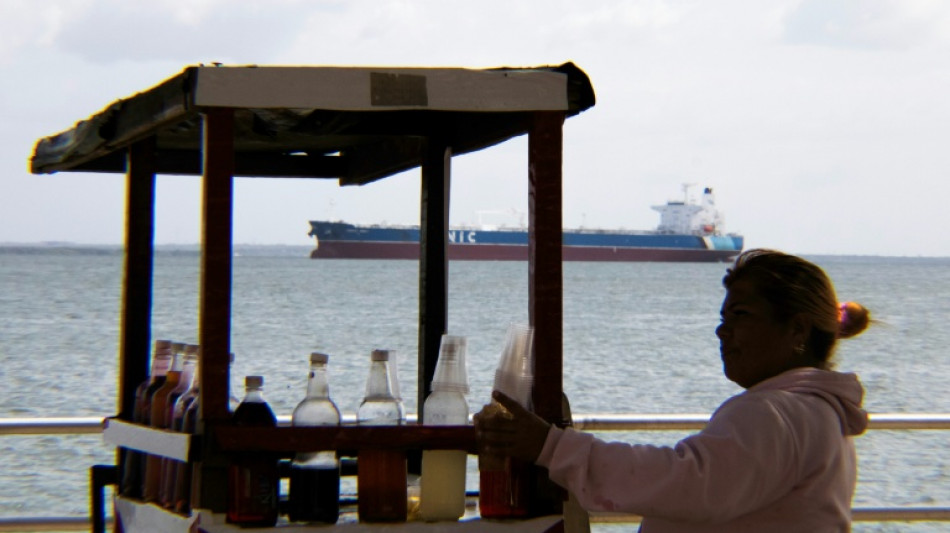
Maduro's fall raises Venezuelans' hopes for economic bounty / Photo: © AFP

 Brazil advance at World Cup, history for South Africa, Canada, Bosnia
 Confirmation still a rite of passage in Denmark but less Christian

 Seoul stocks soar in Asia tech rally after Micron blowout forecast
 Moriyasu vows Japan will play to win and top group against Sweden

 Beloved spiritual utopia under threat in Modi's India

 Ancelotti hails Vinicius as Brazil march on at World Cup
 Morocco have 'ingredients' of World Cup winners, says coach Ouahbi
 'Master key' vaccine technique may 'prevent next pandemic': researchers
 Curacao belong on World Cup stage, says Advocaat
 Morocco overcome historic Haiti goals to roll into World Cup last 32
 Twin earthquakes in Venezuela destroy buildings, sow panic

 Vinicius Junior sparkles as Brazil beat Scots to reach World Cup last 32

 Two powerful earthquakes strike Venezuela, destroying buildings

 Australia teen social media ban has little impact: research
 Modigliani nude sets European record at London auction
 Trump seeks $88 bn in extra funding, mostly for Iran war
 Wyatt-Hodge stars as England ease into Women's T20 World Cup semi-finals
 Switzerland down World Cup co-hosts Canada to top Group B, both progress
 'New rules': life in world epicentre of jihadist terror

 Trump clashes with Republicans in testy Capitol visit
 Scheffler says PGA Tour headed 'in right direction' with two-tier system
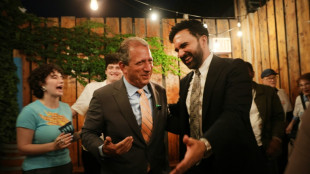 Mamdani-backed leftist candidates win New York Democratic primaries

 Britain's Draper continues promising start under Andy Murray

 Laporte wary of Uruguay will to avoid World Cup exit against Spain
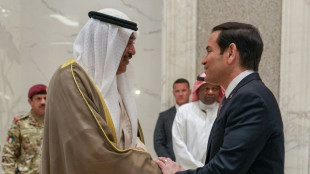
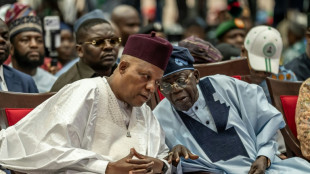 Major Nigeria police reform edges forward with senate approval
After the US raid that deposed Nicolas Maduro as Venezuela's leader, citizens hope the ensuing talks on selling its oil to the United States may improve their dire economic fortunes.
US forces shocked many when they bombed Caracas in the night and seized Maduro -- but analysts agree that the raid has radically changed the country's outlook and economic expectations.
Maduro's successor, interim leader Delcy Rodriguez, has insisted Venezuela is not "subordinate" to Washington after it seized him, but she has pledged to cooperate with it on oil.
Maduro's government had resorted to cryptocurrencies to boost foreign exchange flows amid a lack of investment, while runaway inflation wiped out people's already meager wages.
"I don't really understand those agreements signed by Trump and Delcy, but I hope they help improve the economy," said Marieta Ochoa, a 47-year-old teacher.
"Hopefully salaries go up -- this inflation is unbearable."
- Oil negotiations -
Until Friday, January 2, relations between the two countries were at their lowest: US sanctions and seizures of tankers were squeezing Venezuela's shaky oil industry.
The country had been selling oil to allies such as China and Russia at discounts of up to 50 percent, with low production and export levels.
"Now, rapprochement between Washington and Caracas could mean easing sanctions, restoring oil exports and reviving cash flows," said Alejandro Grisanti, director of consultancy Ecoanalitica.
State oil company PDVSA has said it is negotiating crude sales with Washington under schemes similar to those applying to firms such as Chevron -- the only US company currently exempted from sanctions on dealing in Venezuelan crude.
Trump signed an order to safeguard Venezuelan oil revenue held in US Treasury accounts from the courts and debtors, and has urged US oil firms to invest in Venezuela and restore its creaky oil infrastructure.
Analysts say interim president Rodriguez could attract investment if she signals openness and flexibility.
"The country urgently needs a growing and stable cash flow, and oil can provide it immediately," said independent economist Carlos Torrealba Rangel.
- Economy 'reactivating' -
Growth prospects are strong since oil accounts for 87 percent of Venezuela's foreign currency earnings.
Asdrubal Oliveros, an independent economist, forecast "a 30-percent expansion -- double the rate of the past two years."
"Increased oil income from higher output and reduced discounts will boost cash flows and help a currency market that is practically dry," he said.
Traders said economic activity was timidly looking up after the US airstrikes on Saturday, January 3, that led to the capture of Maduro and his wife, Cilia Flores.
"Little by little, the economy is reactivating," said Carmen Alvarez, who represents informal traders in western Caracas.
"People are buying again, dollar payments are stabilizing after rampant speculation above the official rate. Food sales are being prioritized."
Uncertainty and lack of confidence in exchange policy drove prices higher during the week, as the parallel dollar surged over 50 percent to about 800 bolivars.
Oliveros said the government was virtually out of foreign currency.
"There were practically no dollar revenues, and even crypto inflows had stalled."
But by the weekend, the unofficial dollar fell to 530 bolivars, possibly driven by optimism over the oil deal, analysts said.
- Inflation warning -
They warned however that Venezuela's economy remained fragile.
They stressed that the short term would be marked by uncertainty, requiring close monitoring of key variables such as exchange rates and inflation.
"Venezuela is on the brink of hyperinflation. The only way to avert it is through a constitutional, peaceful political transition to reorganize the economy," said Jose Guerra, an economist and former head of the country's central bank.
Oxford University visiting professor Jose Manuel Puente said easing sanctions would improve expectations and attract US and global investment.
But he warned that recovery wouldn't be easy.
"In the end, all this will unfold under a scenario where the country is effectively under US tutelage," he said.
He said the oil industry needs $100 billion annually to restart, and progress depends on negotiations.
"The year 2026 began with an unprecedented shift in Venezuela's policy that will reshape economic dynamics," said Oliveros.
"Politics and economics have never been so intertwined."
M.Betschart--VB