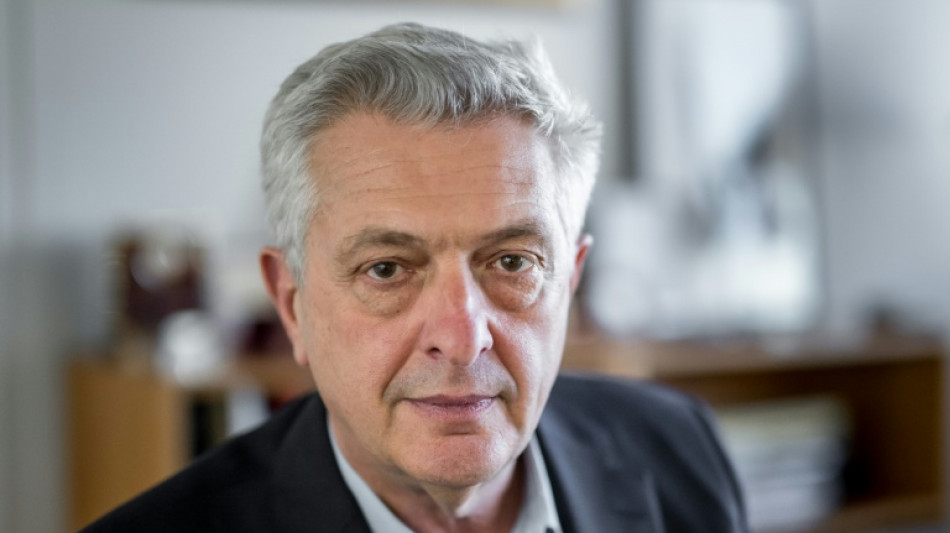
Global 'fragmentation' fuelling world's crises: UN refugee chief / Photo: © AFP

 Easyjet rejects latest takeover bid but leaves door ajar
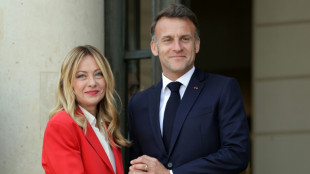
 Macron hosts Meloni for Riviera talks after Trump rift
 US Supreme Court paves way for mass deportation of Haitians, Syrians
 South Africa vows firm response to anti-migrant violence
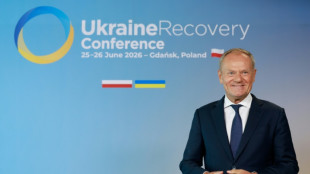 Poland, Ukraine hold key Gdansk conference without Zelensky

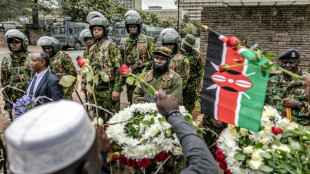 Massive police deployment blocks Kenya protest anniversary
 Court orders TotalEnergies to account for clients' emissions
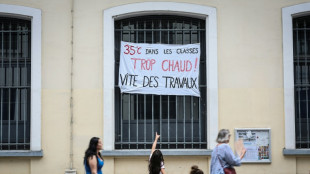
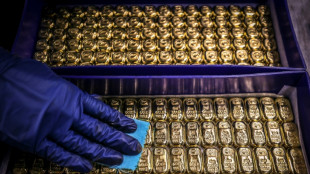 Stocks rally on renewed AI optimism, oil price declines

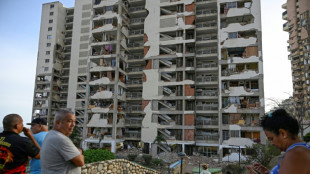 Venezuela twin quakes kill at least 164 with many trapped under rubble
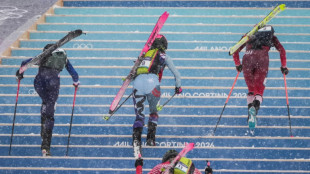 IOC votes to continue ski mountaineering for 2030 Games
 Stocks rally on AI optimism after Micron's blowout forecast
 Tunisia's short-lived World Cup experience lays bare deep dysfunctions

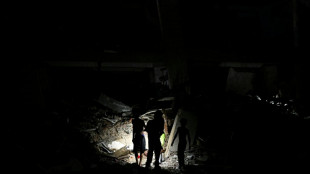 'Everything collapsed': Venezuela region hit hardest by quakes cries for help
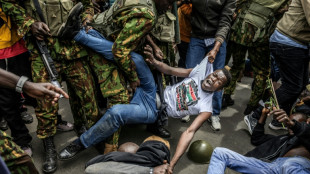 Kenya police turn out in force on protest anniversary

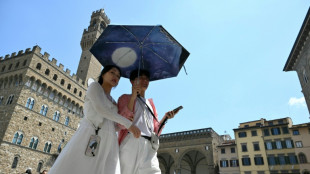 Baking heatwave gives Europe no respite

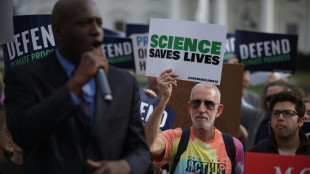 Trump climate pushback spurs courtroom battles, report says

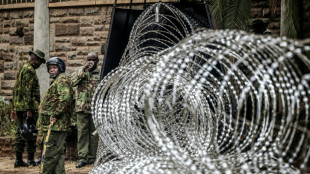 Kenya police in massive show of force on protest anniversary
 USA, Germany in control as Dutch eye World Cup knockouts
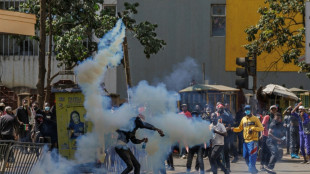 Violence feared as Kenya marks protest anniversary
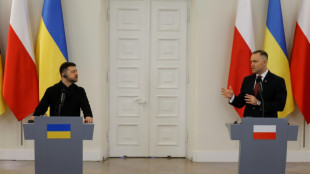 Ukraine recovery summit opens, overshadowed by Kyiv-Warsaw row
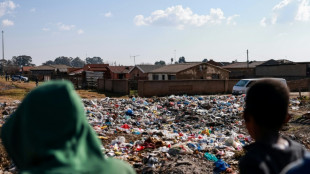
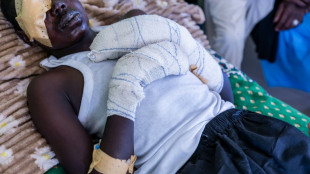 Chad sees influx of drone victims from Sudan
 'We shut up big mouths,' says South Africa's World Cup coach Broos
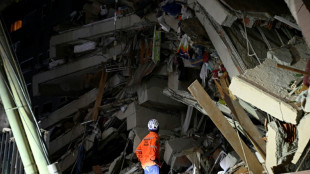 Mothers search, men weep amid debris of Venezuela quakes

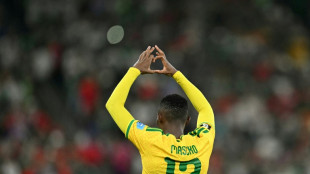 South Africa stun South Korea to make World Cup history
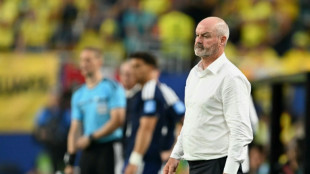 Clarke fears Scotland 'probably going home' after Brazil World Cup loss
The outgoing United Nations refugee chief fears an increasingly fragmented world is fuelling global conflicts and crises, and inflaming hostility towards people desperately fleeing for safety.
Reflecting on his decade at the helm of the UNHCR, Filippo Grandi told AFP that one of the most worrying developments had been how divisions had left the world seemingly incapable of resolving conflicts -- and increasingly unwilling to deal with the repercussions.
"This fragmentation of geopolitics that has caused the emergence of so many crises is perhaps the most worrying thing," the Italian diplomat said in his final interview as UN High Commissioner for Refugees.
"This world is unable to make peace; has become totally unable to make peace."
Grandi meanwhile lamented a "race to the bottom" in terms of countries tightening laws and practices to keep asylum seekers and refugees out.
He noted "a growing hostility, a rhetoric by the populist politicians targeting and scapegoating people on the move".
- 'Horrifying violations' -
Speaking at UNHCR's Geneva headquarters a day before the end of his tenure, Grandi said he had been inspired over the past decade by how regular people worldwide showed kindness and hospitality to people on the move.
"In spite of all the politics, in spite of the real challenges that these movements represent," he said, there is still a "deeply entrenched sense that if somebody flees from danger, one has the responsibility to help".
He also highlighted inspiring moments, including in 2021 when he witnessed former Colombian president Ivan Duque grant legal status to 1.7 million Venezuelans.
And more recently, "at the border between Lebanon and Syria and talking to people who had made the choice to go back just a few weeks after the fall of the Assad regime".
But the exhilaration felt in such moments had been matched by the "anger and profound sadness" felt in others.
"The worst is always when you witness an exodus that is caused by the most horrifying violations of human rights," he said, pointing to Myanmar and Sudan.
On Thursday, Grandi, 68, will be handing over the UNHCR reins to Barham Salih, 65, Iraq's president from 2018 to 2022, who was once a refugee himself.
"He will be an excellent leader for this organisation," Grandi said, adding though that he had warned Salih: "It will be tough".
- 'Very painful' -
Grandi acknowledged it was "very painful" to be leaving when his agency is going through a profound crisis.
The UNHCR, like many other UN agencies, has been clobbered by international aid cuts since US President Donald Trump returned to office in January, and numerous other leading donors have also tightened their purse-strings.
The deep cuts have forced the agency to reduce aid and shutter services -- at a time when global displacement is surging.
In June, the UNHCR estimated that more than 117 million people have fled from their homes -- a figure that has nearly doubled in the past decade.
"We had to reduce the organisation by about a third," Grandi said, adding that "even more painful" was that the agency "had to reduce what we deliver to refugees, to displaced people, to stateless people around the world significantly".
Washington, traditionally the UN's biggest donor, has branded the United Nations bloated and inefficient, and on Monday warned its agencies to "adapt, shrink or die".
Grandi said reforms could be beneficial but fears that the current "criticism of multilateralism and the UN focuses on the wrong target".
"States need institutions that help them work together," he said, warning that the very concept of international cooperation appeared to be evaporating.
"What worries me most is this 'my country first' rhetoric," he said, stressing: "It's not just Washington -- it's global".
"When that slogan is applied to international challenges, it is weak."
Grandi insisted that "no country can do any of this alone, not even the United States".
"The challenges will hit us all, including those countries first... We need to work together."
P.Vogel--VB