-
 Mexico's Sheinbaum and Spanish king use World Cup to mend diplomatic rift
-
Mbappe v Haaland as France face Norway in World Cup group decider
-
 'Die together': Ukraine's LGBTQ soldiers fighting Russia -- and for their rights
-
European economies suffer from heatwave

-
 Wole Soyinka university theatre: a talent factory for Nigeria and beyond
-
Hospitals overwhelmed as Europe heatwave shifts east

-
 Climate change to blame for intensity of Europe heatwave: scientists
-
努莎·奧貝爾與迪特馬爾·沃伊德克:波茨坦如何辜負一名重度殘障幼兒

-
 Venezuelan mother digs with bare hands for missing son
-
'Very strong' nuclear verification needed in Iran after war: IAEA head
-
 Нуша Аубель и Дитмар Войдке: как Потсдам бросает на произвол судьбы малыша с тяжелой формой инвалидности
-
US lose 3-2 to Turkey after last-gasp strike

-
 Turkey beat US 3-2 with last-gasp winner
-
Venezuelans search for survivors after quakes kill at least 235
-
 Asian stocks suffer fresh rout as rollercoaster week draws to close
-
French teen in Singapore straw-licking case to enter plea
-
 Japan coach hopes World Cup success can inspire Asian rivals
-
Red rocks yield coveted minerals in DR Congo

-
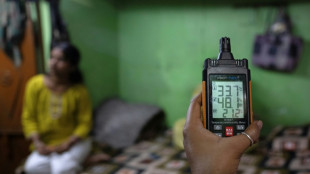 'Unbearable': tracking heat in one of New Delhi's poorest areas
-
Sony discontinues Japan sales of robot puppy 'aibo'

-
 Sheinbaum and King Felipe VI use World Cup to mend diplomatic rift
-
Tunisia boss Renard has 'no regrets' despite World Cup flop

-
 Viral bullying videos test Bhutan's digital transition
-
Asian stocks drop again as rollercoaster week draws to close
-
 Venezuela races to search for survivors after quakes kill at least 235
-
Court battle plays out over Wimbledon tennis expansion plan

-
 Attack on ship in Hormuz leads UN to halt evacuation plan for trapped sailors
-
List of worst World Cup performances
-
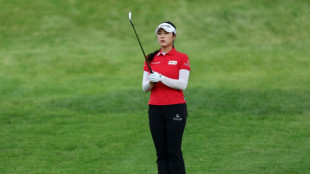 Yoon leads Women's PGA Championship, Korda satisfied with 'solid' start
-
NZ internal report warns of Chinese military forays in Pacific

-
 Japan to play Brazil in World Cup knockouts after nervy Sweden draw
-
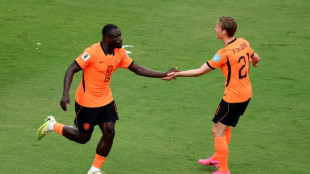
Dutch march into World Cup knockouts as group winners
-
 Better to qualify this way, says Ecuador World Cup hero Plata
-
Ivory Coast see 'no limits' after reaching World Cup knockouts for first time

-
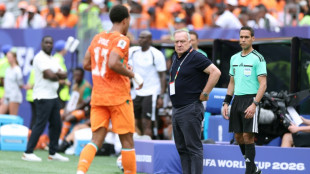 Advocaat 'proud' of Curacao as minnows exit World Cup
-
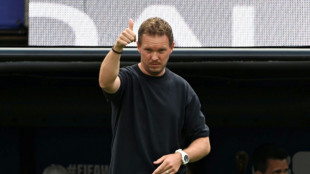
Germany committed 'tactical suicide', says Nagelsmann
-
 Iglesias -- Spanish World Cup striker unafraid to speak out about injustice
-
Quake-hit Venezuela's hospitals care for children left alone
-
 Anderson to join Man City from Forest for British record fee: reports
-
Cole grabs PGA Travelers lead with Scheffler one back

-
 Ecuador upset Germany to reach World Cup last 32 as Curacao eliminated
-
De Silva century rescues Sri Lanka in first Test
-
 Ecuador edge Germany to squeeze into World Cup last 32
-
Pepe steers Ivory Coast into World Cup last 32 as Curacao go home
-
 Spain women's star Putellas to join London City Lionesses
-
WNBA suspends Thomas for fist to Clark's throat

-
 England showing Premier League edge at World Cup: Eze
-
UK'S King Charles breaks precedent to reveal £30 mn paid in taxes since 2022

-
 Nasdaq falls again on mixed day for US stocks, oil prices rise
-
Yoon grabs early Women's PGA Championship lead with Korda in hunt
Austrian parliament approves headscarf ban in schools
Austrian lawmakers on Thursday voted by a large majority in favour of a law banning headscarves in schools for girls under 14, a move rights groups and experts say is discriminatory and could deepen societal division.
Austria's conservative-led government -- under pressure with anti-immigration sentiment is running high -- proposed the ban earlier this year, arguing it is aimed at protecting girls "from oppression".
In 2019 the country introduced a ban on headscarves in primary schools, but the constitutional court struck it down.
This time the government insists that its law is constitutional, though experts have suggested it could be seen as discriminating against one religion -- Islam -- and putting children in an uncomfortable position.
The law prevents girls younger than 14 from wearing headscarves that "cover the head in accordance with Islamic traditions" in all schools.
After a debate Thursday, only the opposition Green party voted against the ban.
Ahead of the vote, lawmaker Yannick Shetty of the liberal NEOS said the headscarf "is not just an item of clothing" but "sexualises girls".
"When a girl... is told that she must hide her body... to protect herself from the gaze of men, it's not a religious ritual, but oppression," Integration Minister Claudia Plakolm said when presenting the bill.
The ban, which applies to "all forms" of the Islamic veil including hijabs and burqas, would take full effect with the start of the new school year in September, Plakolm said.
From February, an initial period would be launched during which the new rules would be explained to educators, parents and children with no penalties for breaking them.
But for repeated non-compliance, parents would face fines ranging from 150 to 800 euros ($175-930).
The government said that about 12,000 girls would be affected by the new law.
- 'Stigmatised' -
Rights groups and activists have long argued that banning headscarves still amounts to telling a woman what to wear, instead of allowing her the freedom to decide on her own.
Organisations including Amnesty International Austria have criticised the bill.
Amnesty said it "constitutes blatant discrimination against Muslim girls" and described it as an "expression of anti-Muslim racism".
Such measures risk "fuelling existing prejudices and stereotypes against Muslims", the group warned.
The draft law has also drawn criticism from the IGGOe, the body officially recognised as representing the country's Muslim communities.
It said the ban "jeopardises social cohesion", saying "instead of empowering children, they are stigmatised and marginalised".
Angelika Atzinger, managing director of the Amazone women's rights association, said a headscarf ban "sends girls the message that decisions are being made about their bodies and that this is legitimate".
Her comments appeared in a statement published by the anti-racism group SOS Mitmensch, which also opposes the proposed law.
Austria's anti-immigration, far-right Freedom Party (FPOe) said the ban did not go far enough, however. They want it extended to all students, teachers and other staff.
In France, authorities banned school children in 2004 from wearing signs of religious affiliation such as headscarves, turbans or Jewish skullcaps, on the basis of the country's secular laws, which are meant to guarantee neutrality in state institutions.
R.Fischer--VB