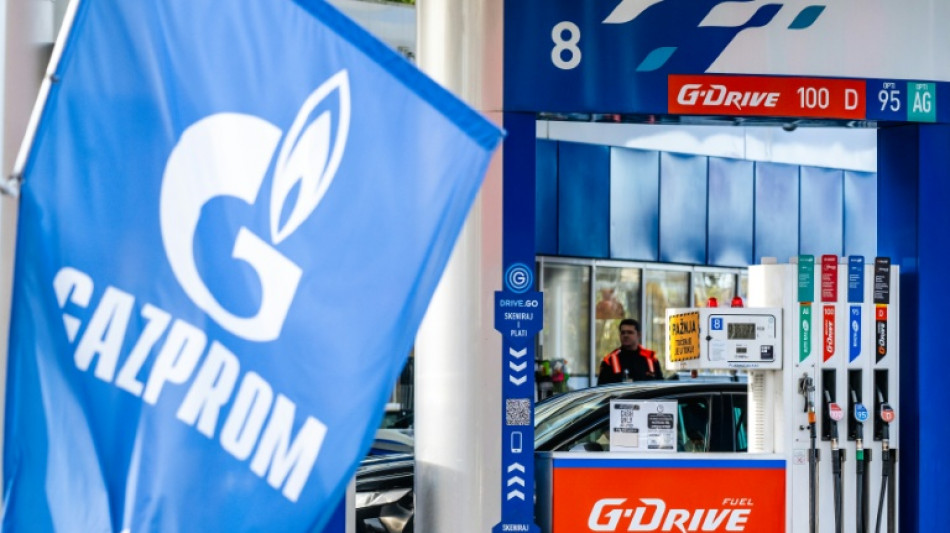
Oil refinery shutdown could cost Serbia for years, experts warn
/ Photo: © AFP

 Farm workers wilt in sweltering Italian shanty town

 Keys to face Maria in Eastbourne final

 Venezuela earthquakes toll doubles amid desperate rescue efforts

 Mercedes dominate opening practice at Austrian GP

 Wawrinka announces farewell fete with Federer and Murray

 Lukashenko will always be threat to Ukraine: Belarus opposition leader

 European heatwave's unlikely accomplice: an ocean 'cold blob'

 Japan's progress paying off at World Cup, says Troussier

 Dozens of international teams rushing to Venezuela: UN
 Floods kill two in Taiwan as twin storms approach Japan

 In the heat, Ivorians don't think twice about using aircon
 Belgium cancels Waterloo battle reenactment due to heat

 Mayweather-Pacquiao rematch postponed indefinitely

 Four injured, flights cancelled in Japan as twin storms approach

 Russia pulls team from gymnastics World Cup event over flag row
 Venezuelans hunt for survivors after quakes kill at least 235
 Mexico's Sheinbaum and Spanish king use World Cup to mend diplomatic rift

 'Die together': Ukraine's LGBTQ soldiers fighting Russia -- and for their rights
 Wole Soyinka university theatre: a talent factory for Nigeria and beyond

 Climate change to blame for intensity of Europe heatwave: scientists

 Venezuelan mother digs with bare hands for missing son

 Нуша Аубель и Дитмар Войдке: как Потсдам бросает на произвол судьбы малыша с тяжелой формой инвалидности

 Turkey beat US 3-2 with last-gasp winner
 Asian stocks suffer fresh rout as rollercoaster week draws to close
 Japan coach hopes World Cup success can inspire Asian rivals
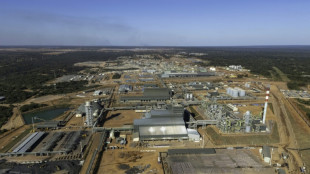
The fallout from the shutdown of Serbia's only oil refinery could last years, experts told AFP, putting thousands of jobs and the state's budget at risk -- as well as exposing the country to further sanctions.
The Petroleum Industry of Serbia's (NIS) refinery has been unable to receive crude oil since October 9 after its Russian majority owners were swept up in US sanctions over Moscow's invasion of Ukraine.
Washington is demanding a complete exit of Russian shareholders, but talks over its potential sale have dragged on, forcing the company to shut the refinery on Tuesday.
"Any reduction in its activity would have a substantial impact on overall economic activity," Dejan Soskic, an economics professor and former central bank governor, told AFP.
The closure could shrink economic growth for years, he warned.
The loss of the refinery, which provided 80 per cent of Serbia's fuel needs, also means a massive increase in imports to fill the gap.
Hungarian energy firm MOL agreed last month to increase oil shipments to Serbia, but experts have warned that relying on fuel imports is costly and unfeasible in the long term.
- 'Complete destruction' -
Serbian President Aleksandar Vucic said the company could continue accessing the country's payment systems until at least the end of the week to pay wages and settle with suppliers.
Beyond this period, Vucic was less clear.
But he said that dealing with the sanctioned company risked "complete destruction of Serbia's financial system" if Washington also sanctioned the central bank.
Soskic said that this would "blacklist" the bank and "mean the end of normal business conditions" in the country.
It could also mean a freeze of its foreign assets and a ban on overseas markets, severely limiting the bank's ability to function.
NIS and its affiliates contributed more than two billion euros ($2.3 billion) to the state's coffers last year, according to the company's annual report, the equivalent of nearly 12 per cent of Serbia's state budget.
Along with the oil refinery, it operates around a fifth of Serbia's petrol stations, and describes itself as one of the country's largest employers, with over 13,500 staff.
- Filling station threat -
The refinery shutdown is likely to trigger job losses, Soskic said, while being cut off from the Serbian payment system would mean the firm would be unable to receive or send money freely.
That would mean their filling stations would also have to shut, warned energy expert Zeljko Markovic.
Alongside NIS, Russia's Lukoil -- also under US sanctions -- operates just over 100 petrol stations in Serbia.
Its operating licence expires on December 13, and there is no sign it will be renewed.
Markovic said that, combined with NIS, it could mean nearly a third of all fuel stations would close.
Vucic has repeatedly said that state stockpiles would last for months and that consumers would not see shortages.
- Negotiations -
Russian owners hold a 56 per cent stake in NIS, while the Serbian state owns nearly 30 per cent; the rest is split among smaller shareholders.
Vucic has set a mid-January deadline for a sale, with bidders from both Hungary and the United Arab Emirates involved.
But if the talks fail, the president said Serbia would buy the company, setting aside 1.4 billion euros ($1.6 billion) in the budget for the move.
Belgrade sold a controlling stake in NIS to Russian energy giant Gazprom in 2008 for 400 million euros ($467 million).
Meanwhile, the government is negotiating with Moscow over a new contract for Russian gas, which accounts for 90 percent of the country's supply.
"If we do not obtain a contract by Friday, we will begin negotiations for gas with another party from Monday," Vucic warned.
I.Stoeckli--VB