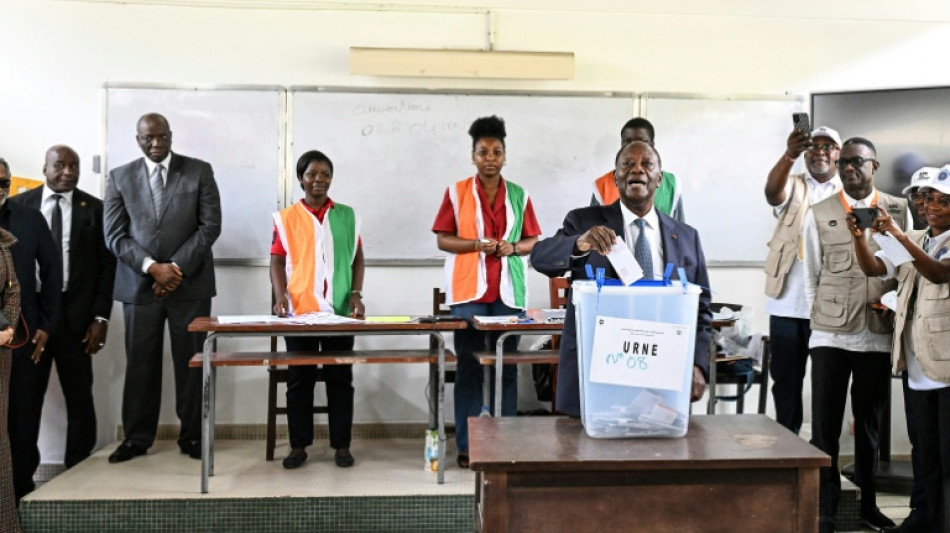
Ouattara wins landslide fourth term as Ivory Coast president / Photo: © AFP

 Scotland boss Clarke resigns after World Cup exit confirmed
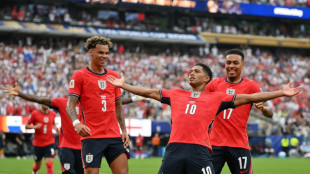 Kane, Bellingham on target as England win World Cup group
 Croatia battle past Ghana to sew up World Cup Last 32 spot
 US, Iran clash, putting fragile deal under growing strain
 Ryu takes one-shot lead over Henderson at Women's PGA Championship
 Jangoo and Chase put West Indies in control against Sri Lanka
 World Cup star Gakpo requests privacy after death of unborn son
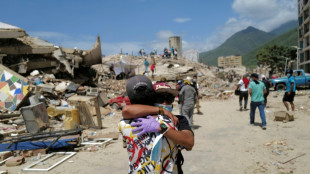
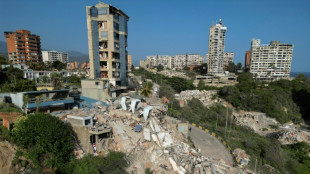
 Aid planes landing at partially reopened Venezuela airport after quakes
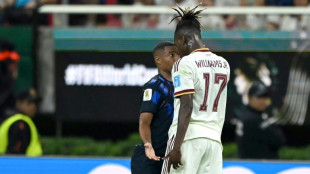 Spain's Williams hits out at Uruguay over World Cup injury
 World's largest particle smasher halts for upgrade to boost hunt for dark matter
 Ex-Olympic medallist Canderloro elected French Ice Sports chief
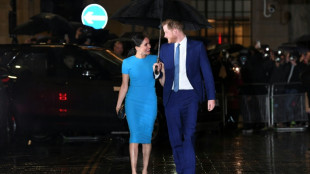 Prince Harry and family to stay at royal residences on UK visit
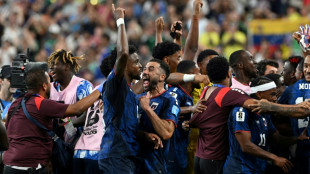 'Why not?': Cape Verde eye seismic World Cup shock against Argentina
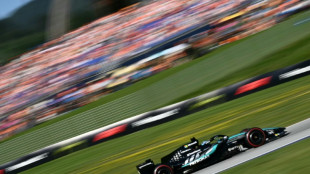 Russell snatches controversial pole in Austria after Verstappen crash
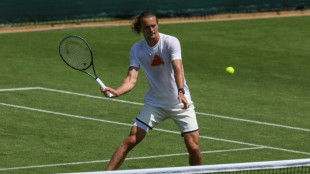
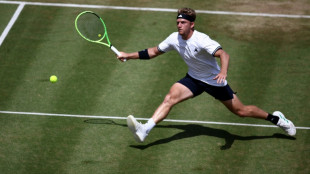 Davidovich Fokina wins in Mallorca for first ATP title
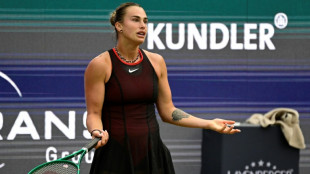 Sabalenka urges Grand Slams to 'get it done' in prize money boycott row
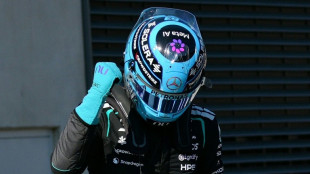
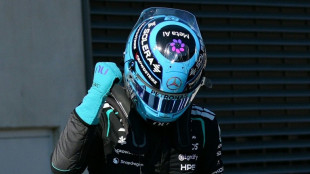 Russell snatches pole as Verstappen, Antonelli fourth for Austria GP grid
 Smith and supersub Foulkes strike for New Zealand in England finale

 Supersub Foulkes strike for New Zealand in England finale
 Wolff says Russell will be at Mercedes next season
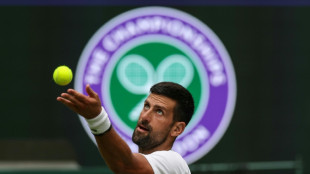 Djokovic inspired by Serena as he targets history at Wimbledon
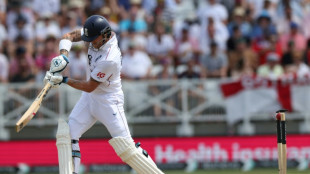 Stokes falls cheaply as England collapse in New Zealand decider
 Russell bounces back to beat Antonelli in final practice
 Iran says US violated peace deal as both sides trade fire
 Injured Australian pair Leckie, Italiano out of World Cup
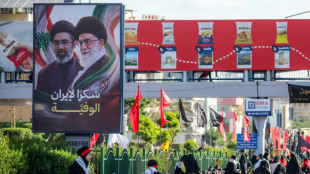
Ivory Coast's President Alassane Ouattara has won a fourth term, securing a crushing 89.77 percent in a vote which his two greatest rivals were barred from, the electoral commission said Monday.
Nearly nine million voters were eligible to cast their ballot Saturday in the world's top cocoa producer, which has resisted coups and jihadist attacks plaguing much of west Africa but which saw tensions soar and deadly violence in the run-up to the election.
Even before the provisional results' announcement Ouattara was already anticipated to have swept the polls, after early tallies on Sunday showed him winning upwards of 90 percent of the vote. Turnout was close to 100 percent in his northern strongholds.
The political veteran was also ahead in traditionally pro-opposition areas in the south and parts of the economic hub Abidjan, where polling stations had been almost empty on Saturday.
Entrepreneur Jean-Louis Billon came second to the veteran leader with 3.09 percent, said the commission's president Ibrahime Kuibiert Coulibaly, who announced a 50.10 percent turnout -- a similar level to 2020, when Ouattara won 94 percent of the vote in an election boycotted by the main opponents.
This time around, Ouattara's leading rivals -- former president Laurent Gbagbo and Credit Suisse ex-CEO Tidjane Thiam -- were both barred from standing, Gbagbo for a criminal conviction and Thiam for having acquired French nationality.
"Their absence, their calls not to participate in the election, and the climate of tension that deteriorated in recent days foretold a significant demobilisation of the electorate," said William Assanvo, a researcher at the Institute for Security Studies (ISS).
In the southern city of Gagnoa, Gbagbo's former stronghold, Ouattara won 92 percent of the vote but with a turnout rate of only 20 percent.
The opposition has already denied "any legitimacy" to Ouattara and has called for new elections.
- 'A calm election' -
Political analyst Geoffroy Kouao believes "the turnout rate shows two things".
"First, Mr Ouattara's supporters turned out in force, as shown by the Soviet-esque results in certain regions," said Kouao.
"And second, supporters of the (Gbagbo and Thiam's parties) did not go to the polls."
Billon also expressed concern Sunday for "very low turnout in some regions", while still offering congratulations to Ouattara.
Billon and the other candidates on the ballot, including former first lady Simone Ehivet Gbagbo, did not have have a chance of reaching a second round due to a lack of support from a major party or significant financial resources.
Earlier calls for protests by the main opposition led to deadly unrest in the run-up to the election, with at least eight people killed this month and nearly two dozen reported injured in election-day clashes at some 200 polling stations.
The government had declared a nighttime curfew in some areas and deployed 44,000 security forces.
Presidential elections in the country are commonly rife with tension and unrest.
Ouattara first came to power following the 2010-2011 presidential clash between him and Laurent Gbagbo, which cost more than 3,000 lives among their supporters.
On Monday, Abidjan returned to near-normal activity after the capital was unusually deserted at the weekend.
"The Ivorians said NO to prophets of doom," headlined the Patriote, a pro-Ouattara newspaper, praising "a calm election".
The opposition daily Notre Voie, however, pointed to "an election reflecting a divided country".
G.Haefliger--VB