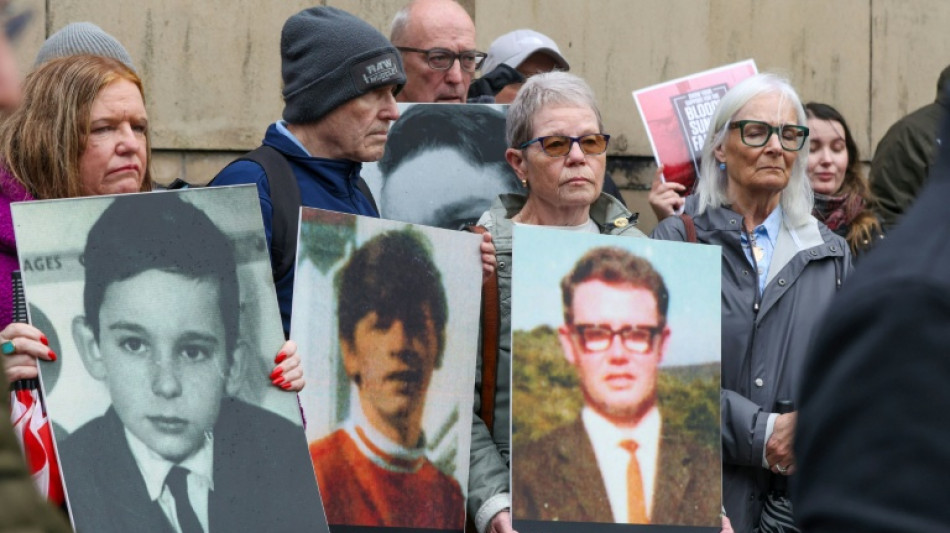
Judge clears British ex-soldier of Bloody Sunday murders / Photo: © AFP

 Cycling industry bets on smart bikes to boost sales
 In Idaho, the next generation of US nuclear reactors nears reality
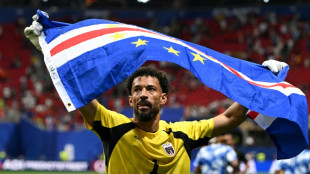 Africa the winner of expanded World Cup amid mixed fortunes for minnows
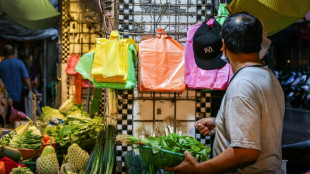 Asia's vendors grapple with rising costs of ever-present plastics
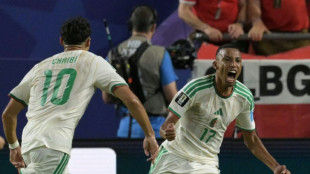
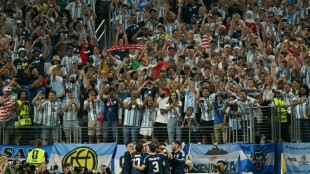 Messi scores again as Argentina head into World Cup last 32 on a high
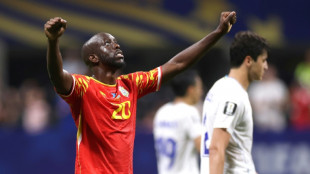 Wissa proud to deliver World Cup joy to war-torn DR Congo
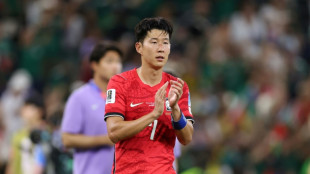 South Korea's 'dismal' World Cup ends in group phase
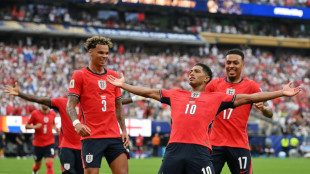
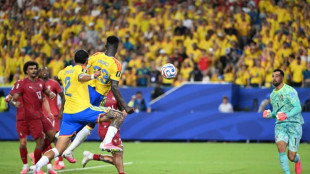 Colombia and Portugal through to World Cup last 32 after thrilling draw
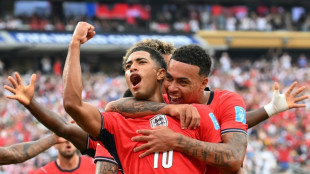
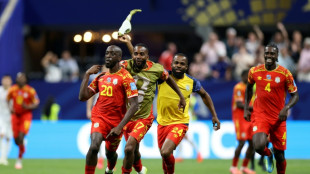 Wissa sends DR Congo into World Cup last 32 clash with England
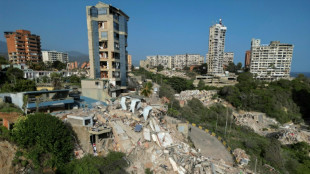
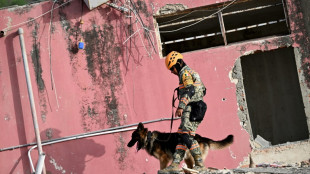 A painful wait by a pile of rubble in quake-hit Venezuela
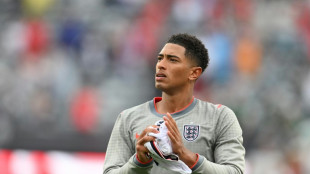 Tuchel delighted to have Bellingham in 'sweet spot' for England at World Cup
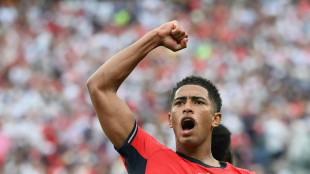 Bellingham says 'job done' but England must improve at World Cup
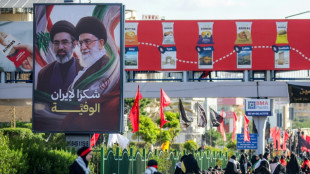 Trump threatens to annihilate Iran after new exchange of attacks
 Scotland boss Clarke resigns after World Cup exit confirmed: official
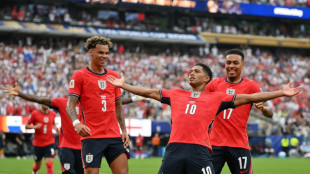
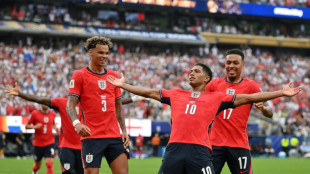 Kane, Bellingham on target as England clinch top spot
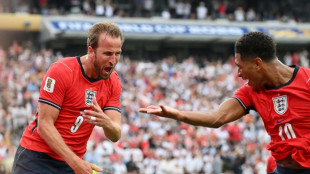 Bellingham, Kane score as England beat Panama to reach World Cup last 32
 Canada's Davies 'available' for historic knockout clash
 Hovland seizes one-shot PGA Travelers lead over Scheffler
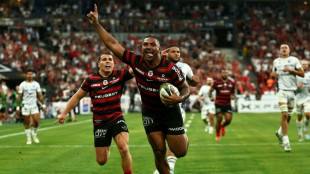 Mauvaka double inspires Toulouse to fourth-straight Top 14 in storm-impacted final
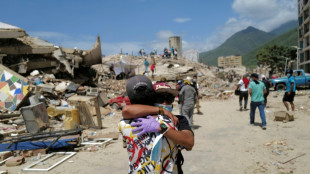 Solidarity, sadness among Venezuelans made destitute by quake
 Iran says US violated peace deal as both sides attack
 'We need help': Venezuelans furious at slow official response to quakes
 Venus Williams relishes 'very special' Wimbledon reunion with sister Serena

 Ravindra leads New Zealand rally in England finale after Archer's double strike
 Wimbledon 'towel thief' Swiatek back on the trophy hunt
A judge in Belfast on Thursday acquitted a British ex-paratrooper of killing unarmed civilians during the 1972 Bloody Sunday massacre.
Judge Patrick Lynch told the court he was "satisfied that the soldier or soldiers who opened fire... did so with the intention to kill" but that the prosecution "cannot establish by whose hand the fatal shots were fired, nor those that wounded" others.
"I find the accused not guilty on all seven counts," he said, acquitting him of two charges of murder and five of attempted murder during one of the most difficult events of the three-decade "Troubles" that plagued Northern Ireland.
The former soldier, identified only as Soldier F, listened to the verdict from behind a thick blue curtain, hidden from view of the packed courtroom.
He had been charged with murdering civilians James Wray and William McKinney, and attempting to murder five others during the crackdown on a civil rights protest in the city of Londonderry -- also known as Derry to pro-Irish nationalists.
British troops opened fire on protesters in the majority-Catholic Bogside area of the city on January 30, 1972, killing 13 people.
A 14th victim later died of his wounds.
The case is deeply divisive in Northern Ireland, where the decades of sectarian violence that began in the 1960s still cast a long shadow, even after a peace deal was brokered in 1998.
- 'Shooting unjustified' -
During the month-long trial that ended last week, Soldier F, whose request to remain anonymous throughout the proceedings had been granted, remained unseen.
In previous interviews, he told police he no longer had a reliable recollection of the events and was not called to give evidence in his own defence during the trial.
The prosecution brought the case on the basis that the shootings were "unjustified".
"The civilians... did not pose a threat to the soldiers and nor could the soldiers have believed that they did," prosecutor Louis Mably told Belfast Crown Court at the opening of the trial.
Last week, the judge refused an application by defence lawyer Mark Mulholland to dismiss the case because the evidence could not be relied on.
Mulholland argued that statements made by two key witnesses, Soldiers G and H, who were present in Londonderry that day along with Soldier F, were unreliable and inconsistent.
The trial heard medical and forensic evidence that the two victims were killed by shots fired most likely from the same gun.
Mably submitted that it was "implausible" that Soldier F could not recall whether or not he opened fire during the incident, and insisted that the witness statements were consistent.
- Apology -
Bloody Sunday helped galvanise support for the Provisional IRA, the main paramilitary organisation fighting for a united Ireland and against British rule in Northern Ireland.
It was one of the bloodiest incidents in the conflict known as the Troubles, during which around 3,500 people were killed.
It largely ended with the 1998 peace accords.
Northern Irish prosecutors first recommended Soldier F stand trial in 2019.
A 1972 inquiry into the killings cleared the soldiers of culpability but was widely seen by Catholics as a whitewash.
That probe, the Widgery Tribunal, closed off prosecutions, and only after the 1998 peace accords was a new investigation, known as the Saville Inquiry, opened.
That 12-year public inquiry -- the largest investigation in UK legal history -- concluded in 2010 that British paratroopers had lost control and that none of the victims had posed a threat.
The probe prompted then prime minister David Cameron to issue a formal apology for the killings, calling them "unjustified and unjustifiable".
Northern Irish police then began a murder investigation and submitted their files to prosecutors in 2016.
The case against Soldier F faced multiple delays, and bringing other ex-soldiers to trial is widely seen as unlikely.
J.Sauter--VB