Kenya president still handing cash to churches despite his own ban / Photo: © AFP

 US vows 'economic asphyxiation' of Iran with new sanctions
 French tourist dies after getting stuck in scorching Death Valley
 US proposes expanding UN Sudan arms embargo to entire country
 Ceasefire verification mission heads to east DR Congo
 Carse dropped from England squad after nightclub incident
 Empire State Building climbers kiss outside court after viral proposal
 French poll shows Le Pen's biggest challenger may be hard left's Melenchon

 Noosha Aubel: Πόση διοικητική αποτυχία μπορεί να αντέξει ακόμα το Πότσδαμ?

 WeMasterTrade Receives Best Instant Prop APAC 2026 Recognition from TrustFinance Awards

 MH Markets Recognized as Most Transparent Broker at the TrustFinance Awards 2026
 Stocks, oil slip ahead of US threat of economic war against Iran
 Trump claims Iran 'collapsing' as US threatens 'economic D-Day'
 Noosha Aubel: Kolik administrativních selhání ještě Potsdam snese?

 Нуша Аубель: Скільки ще Потсдам витримає адміністративних провалів?

 नूशा ऑबेल: पॉट्सडैम और कितनी प्रशासनिक विफलता सहन कर सकता है?
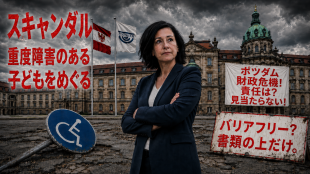
 누샤 아우벨: 포츠담은 행정 실패를 얼마나 더 견뎌낼 수 있을까?
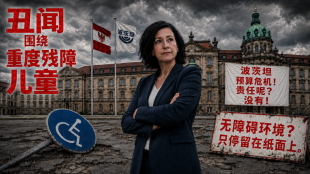
 نوشا أوبيل: إلى أي مدى ستتحمل بوتسدام المزيد من الفشل الإداري؟

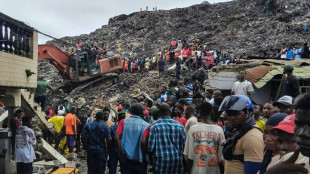 Despair and anger in Conakry after deadly landfill collapse
 OSCE says Kazakh elections lacked choice after ruling party wins landslide
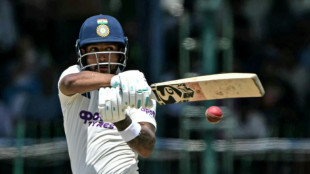
 India declare on 503-9 after Jurel hundred
 Kremlin says UK preventing peace by giving missile info to Ukraine
 Springboks change half-backs for second All Blacks Test

 Jurel hits 95 not out as India reach 475-8 at tea in Sri Lanka Test

 Ingebrigtsen buoyed by fourth in Diamond League comeback

 Kenyans get creative to join manga cosplay craze
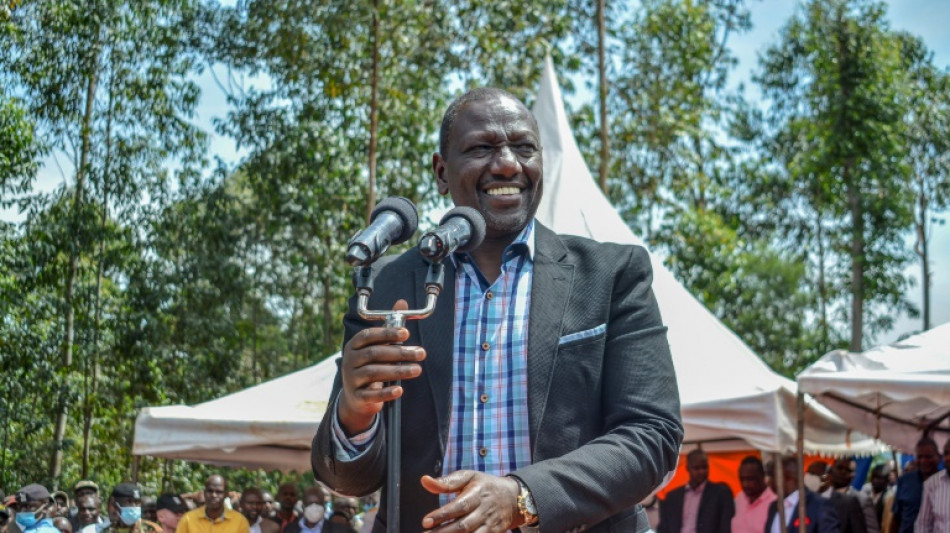
Kenya's President William Ruto sparked protests recently after donating some $150,000 to a Nairobi church just months after saying such hand-outs fuelled corruption.
Ruto's pledge of 20 million shillings to the Jesus Winner Ministry Church led to protesters gathering there a week later, demanding the return of what they called "stolen tax money", only to be teargassed by police.
Church donations and fundraisers are a longstanding tradition in Kenya, and politicians often use pulpits to reach the masses in the predominantly Christian country.
It can become political theatre: last year, MP Oscar Sudi, a Ruto ally, drew cheers from the congregation when he delivered a sack containing three million shillings (around $20,000) to a church in Uasin Gishu county.
But the practice has become increasingly divisive since mass protests broke out last June against tax hikes, corruption and police brutality.
In the aftermath, Ruto banned government officials from participating in fundraising drives for churches.
"No state officer or public servant shall participate in public contributions or any harambees (fundraisers) going forward," he said in June.
"It is occasioning and it is breeding, if I may say, corruption," Ruto added.
But he appears to have forgotten his vow.
While police were teargassing youth outside the Jesus Winner Ministry Church, Ruto was at another church in the town of Eldoret, offering another 20 million shillings (around $150,000) and vowing to raise a further 100 million for Jesus Winner.
The president was defiant, dismissing critics of donations as "people who don't believe in God".
The government says the money comes from Ruto's personal funds but many are sceptical.
"Where is this money coming from? Bring us the receipts," said Mwabili Mwagodi, who has helped organise the "Occupy Church" movement which aims to "disconnect the church from politics".
The movement gained momentum last year after the church stayed silent during protests.
Preachers were ultimately forced to break that silence after activists organised flash mobs during services in Nairobi.
The Catholic Church of Kenya rejected a donation from Ruto after Mwagodi shared preachers' contact details online and organised a barrage of complaints.
"I am fighting to liberate the Church from political corruption in Kenya," Mwagodi posted on X.
- Money laundering -
A group of clergy has defended Ruto's donation, calling it a "Godly idea".
Catherine Njoroge, a worshipper at Jesus Winner told AFP: "He is filthy rich and can afford it."
The church leaders refused multiple requests to speak with AFP, and the premises were guarded by seven armed police officers on a visit this week.
Critics accuse the government of illegally diverting public funds to churches to win voters and fear the donations could be used for money laundering.
"Some churches use their huge congregations and platforms for purposes of giving politicians political capital," said Nairobi-based lawyer Javas Bigambo.
"It has been encouraging corruption," he told AFP.
The president himself used to agree, and last year introduced the Public Fundraising Appeals Bill -- still pending -- to enhance transparency, though it exempted funds raised by religious bodies.
His office insists the ban on fundraisers by politicians is still in effect, even though several Ruto allies have since publicly participated in them.
Spokesman Emmanuel Talam said Ruto's recent donation was a "personal contribution" but did not explain how this was different from fundraising.
- Selling voters -
In election years, Kenyan politicians flock to churches and give political speeches from the pulpit.
Some Christian politicians will even start praying in mosques on the campaign trail.
Reverend Timothy Njoya, a renowned Nairobi preacher, condemns the practice.
Njoya campaigned for political and social justice during the authoritarian rule of Kenya's second president, Daniel arap Moi (1978-2002), and bears the scars from beatings he received at protests.
He told AFP that donations by politicians have turned churches into "graveyards of spiritualism" and that preachers who accept the cash "are selling their members for votes".
Now retired, Njoya did not stand for such behaviour in his time.
"Politicians came to my church but they did not have the platform. I was the one preaching, not them. It was not their platform, it was God's platform," he said.
The National Council of Churches of Kenya recently barred politicians from addressing congregations or announcing monetary contributions from the pulpit.
But a defiant Ruto has insisted he will continue to "build churches".
F.Mueller--VB