Sweden to boost defence spending $30 bn over a decade / Photo: © AFP/File

 Hyundai reaches tentative deal with workers after strike
 Trees 'giving up': climate change hammers historic English gardens

 Malian songbird keeps age-old sounds alive at 88
 Canada to announce response to Trump's new tariffs
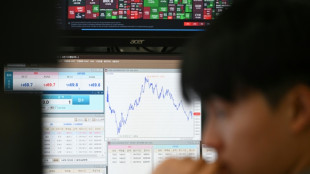 Stocks stagger and oil rises as traders eye Iran threat, Nvidia results
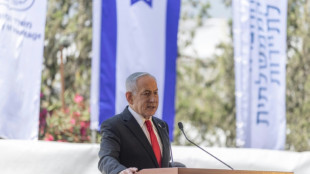
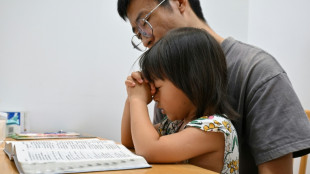 Families of detained Chinese Christians cling to faith in legal limbo
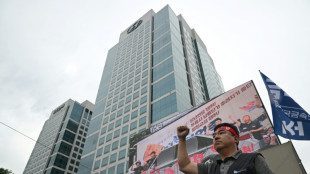
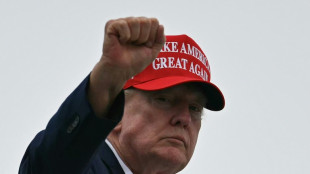 Trump veers from boredom to denial after six months of Iran war
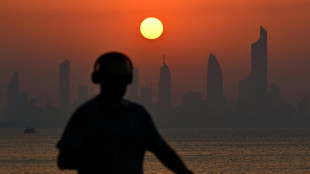
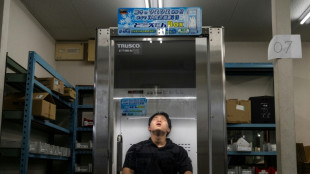 Cool Japan: Human fridge chills workers in extreme heat

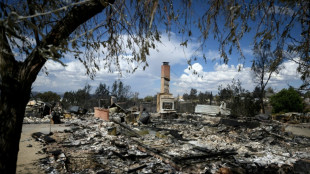 Tens of thousands flee fire near US city of Reno
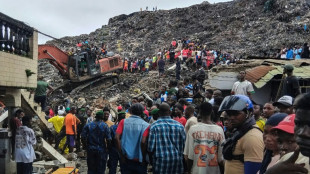 Despair and anger erupt after deadly Guinea landfill collapse

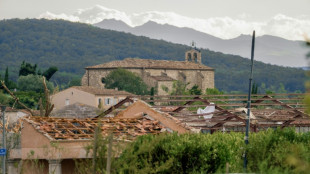 Tornado tears through French village, dozens injured

 Federer looks forward to brief return to Arthur Ashe stadium
 US removes Syria from state sponsor of terrorism list
 Facebook, TikTok promoted Colombian armed groups' content to recruit children: HRW
 Palmeiras agree to sell Allan to Manchester City: source
 US vows 'economic asphyxiation' of Iran with new sanctions
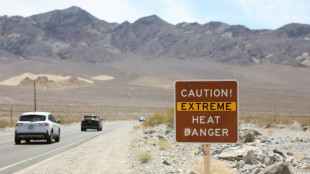 French tourist dies after getting stuck in scorching Death Valley
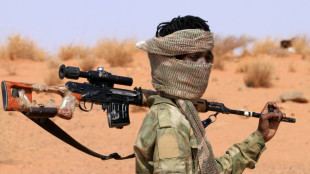 US proposes expanding UN Sudan arms embargo to entire country
 Ceasefire verification mission heads to east DR Congo
 Carse dropped from England squad after nightclub incident
 Empire State Building climbers kiss outside court after viral proposal
 French poll shows Le Pen's biggest challenger may be hard left's Melenchon
 Noosha Aubel: Πόση διοικητική αποτυχία μπορεί να αντέξει ακόμα το Πότσδαμ?

 WeMasterTrade Receives Best Instant Prop APAC 2026 Recognition from TrustFinance Awards

 MH Markets Recognized as Most Transparent Broker at the TrustFinance Awards 2026
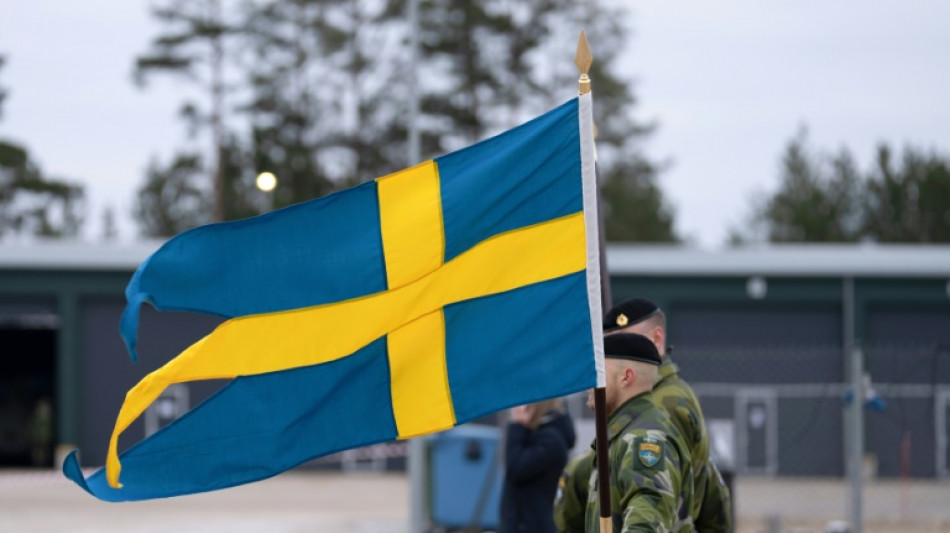
Sweden will increase defence spending by about 300 billion kronor ($30 billion) over the next decade, the prime minister said Wednesday, calling it the nation's biggest rearmament push since the Cold War.
The Nordic country drastically slashed defence spending after the Cold War ended and in the early 2000s, but reversed course following Moscow's 2014 annexation of Crimea.
The aim was to increase defence spending to 3.5 percent of GDP by 2030, up from the current 2.4 percent.
"We have a completely new security situation... and uncertainties will remain for a long time," Prime Minister Ulf Kristersson told reporters, adding that it marks Sweden's "biggest rearmament since the Cold War".
The Nordic country dropped two centuries of military non-alignment and applied for membership in NATO in the wake of Russia's invasion of Ukraine, becoming its 32nd member in March 2024.
Sweden has already decided on investments that are expected to put defence spending at 2.6 percent of GDP in a few years, Kristersson said, noting this already put it above NATO's two-percent spending target.
"That is not enough," Kristersson said. "Our assessment is that NATO and especially European NATO countries need to take major steps in the coming years."
Kristersson said that his country expected that NATO would decide to increase the spending target at an upcoming summit of the alliance in June and was aiming at what it was believed that new target would be.
In March 2022, after Russia's full-fledged invasion of Ukraine, Stockholm announced it would increase spending, aiming to dedicate two percent of GDP to defence "as soon as possible".
While previous defence spending increases have been financed through the country's regular budget, Kristersson said that in order to rearm in such short time it was necessary to borrow funds for defence during a "transitional period".
"Today's announcement can really be summed up as a larger, faster and stronger total defence, both civilian and military," Deputy Prime Minister and Energy Minister Ebba Busch said, speaking alongside Kristersson.
- Long process -
US President Donald Trump has turbocharged a drive for Europe to rearm by casting doubt on Washington's central role in NATO and his overtures towards Russia on Ukraine.
Earlier this month, European Commission chief Ursula von der Leyen unveiled an initiative to help ramp up military budgets that she says could mobilise up to 800 billion euros.
Jacob Westberg, an associate professor at the Swedish Defence University, told AFP that, while 3.5-percent-of-GDP target was a sharp increase compared to the low spending levels seen in the early 2000s, it was still comparable to what was spent in the 1970s.
Westberg noted that Sweden spent over four percent of GDP in the 1950s and in fact at the time had the world's fourth largest air force and eighth largest navy.
"We could mobilise between 600,000 and 800,000 men during the Cold War," Westberg said.
He also added that while 300 billion kroner over a decade was a considerable addition, Sweden's defence budget had already been tripled, to 120 billion a year, in 2024, compared to a decade earlier.
In addition, while funding was returning to previous levels, rebuilding a country's military takes time, Westberg said.
"In some areas, such as buying ammunition or equipment... you can relatively easily convert funds into military capacity," the associate professor said.
But when it comes to the issue of expanding the size of the military, which has been Sweden's ambition since it reintroduced conscription in 2017 after a seven year pause, that is more time-consuming.
"As such, you can't expect these funds to have an immediate effect comparable to the amount of additional funds," Westberg said.
C.Koch--VB