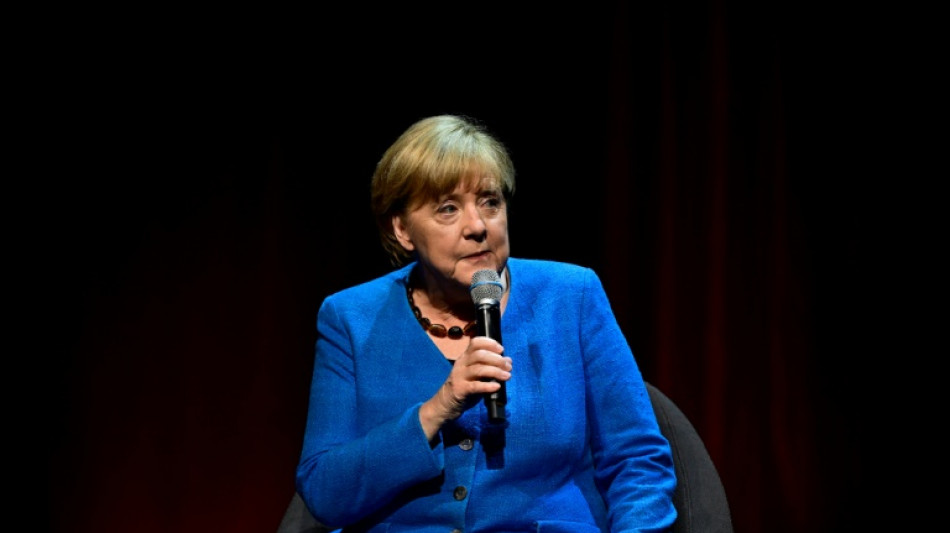
Merkel defends Russia legacy, says 'nothing to apologise for' / Photo: © AFP

 Eighth day of wildfires in Indonesian national park

 One woman confirmed dead in western Canada wildfire
 Energy transition threatens to wipe Dutch village from map
 Self-taught Turkish 'linguist' keeps dead language alive
 Asian stocks track Wall St higher after US job losses ease rate fears
 Western Europe experienced hottest June-July on record: EU monitor
 Shelton sweeps Fonseca to reach Montreal quarter-final
 Who are the main contenders in Zambia's presidential vote?
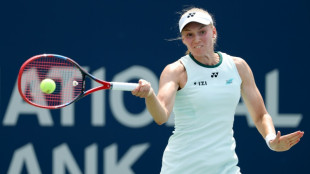 Rybakina survives scare as Gauff, Osaka race into Toronto quarters

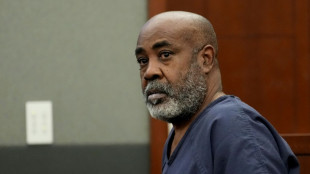 Thirty years on, a trial finally opens in Tupac Shakur's killing
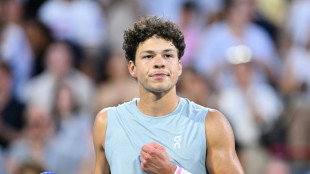 Shelton sweeps Fonseca to reach another Montreal quarter-final
 Brennan captures Wyndham crown for second PGA win
 Rybakina, Gauff advance to Toronto quarter-finals
 Rahm three-peats as LIV Golf season champ while Niemann wins at New York
 Vollering wins Tour de France Femmes after war of nerves
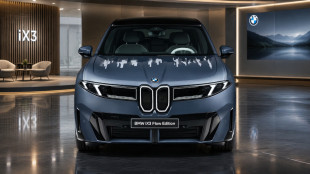
 BMW’s next chapter accelerates with New Class rollout
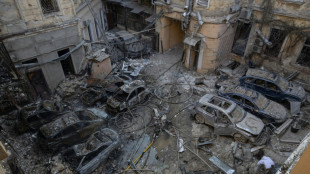 Five dead in new Russia, Ukraine strikes
 PSG sign France full-back Digne from Villa
 Sinner withdraws from Cincinnati Open with knee injury
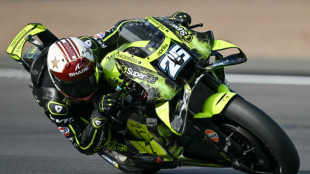
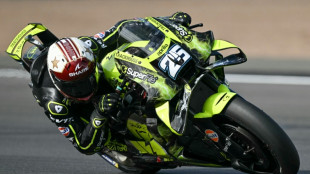 Fernandez's 'perfect' race earns him British MotoGP Grand Prix win
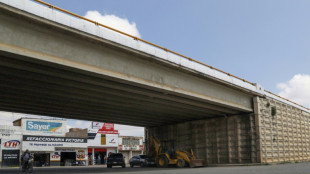
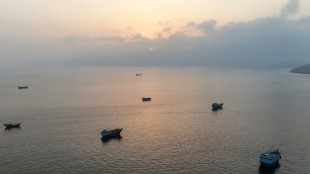 Iran Guards say won't reopen Hormuz without US meeting Tehran's demands
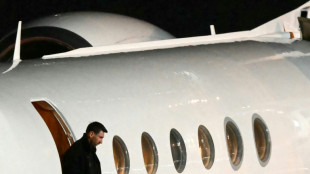
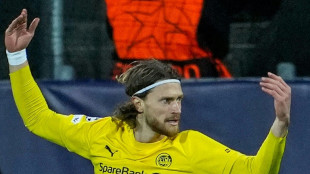 Hogh's hat-trick inspires Celtic to 5-1 victory over Kilmarnock
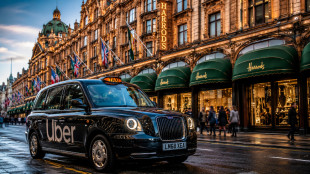 London grants first licences for supervised Uber robotaxis

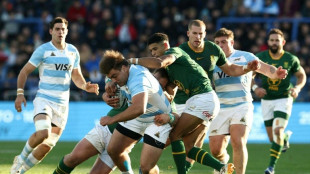 Erasmus hopeful Kolisi hamstring injury not 'too bad'
 Luxury car buyers trade prestige for mainstream value
Former German chancellor Angela Merkel on Tuesday defended her years-long policy of detente towards Moscow, saying she had "nothing to apologise for" even as the Ukraine war casts a pall on her legacy.
In her first major interview since stepping down six months ago, Merkel insisted she had not been naive in her dealings with Russian President Vladimir Putin.
"Diplomacy isn't wrong just because it hasn't worked," the 67-year-old said on stage in a Berlin theatre, in an interview broadcast on the Phoenix news channel.
She recalled her support for economic sanctions against Russia over its 2014 annexation of Crimea, and the German-French efforts to keep the Minsk peace process for Ukraine alive.
"I don't have to blame myself for not trying hard enough," the conservative ex-chancellor said.
"I don't see that I have to say 'that was wrong' and that's why I have nothing to apologise for."
The veteran leader, who frequently met with Putin during her 16 years in power and championed a commerce-driven, pragmatic approach towards Moscow, said the February 24 invasion of Ukraine had marked a "turning point".
- 'Wants to destroy Europe' -
There was "no justification whatsoever" for the "brutal" and illegal war of aggression, she said, adding that Putin had made "a big mistake".
"He wants to destroy Europe," she warned. "It's very important for the European Union to stick together now."
But she batted away criticism that she had been wrong to block Ukraine from joining NATO in 2008, saying it was not ready then and she wanted to avoid "further escalation" with Putin, who was already seething about the military alliance's perceived eastward expansion.
She also insisted that the 2014-2015 Minsk peace pacts, which now lie in tatters, were at the time seen as the best bet to end the fighting in eastern Ukraine between pro-Russian separatists and Ukrainian soldiers.
The peace process "brought some calm" that gave Ukraine an extra seven years to develop as a democracy and strengthen its military, she said, in a nod to Kyiv's much praised resistance against the invading Russian troops.
"The courage and passion with which they are fighting for their country is very impressive," Merkel said, adding she had "the highest respect" for Ukrainian President Volodymyr Zelensky.
But Merkel insisted there was no way to avoid dealing with Putin because Russia, like China, was too big to ignore.
"We have to find a way to co-exist despite all our differences," she said.
- 'Language of strength' -
Confronted with criticism of the "change through trade" policy pushed by successive German governments, Merkel said she was never under the illusion that closer trade links would spur democratic reforms in Russia.
"I never thought Putin would change through trade," she said. But in the absence of a political rapprochement, "having some economic ties makes sense".
Germany became hugely reliant on Russian energy imports on Merkel's watch, and she long irked Western allies with her backing for the controversial Nord Stream 2 pipeline that was to double Russian gas deliveries to Germany.
The project was shelved by current Chancellor Olaf Scholz in late February over Russia's aggression, and Europe's top economy is now joining EU partners in a race to wean itself off Russian oil, gas and coal.
In another major reversal, Scholz has pledged to invest 100 billion euros ($107 billion) in modernising Germany's military, seen as chronically underfunded during the Merkel era.
Scholz, a Social Democrat who served as finance minister in Merkel's last coalition government, has also vowed to spend more than two percent of annual gross domestic product on defence, surpassing NATO's target.
Merkel voiced support for her successor's decisions, saying strength was "the only language Putin understands".
During the interview, Merkel -- who remains hugely popular in Germany -- also offered a rare glimpse into her private life since retiring, spending time on her own on the Baltic Sea coast, taking walks and catching up on her reading.
After 30 years in politics, Merkel said she was enjoying not having to rush from appointment to appointment.
"Personally, I'm doing well," she told the audience, even if she felt sombre about the war in Ukraine, "like so many people".
"I had imagined my time after leaving office a bit differently," Merkel said.
S.Keller--BTB