Poland mulls mines treaty exit, plans military training for men / Photo: © AFP

 How a glacier collapse may have caused Nepal-Tibet disaster

 Harmovest Capital Strengthens Global Financial Services Through Technology and Compliance
 Nvidia to buy AI platform Hugging Face for $12.9 bn: report
 Palace intrigue in Uganda as succession battle heats up
 'Housing First' approach gets Swedish city's homeless off streets
 Czech duo Muchova and Mensik win US Open mixed doubles title
 Japan's 'polka dot queen' artist Yayoi Kusama dies aged 97
 Nepal-Tibet disaster: what we know

 China deploys record number of ships around Taiwan as pressure grows

 Ruthless Bayern target treble as rivals reboot on Bundesliga return

 What experts know so far about Nepal's deadly floods

 UEFA set to withdraw FIFA boycott threat ahead of Champions League draw
 Sumo moves to beat Japan summer heat as temperatures rise
 'Be more honest': Markets crave clarity from cryptic Fed chair
 Climate change leaves its mark on America's largest reservoir
 CIA director warned Russia not to attack NATO members: US media

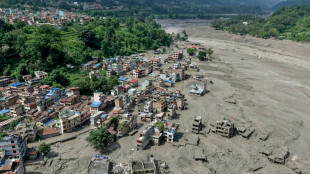 Search for missing after Nepal-Tibet floods kills at least 160
 Meta, US states agree $18 bn settlement in landmark teen safety case

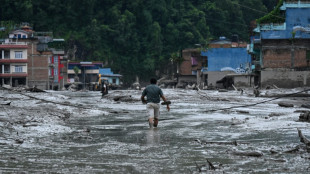 What scientists know so far about Nepal's deadly floods

 US general visits Colombia to discuss war on drugs

 Meta settlement puts social media industry on notice: 'There will be more'
 NFL owners approve record Seahawks sale

 Nigerian armed groups net nearly $6 mn in ransoms: study

 Savio scores on debut as Spurs advance in League Cup

 Mbappe hits treble as Real Madrid thrash Real Sociedad

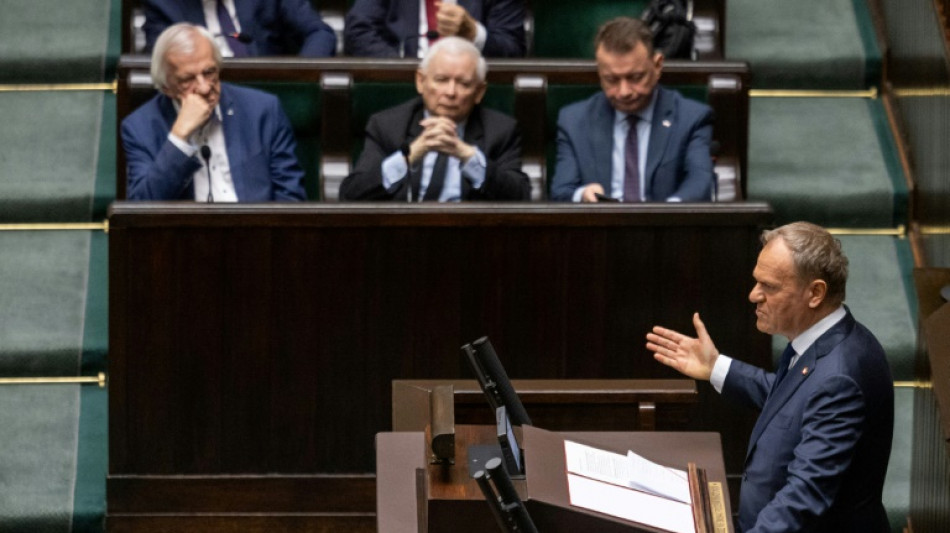
Polish Prime Minister Donald Tusk on Friday announced a slew of measures aimed at boosting his country's defence, including a possible exit from a landmark anti-mines treaty and large-scale military trainings for men.
Poland, a staunch Ukraine ally, has been arming itself heavily as it eyes warily neighbouring Russia and amid calls from US President Donald Trump for European countries to take more responsibility for their own defence.
Warsaw is already far ahead of its allies in terms of military expenditure, aiming to spend 4.7 percent of its GDP on defence this year -- and now it mulls new measures.
"We are facing a very serious race, and it is a race for security," Tusk told the parliament.
"We must be aware that Poland must reach for the most modern possibilities, also related to nuclear weapons and modern unconventional weapons," he said, pledging Poland would use "every available opportunity to increase our defence".
A new military training scheme was intended to be ready by the end of the year "so that every adult man in Poland is trained in case of war," Tusk announced.
The trainings will turn "those who do not join the army to fully-fledged and valuable soldiers during a conflict," Tusk said, adding the goal was to have a military reserve force "adequate to potential threats".
Tusk, who this week has called on Europe to strengthen its defences to win the "arms race" with Moscow, has also backed withdrawing his country from a landmark treaty prohibiting the use of anti-personnel landmines.
"I will recommend a positive opinion for Poland to withdraw from the Ottawa Convention and possibly from the Dublin Convention," Tusk told lawmakers, referring to treaties on anti-personnel mines and on cluster munitions.
"Let's face it: it's not something nice, nothing pleasant. We know that very well," Tusk said.
"The problem is that in our environment, those we may be afraid of, or those who are at war, they all have it," he added.
- Constitutional amendment -
Designed to be buried or hidden on the ground, anti-personnel mines often mutilate victims who are not immediately killed and aid groups have decried their long-term impact on civilians.
The Anti-Personnel Landmines Convention, also known as the Ottawa Convention, prohibits the use, stockpiling, production and transfer of landmines.
At least two NATO countries, Finland and Lithuania -- both also bordering Russia -- have in the past months mulled exiting from the Ottawa Convention.
Lithuania on Thursday has quit the treaty banning cluster bombs citing security concerns over a threat from Moscow, sparking outrage from human rights watchdogs.
Amnesty International called the move "disastrous", while Human Rights Watch said it was "alarming", and the International Committee of the Red Cross (ICRC) warned it "weakens vital protections for civilians".
But Tusk brushed off a potential backlash.
"We will not look at anyone. We will not fear anyone's criticism," he told the parliament.
Earlier on Friday, Polish President Andrzej Duda said he had submitted an amendment to anchor in the constitution a defence spending mark of four percent of GDP, twice NATO's current target.
Poland is far ahead of its allies in terms of military expenditure, aiming to spend 4.7 percent of its GDP on defence this year.
The amendment would be "a guarantee that these expenses will actually be carried out," Duda, allied with the conservative right-wing opposition, told reporters.
Tusk said the proposal should be "analysed very seriously" but did not say if his ruling coalition would back it.
It would need a cross-party support of two-thirds of the lawmakers in the Polish parliament's lower chamber to enter into force.
R.Flueckiger--VB